Marvel vs. Capcom: Infinite key
The combat system is genuinely excellent, but everything built around it - the roster, the visuals, the story - feels like it was assembled under a committee veto. Worth it if the fighting is all you care about.
GamerScout Verdict
Best for budget-conscious new players who want deep tag-fighter mechanics and can forgive a thin, MCU-skewed roster missing the X-Men.
Compare Prices(0 stores)
Loading prices...
We may earn a commission when you buy games through links on this page — at no extra cost to you. It never affects our rankings or verdicts.
Price History
Screenshots & Media
About Marvel vs. Capcom: Infinite key
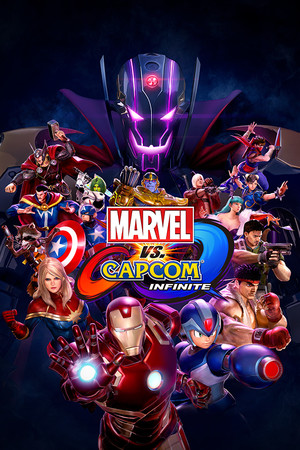
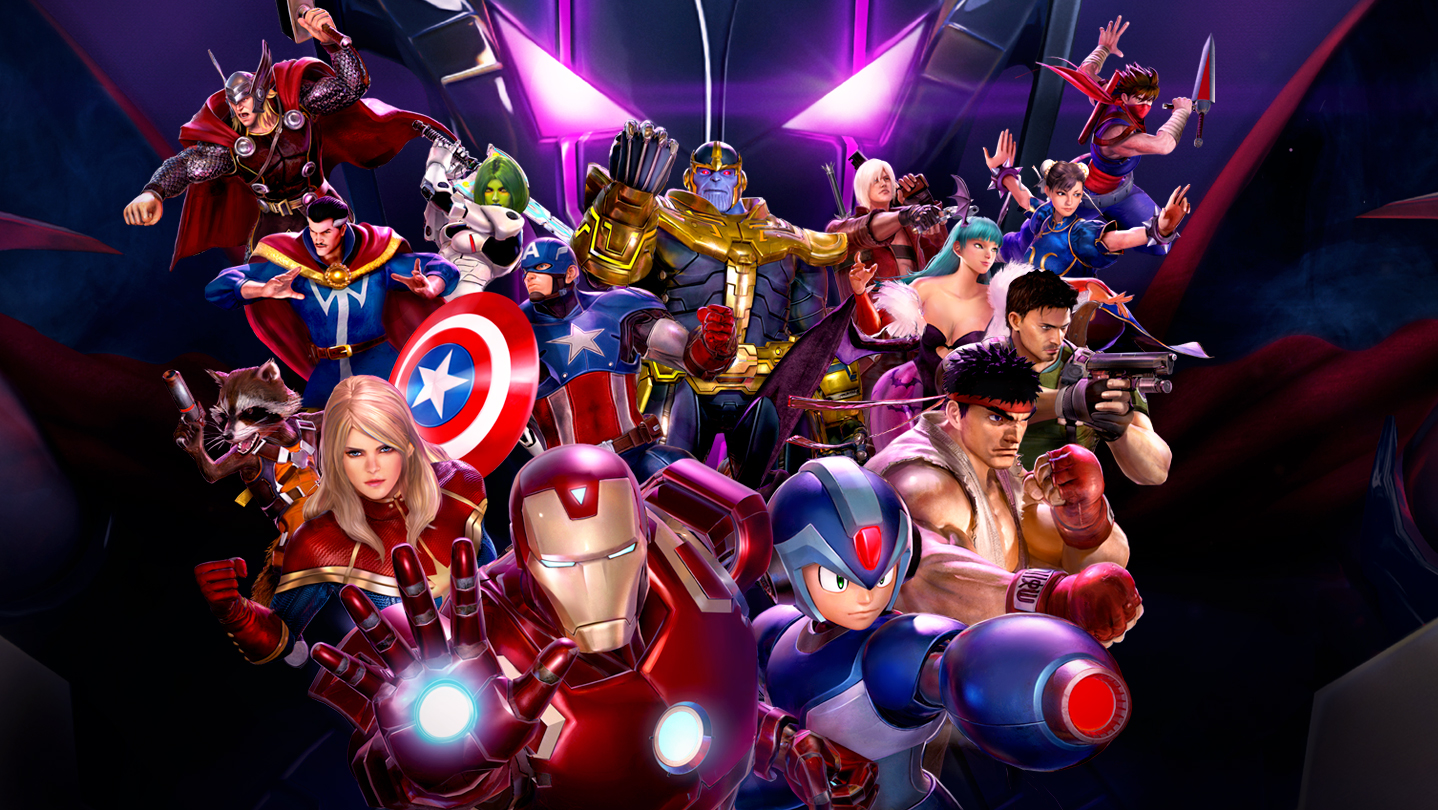
I went into Marvel vs. Capcom: Infinite expecting to be impressed, given the six-year gap since the last entry and the sheer ambition the series has always carried. What I found was one of the strangest cases of a game that nails the most important thing - how it actually plays - while fumbling nearly everything surrounding it. The core fighting system is the real bright spot here. The shift from three-on-three to two-on-two might feel like a downgrade on paper, but the Active Switch mechanic, which lets you swap in your partner mid-combo without losing momentum, adds a genuinely interesting strategic layer. The six Infinity Stones - Space, Time, Mind, Reality, Soul, and Power - are the headline mechanical addition, and they deliver. Each one reshapes how a fight can flow: the Time Stone lets you teleport to cover a slow character's movement weakness, the Soul Stone drains health on contact and can revive a knocked-out partner during its Infinity Storm activation, and the Space Stone can literally cage your opponent. These aren't gimmicks; they push you toward building specific team and stone synergies rather than just defaulting to whoever hits the hardest. Easy auto-combo options also lower the floor for newcomers without gutting the ceiling for competitive players. That said, the problems are hard to ignore once you step back from the training room. The roster of 30 base characters drew immediate and sustained criticism, and the frustration is warranted. Only a handful of fighters were new to the series, and the entire X-Men roster - Wolverine, Magneto, Storm - was cut, widely attributed to Disney's licensing politics around Fox-owned film rights at the time. The Marvel side skews heavily toward MCU movie characters rather than the comics legends fans had expected. Character models across both rosters look rough; some faces are borderline unrecognizable compared to previous entries, and the user interface reads like an unfinished build shipped as the final product. Against contemporaries like Dragon Ball FighterZ, which was releasing around the same window and offered sharper visuals with a similar tag-team structure, Infinite looked especially underdressed. The story mode, framed around Ultron Sigma merging the two universes, has a few fun crossover moments but ultimately feels thin and poorly paced. The DLC situation didn't help the game's reputation either - characters like Black Panther and Monster Hunter, who felt like they belonged in the base game, were locked behind additional purchases. The online side holds up reasonably well with decent matchmaking and stable connections when both players have good signals, but the competitive community largely moved on early, leaving the player pool thinner than you'd hope. Who is this for now, in 2025? Honestly, it's for someone who wants to learn a technically interesting tag fighter at a deep discount and doesn't have the nostalgia baggage that makes the roster omissions sting. The combat has more going on mechanically than its reputation suggests. If you've never touched the series before and just want to throw Doctor Strange and Mega Man X at each other while experimenting with Infinity Stone builds, there's a real game here. Veterans of MvC2 or Ultimate MvC3 who care about roster legacy will almost certainly be disappointed. Go in with adjusted expectations and the fighting can surprise you.

Catch-all
Tags
System Requirements
Minimum
- Processor
- Intel Core i3-4160 @ 3.60GHz
- Memory
- 6 GB RAM
- Graphics
- NVIDIA® GeForce® GTX 480, GTX 570, GTX 670, or better
- DirectX
- Version 11
- Network
- Broadband Internet connection S…
Recommended
- Processor
- Intel Core i5-4690K @3.50GHz or AMD FX-9370 / Intel® Core™ i7-9700 3.0GHz, or better
- Memory
- 8 GB RAM
- Graphics
- NVIDIA® GeForce® GTX…
DLC & Add-ons for Marvel vs. Capcom: Infinite key2
Expansions, DLC packs and add-on content for this game. Click any item to see store offers.
Keep exploring
Community Discussion
Be the first to comment on Marvel vs. Capcom: Infinite key.
Reviews & Ratings
Game Info
- Developer
- Capcom
- Publisher
- CAPCOM Co., Ltd.
- Release Date
- Sep 19, 2017