Half-Life 2: Deathmatch
Twenty-plus years old, still pulling triggers and launching radiators at strangers. Physics-driven arena chaos that no modern live-service shooter has bothered to copy.
Last tracked at €11.78 on 1 Aug 2026, at Eneba
GamerScout Verdict
Worth it for arena-shooter fans who want physics chaos over ranked polish, but go in knowing the server hunt is part of the game.
Compare Prices(0 stores)
Loading prices...
Every store in this table quotes us in euros, so the EUR figure is the price the seller actually set, not our arithmetic — which is why EUR is also the currency we rank in. We only list an offer here when the store gives us its price in euros, so nothing in this table is a number we invented.
Pick USD, PLN, GBP, CAD or AUD in the header and we convert from EUR at the European Central Bank reference rate — converted amounts are prefixed with ~. Your bank or the store may apply a different rate at checkout. We never hide offers based on where you are: everyone sees this whole table.
We may earn a commission when you buy games through links on this page — at no extra cost to you. It never affects our rankings or verdicts.
Price History
Screenshots & Media
About Half-Life 2: Deathmatch
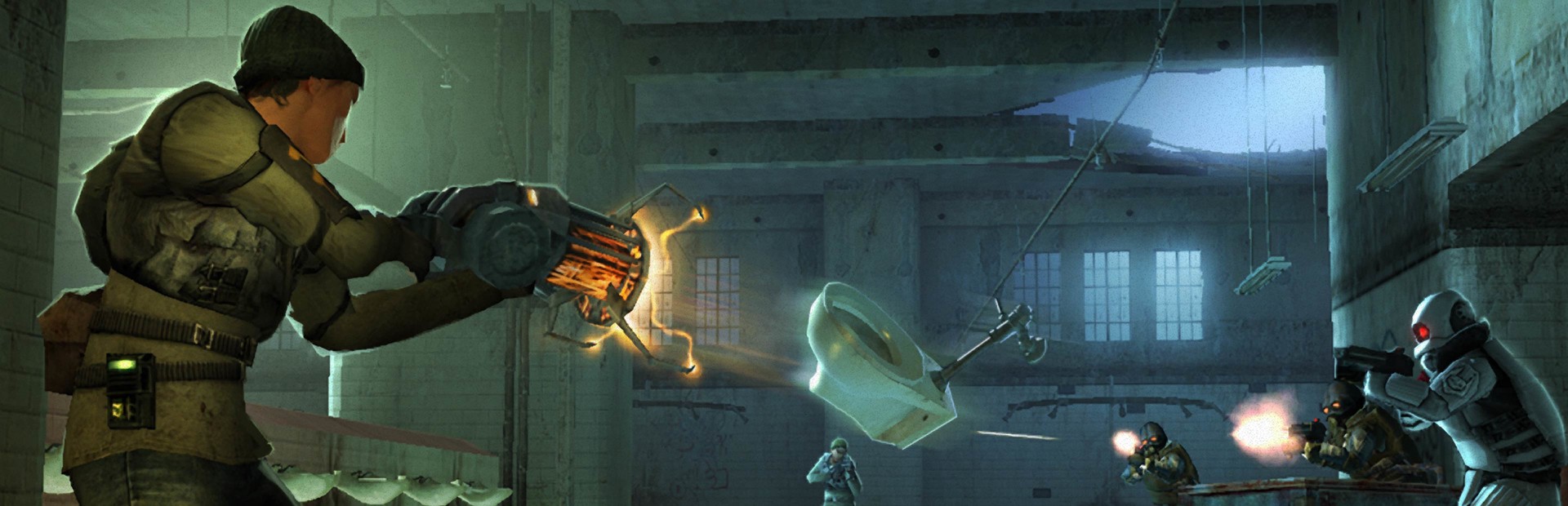
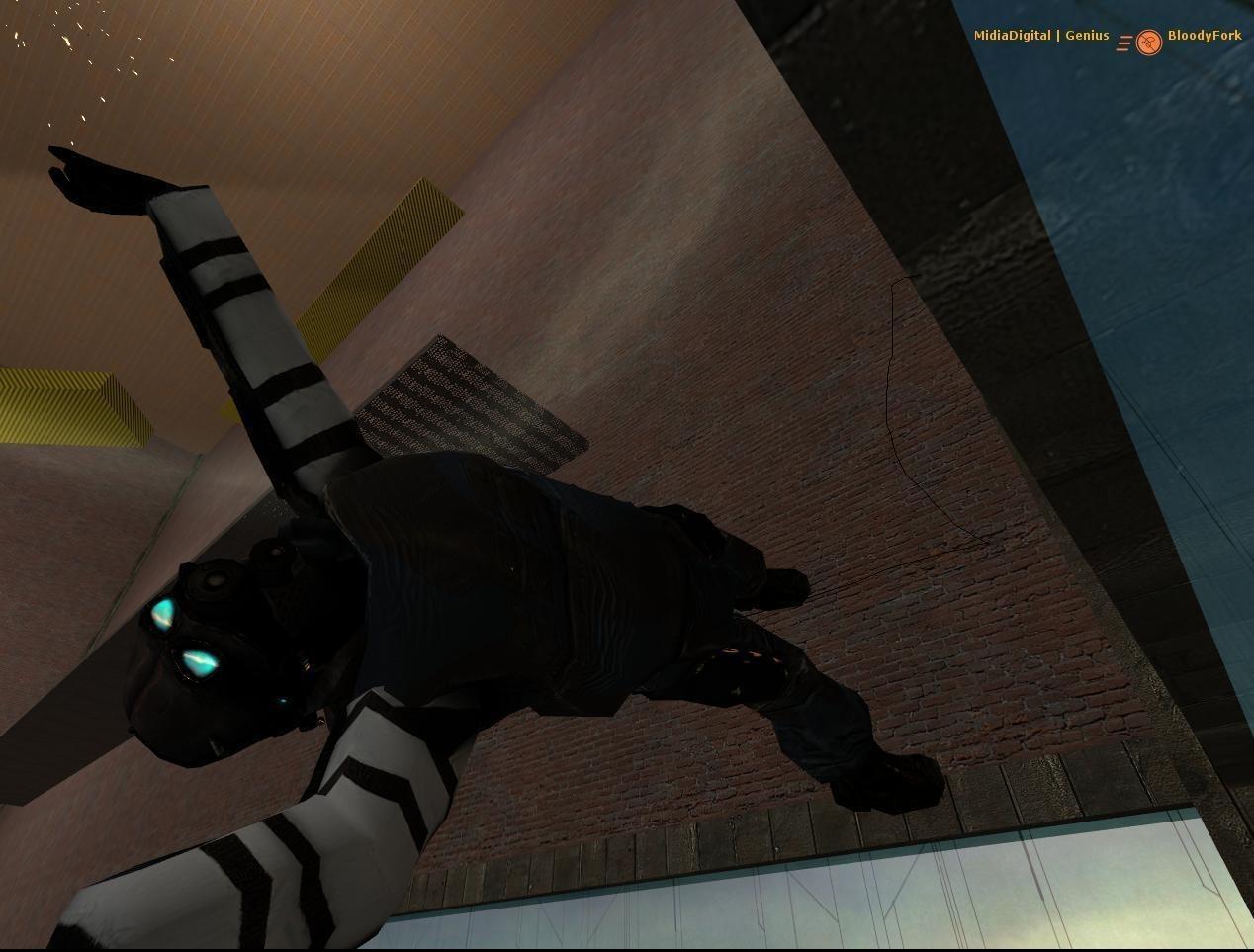
I have spent time in enough arena shooters to know when a game is doing something genuinely different, and HL2:DM is still doing it. Released two weeks after Half-Life 2 itself, this was Valve's answer to players who wanted to weaponise the Source engine's physics against actual humans rather than headcrabs. The gravity gun is the whole pitch: every map is littered with props, barrels, office chairs, and yes, toilets, all of which become projectiles the moment you pick them up. The TTK here is not the tightest you will ever see, but landing a filing cabinet on someone who thought they had you cornered is its own reward. The weapon loadout pulls straight from HL2's single-player roster. You have the SMG, the .357 Magnum, the crossbow, the RPG, AR2, shotgun, and the gravity gun as a constant sidearm. Weapon balance is loose by competitive standards; the Magnum is arguably overtuned, the crowbar is a meme that occasionally works, and the crossbow punishes anyone who stands still long enough to deserve it. There is no ranked ladder, no battle pass, no seasonal anything. What exists is straight deathmatch and a Combine vs. Resistance team deathmatch mode, servers capped at 16 players, and a browser full of community-run rooms that range from vanilla to completely bespoke game modes built on the Source SDK that shipped alongside the game at launch. The technical side is where I have to be honest with you. This was, by multiple accounts, a rush job. There are no hitsounds, no hitmarkers, and the client desync issues that cause phantom props have never been fully patched by Valve. The community has done the heavy lifting, filling gaps with gameplay fixes, custom maps, and server-side plugins. Steam reviews sit at 90 percent positive across a substantial sample, which tells you the playerbase has made peace with the jank. Concurrent player counts hover in the low hundreds day-to-day, spiking around content creator coverage and nostalgia waves. Finding a populated vanilla server takes patience, but they exist. Who is this actually for right now? Not someone looking for a polished competitive shooter with tight netcode and a skill ladder that means something at the top. This is for the player who wants pure arena chaos, who misses the era when physics were a spectacle rather than a simulation checkbox, and who does not mind a server list that requires a little digging. Think of it as closer to Quake deathmatch in spirit but slower and significantly goofier, with the gravity gun replacing rocket jumping as the defining skill expression. The map pool is small but workable, and the custom server scene extends your options considerably once you find a community that fits.

Shooters
Tags
System Requirements
Minimum
1.2 GHz Processor, 256MB RAM, DirectX 7 level graphics card, Windows XP, Mouse, Keyboard, Internet Connection
Recommended
2.4 GHz Processor, 512MB RAM, DirectX 9 level graphics card, Windows XP, Mouse, Key…
Keep exploring
Community Discussion
Be the first to comment on Half-Life 2: Deathmatch.
Reviews & Ratings
No ratings available
Game Info
- Developer
- Valve
- Publisher
- Valve
- Release Date
- Nov 1, 2004