Compare Half-Life prices across trusted key stores and find the best deal. Developed by Valve. Published by Valve. Released on 11/19/1998. Available on PC, Mac, Linux. Genres: Action. Metacritic score: 96/100.

Ninety-six out of a hundred on Metacritic, and it still sits at 96% positive on Steam after nearly 30 years. That number either means something or it doesn't.

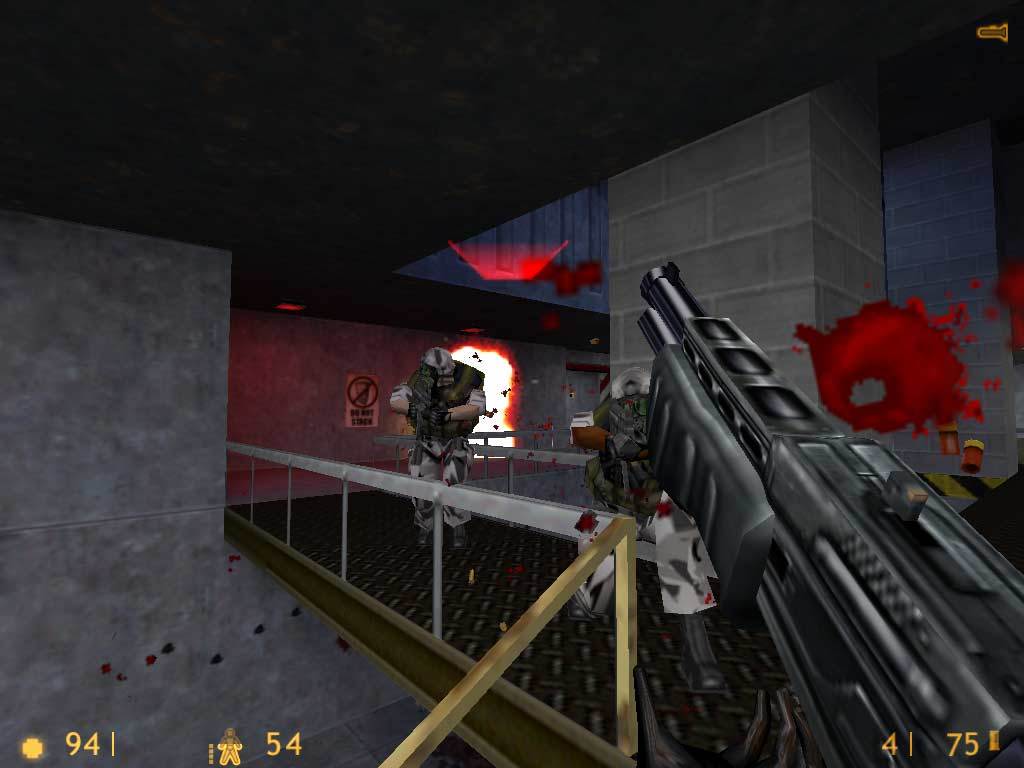
I came into Half-Life the same way a lot of competitive shooter players do: already knowing the folklore, slightly impatient, and fully expecting to tick it off a historical checklist in an afternoon. What I didn't expect was to still be thinking about the pacing days later. This is a seven-to-ten-hour first-person shooter built around a single continuous location, the Black Mesa Research Facility, and Valve's 1998 trick was making that location feel like a living system rather than a backdrop for shooting galleries. You start on a tram, ride through the facility watching robots mop up spills, and do absolutely nothing useful for several minutes. In 1998, that was genuinely radical. The moment the Resonance Cascade hits, everything shifts. Your weapons arsenal is broader than most people remember: crowbar, pistol, shotgun, MP5 with underslung grenade launcher, crossbow, Gauss rifle, rocket launcher, Tau Cannon, and alien weapons including the Hivehand and the Snarks. The gunplay by modern standards is blunt. Spread patterns are wide, there's no ADS, and the mouse acceleration on the GoldSrc engine will immediately irritate anyone running a high-polling-rate setup until they sort it out through the console or a community fix. That friction is real and worth acknowledging. Once it's dialed in, the combat holds up better than its reputation suggests, particularly against the HECU marines, who actively use grenades to flush you out of cover and reposition in teams. Headcrabs and vortigaunts behave differently from the soldiers and keep you switching tactics constantly. The game rationed ammo deliberately, placing weapons in guard posts and first aid kits near hazardous areas rather than lining them up in neat rows, which creates a low-level resource tension that most modern shooters have abandoned. Pacing is the real weapon here. The game mixes straight combat with environmental puzzles, vent crawls, platforming sections, and the occasional horror-adjacent moment where you have almost nothing and something very large is hunting you. Office Complex and Blast Pit are the peak chapters. The Xen endgame is the one section that hasn't aged well, a floaty alien-world gauntlet that feels rushed compared to everything before it. The community has been saying this for twenty-five years and they're right. Get through it. From a multiplayer angle, the built-in deathmatch mode is a curio rather than a reason to buy. The bunny-hop mechanics and LAN-era movement are genuinely fun to mess with for an hour, but active servers are sparse outside of dedicated old-guard communities. The real multiplayer legacy lives in the mods: Counter-Strike was born from this codebase. The 25th Anniversary update in November 2023 patched long-standing bugs, added four new multiplayer maps, brought in 4K support, and included the Uplink demo as a separate campaign. If you're on Steam, you're on the best version of the game that has ever existed. There is also a legacy beta branch if the update broke your favorite mod. The honest answer to "should I play the original or just go straight to Black Mesa" is: play the original first. Black Mesa looks better and rebuilds Xen from scratch, but it's a different game in tone. The original is tighter, nastier, and meaner about supplies. If you're a shooter player who cares about how movement and encounter design evolved into everything from Quake Champions to modern tactical FPS, the original Half-Life is the most direct source material you can touch. The GoldSrc engine is showing its age on the geometry side, but the AI and level design still do things that games today don't bother with. Fred, Scout Team

Half-Life

Half-Life

Nov 19, 1998Valve
GamerScout Says

Ninety-six out of a hundred on Metacritic, and it still sits at 96% positive on Steam after nearly 30 years. That number either means something or it doesn't.

PCMacLinux
Steam Deck VerifiedProtonDB Platinum
Best Price Available
€0.00
at N/A
Historical low: €0.89

GamerScout Verdict

9.6/10

Essential PC shooter history that still plays well once you fix the mouse settings and accept the Xen chapters for what they are.

Compare Prices(0 stores)

Loading prices...

We may earn a commission when you buy games through links on this page — at no extra cost to you. It never affects our rankings or verdicts.

Price History

Historical low
€0.8926 Jun 2026
Keyshops
€0.40€2.09€3.79€5.485 Jun15 Jun25 Jun5 Jul15 Jul
5 Jun — 15 Jul
Create alert

Screenshots & Media

Screenshot

About Half-Life

I came into Half-Life the same way a lot of competitive shooter players do: already knowing the folklore, slightly impatient, and fully expecting to tick it off a historical checklist in an afternoon. What I didn't expect was to still be thinking about the pacing days later. This is a seven-to-ten-hour first-person shooter built around a single continuous location, the Black Mesa Research Facility, and Valve's 1998 trick was making that location feel like a living system rather than a backdrop for shooting galleries. You start on a tram, ride through the facility watching robots mop up spills, and do absolutely nothing useful for several minutes. In 1998, that was genuinely radical. The moment the Resonance Cascade hits, everything shifts. Your weapons arsenal is broader than most people remember: crowbar, pistol, shotgun, MP5 with underslung grenade launcher, crossbow, Gauss rifle, rocket launcher, Tau Cannon, and alien weapons including the Hivehand and the Snarks. The gunplay by modern standards is blunt. Spread patterns are wide, there's no ADS, and the mouse acceleration on the GoldSrc engine will immediately irritate anyone running a high-polling-rate setup until they sort it out through the console or a community fix. That friction is real and worth acknowledging. Once it's dialed in, the combat holds up better than its reputation suggests, particularly against the HECU marines, who actively use grenades to flush you out of cover and reposition in teams. Headcrabs and vortigaunts behave differently from the soldiers and keep you switching tactics constantly. The game rationed ammo deliberately, placing weapons in guard posts and first aid kits near hazardous areas rather than lining them up in neat rows, which creates a low-level resource tension that most modern shooters have abandoned. Pacing is the real weapon here. The game mixes straight combat with environmental puzzles, vent crawls, platforming sections, and the occasional horror-adjacent moment where you have almost nothing and something very large is hunting you. Office Complex and Blast Pit are the peak chapters. The Xen endgame is the one section that hasn't aged well, a floaty alien-world gauntlet that feels rushed compared to everything before it. The community has been saying this for twenty-five years and they're right. Get through it. From a multiplayer angle, the built-in deathmatch mode is a curio rather than a reason to buy. The bunny-hop mechanics and LAN-era movement are genuinely fun to mess with for an hour, but active servers are sparse outside of dedicated old-guard communities. The real multiplayer legacy lives in the mods: Counter-Strike was born from this codebase. The 25th Anniversary update in November 2023 patched long-standing bugs, added four new multiplayer maps, brought in 4K support, and included the Uplink demo as a separate campaign. If you're on Steam, you're on the best version of the game that has ever existed. There is also a legacy beta branch if the update broke your favorite mod. The honest answer to "should I play the original or just go straight to Black Mesa" is: play the original first. Black Mesa looks better and rebuilds Xen from scratch, but it's a different game in tone. The original is tighter, nastier, and meaner about supplies. If you're a shooter player who cares about how movement and encounter design evolved into everything from Quake Champions to modern tactical FPS, the original Half-Life is the most direct source material you can touch. The GoldSrc engine is showing its age on the geometry side, but the AI and level design still do things that games today don't bother with.

Fred
Fred · Scout Team

Shooters

Tags

singleplayermultiplayercontroller-supportcloud-savesBoomer ShooterGoldSrcModdableEnvironmental PuzzleResource ManagementLinear CampaignAI-Driven CombatBunny Hop25th Anniversary Update

System Requirements

Minimum

Processor
1.7 Ghz
Memory
512 MB RAM
Graphics
DirectX 8.1 level Graphics Card (requires support for SSE)
Storage
6500 MB available space

Keep exploring

Community Discussion

Be the first to comment on Half-Life.

Reviews & Ratings

GamerScout
9.6/10
Metacritic
96

Game Info

Developer
Valve
Publisher
Valve
Release Date
Nov 19, 1998

Game Modes

singleplayer
multiplayer

Languages

Audio (7)
EnglishFrenchGermanItalianSpanish - SpainSimplified Chinese+1 more
Subtitles (8)
EnglishFrenchGermanItalianSpanish - SpainSimplified Chinese+2 more

Features

Controller SupportCloud Saves

Price Alert

Get notified when the price drops below your target!

Create Alert

No card? Pay another way

Top up your Steam Wallet or buy crypto with any card — instant delivery, no bank account needed.

More from Valve

Buy smarter: helpful guides

Looking for more? See games like Half-Life →

Frequently asked questions about Half-Life

How much does Half-Life cost?

Half-Life pricing changes often and varies by store, edition and region. The live price table on this page compares the cheapest in-stock offers from trusted key stores like Eneba and Kinguin, so you always see the current lowest price before you buy.

Where can I buy Half-Life cheapest?

Compare Half-Life prices across every verified store in the price table on this page. We list the cheapest in-stock key and store offers, updated regularly, so you always see the best current deal before you buy.

What platforms is Half-Life available on?

Half-Life is available on PC, Mac, Linux.

When was Half-Life released?

Half-Life was released on 19 November 1998.

Who developed Half-Life?

Half-Life was developed by Valve.

Is Half-Life worth buying?

Half-Life holds a Metacritic score of 96/100, making it one of the standout Action titles. See the full reviews, ratings and how-long-to-beat times on this page to decide.