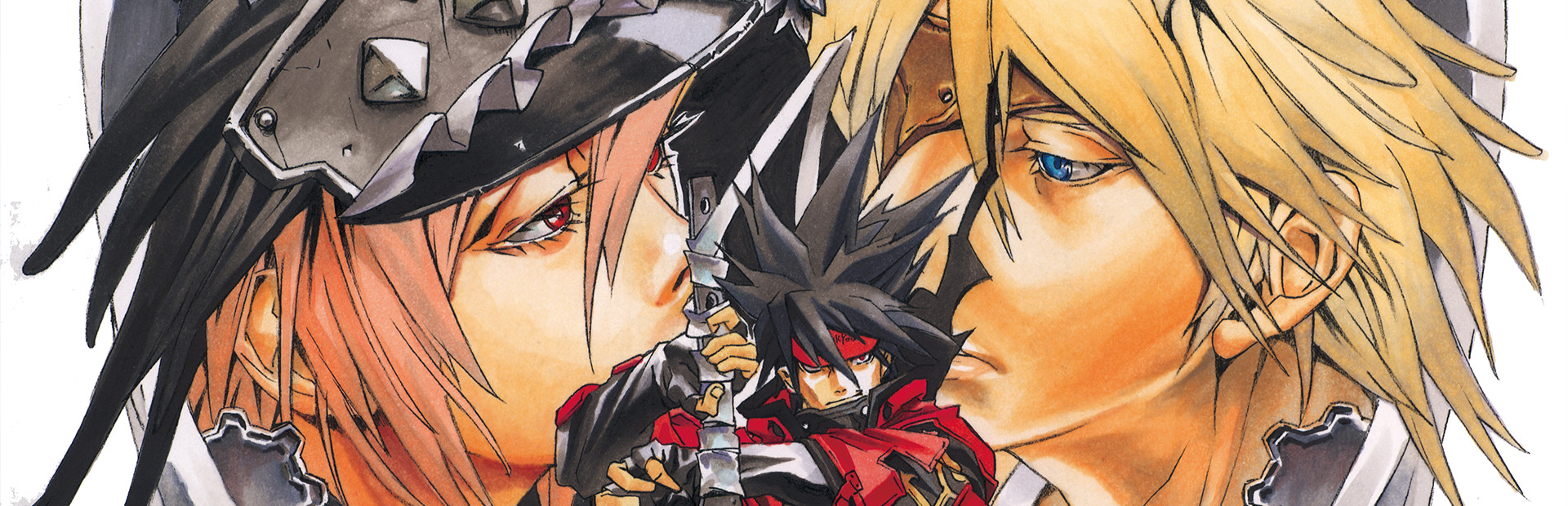
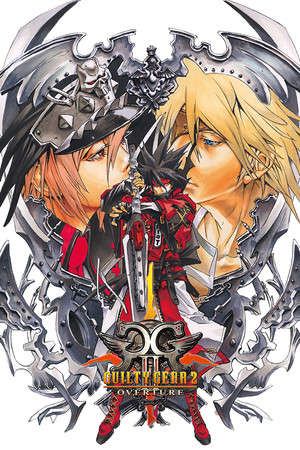
GUILTY GEAR 2 -OVERTURE-
Arc System Works tried to turn Guilty Gear into a Dynasty Warriors-MOBA hybrid. The result is weirder than it sounds, and not entirely wrong for a very specific type of player.
GamerScout Verdict
Worth it for GG lore completionists and patient multiplayer experimenters; solo grinders and ranked-ladder hunters should skip it.
Compare Prices(8 stores)
Every store in this table quotes us in euros, so the EUR figure is the price the seller actually set, not our arithmetic — which is why EUR is also the currency we rank in. We only list an offer here when the store gives us its price in euros, so nothing in this table is a number we invented.
Pick USD, PLN, GBP, CAD or AUD in the header and we convert from EUR at the European Central Bank reference rate — converted amounts are prefixed with ~. Your bank or the store may apply a different rate at checkout. We never hide offers based on where you are: everyone sees this whole table.
We may earn a commission when you buy games through links on this page — at no extra cost to you. It never affects our rankings or verdicts.
Price History
Screenshots & Media
About GUILTY GEAR 2 -OVERTURE-
I went in expecting at least some of the snap and precision that makes the Guilty Gear fighting games addictive, and Overture delivers almost none of it in the way you want. What it delivers instead is something genuinely strange: a third-person action game bolted onto a lightweight real-time strategy layer, where you play a character called a Master, fight through 3D battlefields, capture control points called Ghosts to generate mana, summon servant units from a management screen called the Organ, and race to destroy the enemy's Masterghost before they destroy yours. On paper that is an interesting skeleton. In practice, the action side and the strategy side each undercut the other. The combat is the bigger disappointment if you came here from the fighting games. Sol Badguy still has his Overdrive, his Blast Drive dash, and a handful of special moves tied to Tension gauge management, but translating those inputs into 3D produces something that feels stripped and repetitive fast. The lock-on system works well enough in one-on-one duels between Masters, and those moments, when two players are actually running movement tech and burning Tension on Overdrives, are the closest the game gets to feeling like Guilty Gear. Everything around those moments is button-mashing attrition. The single-player campaign makes this especially obvious: the AI is passive enough that you can ignore the servant system entirely and brute-force most missions by capping Ghosts quickly and rushing the enemy base. There is no mechanical pressure forcing you to use the depth that is theoretically there. The servant system itself is the game's most interesting and most frustrating feature at the same time. Each Master has a distinct servant roster with different roles: Sol's units are aggressive frontliners, Valentine's lean supportive and require a more deliberate playstyle. Directing those units is clunky at best. They have autonomous pathing, but manually repositioning them involves picking them up into your inventory in a system that reviewers and players alike have described as uncomfortable to use under pressure. When it works in multiplayer, it creates genuine layered decisions: do you push your Master into a duel, or hold back and spend mana on heavy infantry to break a barrier your opponent is using to stall? That tension is real. The single-player campaign never forces you to feel it. The PC port, released in 2016, is a locked resolution situation without community fixes, though PCGamingWiki documents some options including resolution scaling, anisotropic filtering up to 16x, and an optional cel shading shader that gets the game closer to Arc's signature visual identity. The online lobby currently only supports Player Match with no ranked mode. That matters a lot: the playerbase is small and dedicated rather than broad, which means finding a match takes patience, and there is no ladder to climb. If you are buying this for competitive online play, set your expectations accordingly. The soundtrack, pulled from Daisuke Ishiwatari's usual catalog, is the one area that needs no asterisk. It is excellent throughout. Overture sits in a strange position in the library. It is the canonical bridge between the old Guilty Gear timeline and Xrd, it introduces Sin as a playable character, and it contains lore that makes Xrd's story land harder. If you care about the plot, it has real value. As a game to play with a second person locally or online against someone who also knows what they are doing, it occasionally delivers the chaotic hybrid experience it promises. Solo, it outstays its welcome in a few hours. Ranked-ladder hunters and anyone hoping for the precision of Strive or Xrd will leave cold.
Shooters
Tags
System Requirements
Minimum
- OS
- Windows 7SP2 / 8.1 / 10
- Memory
- 2 GB RAM
- DirectX
- Version 9.0c
- Network
- Broadband Internet connection
- Storage
- 3 GB available space
- Graphics
- GeForce 9800GT and above
- Processor
- Intel Core 2 Quad, 2.8GHz and above
Recommended
- OS
- Windows 7SP2 / 8.1 / 10
- Memory
- 2 GB RAM
- DirectX
- Version 9.0c
- Network
- Broadband Internet connection
- Storage
- 3 GB available space
- Graphics
- GeForce GTX 560 / Radeon HD 7770 and above
- Processor
- Intel Core i5 (Quad Core), 3.0GHz and above
Keep exploring
Community Discussion
Be the first to comment on GUILTY GEAR 2 -OVERTURE-.
Reviews & Ratings
No ratings available
Game Info
- Developer
- Arc System Works
- Publisher
- Arc System Works
- Release Date
- Mar 31, 2016