Garshasp: Temple of the Dragon
Persian mythology deserves better than this, but curious players willing to overlook rough edges may find a short, flawed hack-and-slash with a cultural identity no other game quite replicates.
GamerScout Verdict
Only for players fascinated by Persian mythology who can accept a sub-hour, bug-prone hack-and-slash at a steep discount.
Compare Prices(5 stores)
Every store in this table quotes us in euros, so the EUR figure is the price the seller actually set, not our arithmetic — which is why EUR is also the currency we rank in. We only list an offer here when the store gives us its price in euros, so nothing in this table is a number we invented.
Pick USD, PLN, GBP, CAD or AUD in the header and we convert from EUR at the European Central Bank reference rate — converted amounts are prefixed with ~. Your bank or the store may apply a different rate at checkout. We never hide offers based on where you are: everyone sees this whole table.
We may earn a commission when you buy games through links on this page — at no extra cost to you. It never affects our rankings or verdicts.
Price History
Screenshots & Media
About Garshasp: Temple of the Dragon
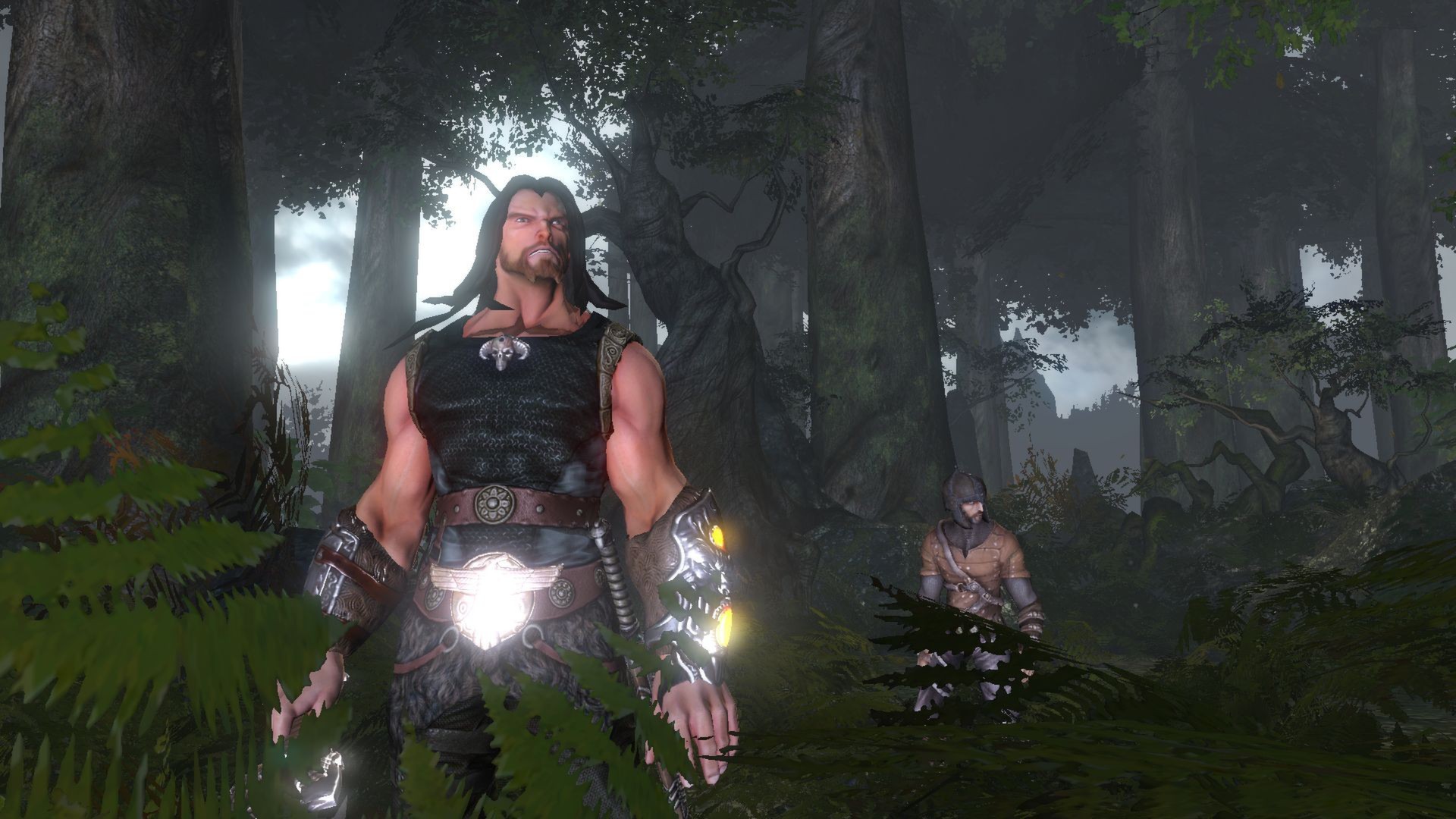
I want to be honest with you the way a friend would be before you spend any money: the ambition here is real, and the subject matter is genuinely rare, but the execution is rough in ways that matter. Dead Mage, a small Iranian indie studio, set out to build a God of War-style hack-and-slash rooted in Persian mythology, drawing on figures and creatures from ancient literature that most Western players have never encountered. That premise alone earns the game a seat at the table. The Deevs, the cursed lands of Khunirath, the shadow of Azhi Dahaka looming over the story - there is a world here that feels different from the usual Greek-or-Norse rotation, and that difference is worth something. Unfortunately, Temple of the Dragon is a prequel expansion that lands shorter and rougher than the original Monster Slayer. The whole thing can be cleared in under an hour on a harder difficulty, and the structure is essentially a single location with one boss waiting at the end. Combat is built around sword combo chains and crowd-control timing, but the player unlocks most of those moves almost immediately, leaving little sense of progression across an already brief runtime. The camera, fixed and often poorly angled, works against you during platforming sections and can outright obscure incoming threats. Checkpoints have been reported to occasionally drop players outside of objective areas with no exit, which in a linear game is a serious problem. The voice acting sits in a strange liminal zone - flat delivery crossing into unintentional charm in places, broken English one-liners from Garshasp that hover somewhere between endearing and distracting. Sound design overall does not do much to build atmosphere, which stings for a game that is trying to conjure a mythological world from scratch. Stability is also a documented concern: lighting bugs that plunge the screen into total darkness, crashes on launch for some users, and general performance inconsistency that suggests the game needed more time in the oven. Steam's community has given it a mostly negative rating across roughly 80 reviews, with only about a quarter of players recommending it. I find it hard to argue against that consensus, but I do want to put on record what does exist here: a distinct cultural lens, creature designs drawn from Persian folklore that feel genuinely foreign and interesting, and a studio that was clearly swinging for something larger than its resources could fully support. If you played Monster Slayer and want a brief, imperfect coda, Temple of the Dragon is exactly that - a coda, not a full piece. For anyone else, the combination of bugs, brevity, and camera frustrations makes it a hard sell outside of a deep discount with very calibrated expectations.

Indie & narrative
Tags
System Requirements
Minimum
- OS
- Windows XP, Vista, 7
- Sound
- DirectX Compatible
- Memory
- 2 GB RAM
- Graphics
- 256 M RAM, Nvidia GeForce 6600 series, ATI radeon X1300
- DirectX®
- 9.0c
- Processor
- Intel P4 2.0GHz, AMD Athlon 64 3000+
- Hard Drive
- 2 GB HD space
Keep exploring
Community Discussion
Be the first to comment on Garshasp: Temple of the Dragon.
Reviews & Ratings
No ratings available
Game Info
- Developer
- Dead Mage
- Publisher
- Digital Dragon
- Release Date
- Sep 24, 2012