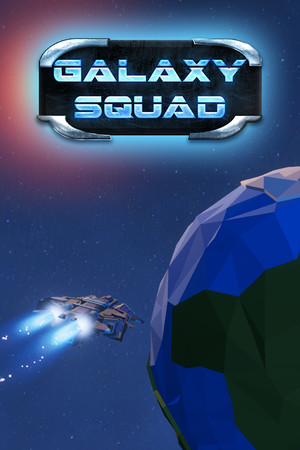
Galaxy Squad
If your ideal Friday night is FTL's star-map anxiety fused with XCOM's cover-based squad tactics, Galaxy Squad scratches that itch on a shoestring budget - rough edges and all.
GamerScout Verdict
Worth it for FTL-and-XCOM fans who can tolerate indie roughness - everyone else should try the genre heavyweights first.
Compare Prices(6 stores)
Every store in this table quotes us in euros, so the EUR figure is the price the seller actually set, not our arithmetic — which is why EUR is also the currency we rank in. We only list an offer here when the store gives us its price in euros, so nothing in this table is a number we invented.
Pick USD, PLN, GBP, CAD or AUD in the header and we convert from EUR at the European Central Bank reference rate — converted amounts are prefixed with ~. Your bank or the store may apply a different rate at checkout. We never hide offers based on where you are: everyone sees this whole table.
We may earn a commission when you buy games through links on this page — at no extra cost to you. It never affects our rankings or verdicts.
Price History
Screenshots & Media
About Galaxy Squad
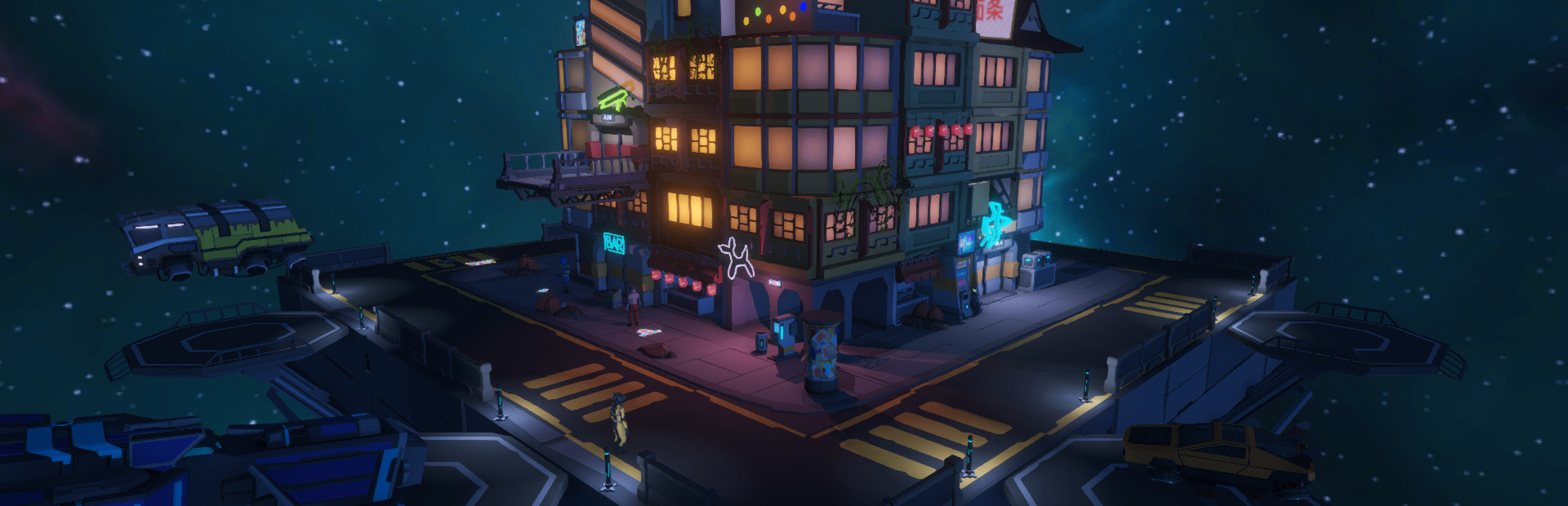
I've spent enough time with tactical roguelikes to spot the ones that understand what makes the genre click, and Galaxy Squad sits in an uncomfortable but interesting middle ground. The concept is genuinely compelling: a node-based galaxy map where a pursuing Federation force blocks off your retreat - think FTL's ticking-clock pressure - feeds directly into ground-level turn-based squad combat that borrows the two-action system, high/low cover, and class roles (Assault, Support, Shooter) straight from the XCOM playbook. On paper, that layered structure is exactly what a genre fan wants. In practice, it delivers about sixty percent of that promise. The strategic layer works better than critics give it credit for. You pilot your ship from node to node, picking up quests at space stations, scavenging derelict vessels, managing crew health and equipment between fights, and occasionally triggering branching story events. The pressure of the Federation pursuit means you cannot grind every encounter - you have to commit to a route and live with the consequences. That is legitimate roguelite design tension. The ship also carries one-time tactical support options, like an area-effect strike or a single crewmember revival, which add a thin but real meta-resource layer on top of the combat. Randomly generated characters can be built toward different roles, and loot upgrades with modifications keep the gear loop turning across a run. The combat is where the gap between ambition and execution becomes hardest to ignore. Map design ranges from functional to flat-out poor - some arenas drop a small squad against ten enemies in open ground with no cover at all, which tips the difficulty from punishing into arbitrary. Enemy AI is passive, frequently leaving hostiles standing in the open rather than seeking cover, which means the tactical depth you would expect from the XCOM comparison simply does not materialise at the same level. Difficulty across a run swings erratically: early encounters feel trivial, then a random node can end a campaign in two turns. Steam reviewers have consistently flagged the same issues since launch - unbalanced encounter scaling, sparse ability trees, and writing that shows the single-developer roots clearly (non-native English grammar errors appear throughout quest text). That said, Galaxy Squad has held a mostly positive rating across several hundred Steam reviews, and the reason is straightforward: for players who specifically want FTL-style strategic movement married to squad tactics, there are very few alternatives at this price point. A full run takes roughly six to seven hours, branching story paths give it mild replayability, and a Glory unlock system opens new ships, weapons, and modes after each run. None of the unlockables patch the rougher design problems, but they keep the loop alive. Linux support is a genuine plus for that audience. Newcomers to the genre should be warned: the tutorial is minimal and the difficulty curve is inconsistent, so expect to lose your first couple of runs to systems the game does not explain clearly. Veterans of FTL and XCOM 2 will calibrate faster and find more to like here than the surface jank suggests.

Strategy & simulation
Tags
System Requirements
Minimum
- OS
- Windows® 8 (32/64-bit)/Windows® 7 (32/64-bit)/Vista
- Memory
- 2 GB RAM
- DirectX
- Version 11
- Storage
- 1 GB available space
- Graphics
- 128MB Video Card with OpenGL support
- Processor
- Dual Core Processor
Keep exploring
Community Discussion
Be the first to comment on Galaxy Squad.
Reviews & Ratings
No ratings available
Game Info
- Developer
- Kazakov Oleg
- Publisher
- Kazakov Oleg
- Release Date
- Jul 15, 2019