Deadlight (Director's Cut)
A four-to-five-hour zombie platformer that looks better than it plays - worth a look if you never caught it in 2012, but its age shows in every sticky ledge and clunky axe swing.
GamerScout Verdict
Best for first-time players who can tolerate sluggish controls in exchange for one of the more atmospheric zombie platformers around.
Compare Prices(4 stores)
Every store in this table quotes us in euros, so the EUR figure is the price the seller actually set, not our arithmetic — which is why EUR is also the currency we rank in. We only list an offer here when the store gives us its price in euros, so nothing in this table is a number we invented.
Pick USD, PLN, GBP, CAD or AUD in the header and we convert from EUR at the European Central Bank reference rate — converted amounts are prefixed with ~. Your bank or the store may apply a different rate at checkout. We never hide offers based on where you are: everyone sees this whole table.
We may earn a commission when you buy games through links on this page — at no extra cost to you. It never affects our rankings or verdicts.
Price History
Screenshots & Media
About Deadlight (Director's Cut)
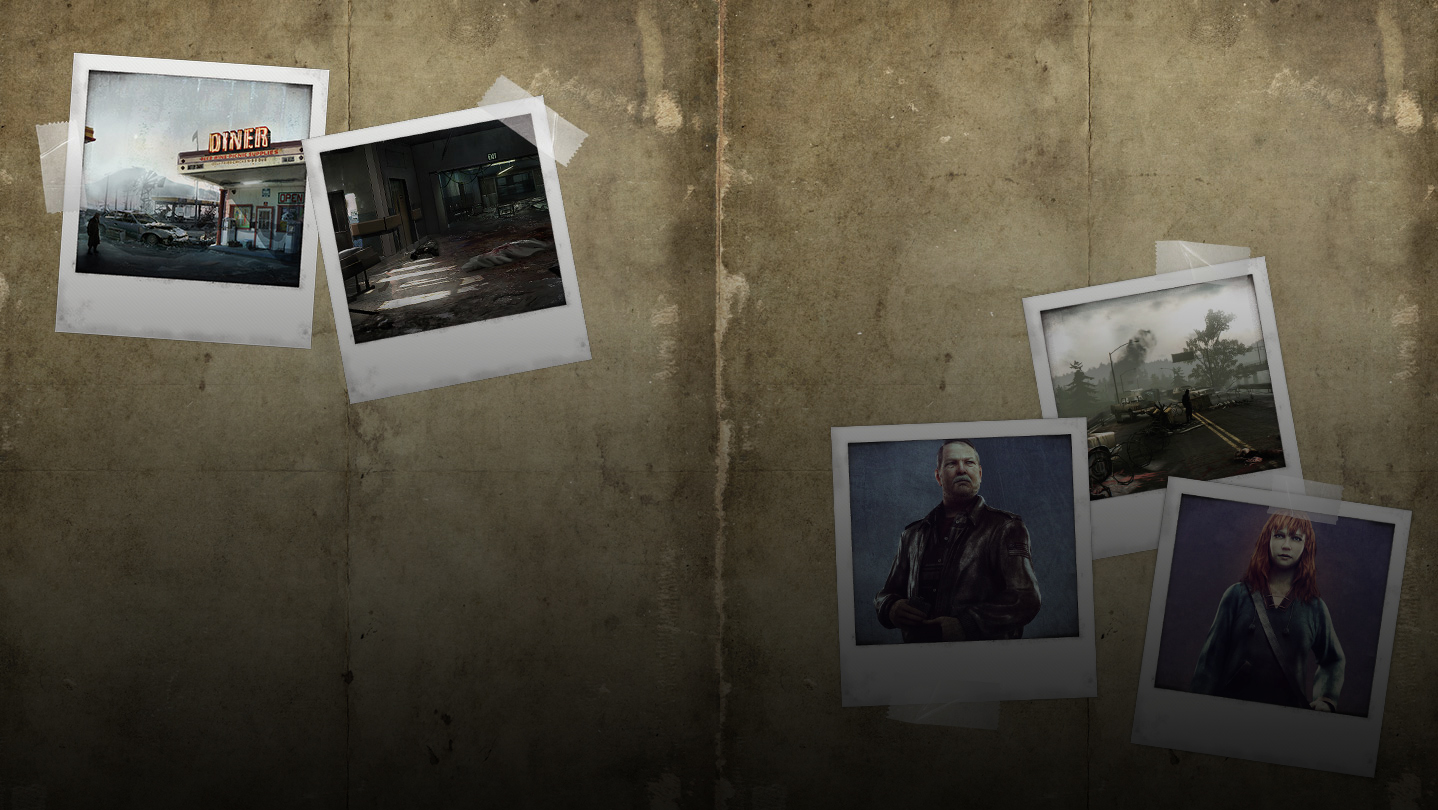
My first honest reaction to Deadlight: Director's Cut was that someone had bottled the atmosphere of a great game and poured it into a merely okay one. The silhouetted foreground action played against a living, lit background is genuinely striking - crumbling 1986 Seattle rendered in a style that sits somewhere between Limbo and a gritty graphic novel. As park ranger Randall Wayne searching for his missing wife and daughter, you move through gutted hospitals, raider-held stadiums, booby-trapped sewers, and burning street-level sprawl, and almost every screen looks like it belongs on a poster. That part Tequila Works absolutely nailed. The trouble is that atmosphere only carries a game so far when the controls keep fighting you. The stamina system - Randall has limited energy for running, jumping, climbing, and swinging his axe - is a genuinely smart idea that makes every escape feel desperate. But that same momentum-heavy movement also means edge detection regularly misfires, sending you up and down the same ledge instead of forward, or dropping you into a waiting horde because the input timing is a coin flip. The slingshot, used to trigger car alarms and distract shadows, is a bright spot: using environmental noise to herd undead away from your path is exactly the kind of low-resource problem-solving that fits the world. The axe, however, is wildly inconsistent - sometimes it staggers, sometimes it decapitates, sometimes it does almost nothing, and you are never quite sure which outcome you will get. The three-act campaign runs around four to five hours, and that brevity cuts both ways. On the positive side, the pacing rarely overstays its welcome and the level variety stays fresh across rooftops, underground passages, and open streets. The early chapters, where you are largely unarmed and rely purely on movement and environmental reads, are the best the game has to offer - tense, scrappy, occasionally exhilarating when a chase sequence clicks and you nail every vault and slide. The back half pivots toward more combat-heavy encounters and the weaknesses in the fighting system become harder to ignore. The story, meanwhile, commits to zombie-fiction boilerplate: journal entries, fractured survivor groups, and a protagonist who oscillates between brooding and shouting. There is a twist that lands with some genuine weight, but the road to it is too short to build the emotional investment it needs. The Director's Cut adds a Survival Arena mode set inside a hospital, asking you to hold off zombie waves for as long as possible. In theory that sounds like a fine way to extend the package. In practice, it spotlights the combat system at its worst - melee is unreliable, ranged ammo is scarce, and the single small map wears out its welcome fast. Nightmare difficulty, unlocked after completing the story, is there for masochists and completionists. Collectible diary pages and retro handheld minigames round out the extras, though none of it adds up to a meaningfully expanded experience over the 2012 original. If you already played Deadlight, there is genuinely little reason to return. If you have never touched it and enjoy atmospheric 2D platformers in the Flashback or Another World mold, the visual design and its best setpiece moments make it a reasonable way to spend an evening at the right price.

Catch-all
Tags
System Requirements
Minimum
- Processor
- Intel Core 2 Duo 2, 4GHz+ or better
- Memory
- 2 GB RAM
- Graphics
- 512MB video card with Shader model 3.0 support
- DirectX
- Version 9.0c
- Storage
- 5 GB available space Sound Card…
Recommended
- Processor
- Intel Core 2 Duo 2,6GHz+ or better
- Memory
- 2 GB RAM
- Graphics
- Nvidia GeForce GTX 550Ti or better, AMD Radeon HD7750 or better
- DirectX
- Version 9.0c St…
Keep exploring
Community Discussion
Be the first to comment on Deadlight (Director's Cut).
Reviews & Ratings
Game Info
- Developer
- Tequila Works
- Publisher
- Koch Media
- Release Date
- Jun 21, 2016