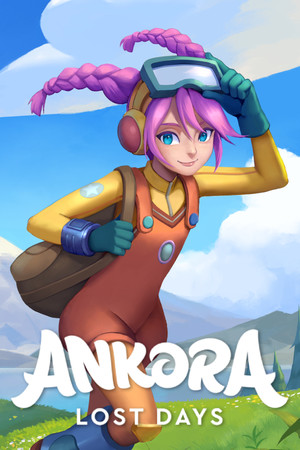
Ankora: Lost Days
Quiet, grid-based survival from the Chibig universe that asks you to reshape a planet one shovel-swing at a time. Best suited for players who find cozy pacing therapeutic rather than boring.
GamerScout Verdict
Worth it for cozy-puzzle fans and Chibig series followers; too slow and thin for anyone expecting a real survival challenge.
Compare Prices(6 stores)
Every store in this table quotes us in euros, so the EUR figure is the price the seller actually set, not our arithmetic — which is why EUR is also the currency we rank in. We only list an offer here when the store gives us its price in euros, so nothing in this table is a number we invented.
Pick USD, PLN, GBP, CAD or AUD in the header and we convert from EUR at the European Central Bank reference rate — converted amounts are prefixed with ~. Your bank or the store may apply a different rate at checkout. We never hide offers based on where you are: everyone sees this whole table.
We may earn a commission when you buy games through links on this page — at no extra cost to you. It never affects our rankings or verdicts.
Price History
Screenshots & Media
About Ankora: Lost Days
I came into Ankora: Lost Days expecting something close to Summer in Mara's breezy island life, and what I found instead was a stranger, more puzzle-brained thing: a grid-locked alien world where movement itself is the main mechanic. Junior Ranger Mun crash-lands on the planet Ankora, loses her ship parts across a patchwork map of over 100 block-shaped zones, and spends her days figuring out how to physically reach each one. Because Mun cannot jump, traversal is solved through terraforming. You equip a shovel, manually raise or lower the soil underfoot, build wooden stairs out of lumber you chop yourself, and lay bridges over water using resources gathered nearby. It is one of the more unusual ideas in the cozy-survival genre, and for a certain type of player it clicks into something genuinely meditative. The tool set is small but purposeful. The hammer constructs structures, the shovel reshapes terrain, the bow and spike handle the modest combat, and the workbench plus kitchen let you combine gathered materials into new gear and food. Levelling happens passively as you perform actions, which means crafting teaches you new recipes and combat slowly gets less clunky over time. Survival needs are gentle: manage hunger with foraged acorns or cooked meals at a campfire, and keep a tent in your pack for sleeping through the dangerous nights. The game never turns into a sprint to stay alive. It is closer to a low-stakes problem-solving loop, each grid square a small spatial puzzle about how to exit north, south, east, or west. The world earns real warmth from its art direction. Chibig draws visual inspiration from Ghibli productions like Nausicaa of the Valley of the Wind, and the palette is bright, layered across biomes that shift from lush forests and open meadows to snowy mountains and desert tiles. The orchestral soundtrack matches that sensibility: airy, unhurried, pleasant without being repetitive. Where the visual craft wobbles is in consistency. Character art across menus, cutscenes, status gauges, and in-world sprites appears drawn by different hands following different briefs, which gently undermines the Ghibli-referencing ambition. The honest frictions are worth naming. The terraforming controls, especially without a gamepad, can feel more fiddly than the puzzles deserve. The map has no dedicated button shortcut, which becomes genuinely frustrating in a game that asks you to navigate constantly. The story involving the Ank clans and their ancient conflict is present but thin, and the main cast rarely rises above functional. Backtracking accumulates, and a subset of players will find the resource loops repetitive well before the credits roll. Critics were split: some found the craft-and-traverse loop hypnotic, others felt the survival label raised expectations the game simply was not designed to meet. What Ankora: Lost Days does best is occupy a niche almost nothing else does. It is not a farming sim, not an action RPG, not a straight survival game. It is a quiet spatial puzzler dressed in alien-nature aesthetics, aimed squarely at players who find joy in methodically filling in a fog-of-war map one wooden staircase at a time. Fans of the Chibig universe who want to meet a younger Mun before the events of Deiland and Summer in Mara will get the most out of it. Everyone else should try the free Prologue on Steam first and ask honestly whether the shovel loop sounds fun or exhausting.

Indie & narrative
Tags
System Requirements
Minimum
- OS
- Windows 7
- Memory
- 4 GB RAM
- DirectX
- Version 11
- Graphics
- NVIDIA GeForce GT 430/ AMD Radeon R5 240
- Processor
- Intel Celeron G1820 / AMD Athlon II X3 455
Recommended
- OS
- Windows 7
- Memory
- 4 GB RAM
- DirectX
- Version 11
- Graphics
- NVIDIA GeForce GTX 660 / AMD Radeon HD 7850
- Processor
- Intel Core i5
Keep exploring
Community Discussion
Be the first to comment on Ankora: Lost Days.
Reviews & Ratings
No ratings available
Game Info
- Developer
- Chibig
- Publisher
- Chibig
- Release Date
- Sep 16, 2022