The Blind Prophet
Hand-drawn demon-hunting across 99 panels of dark European city art, with a Metacritic of 68 that undersells the atmosphere and oversells the gameplay depth.
Veredicto de GamerScout
Best for graphic novel fans and point-and-click returnees who can forgive a rough translation in exchange for one of the genre's most striking art directions.
Comparar precios(6 tiendas)
Todas las tiendas de esta tabla nos dan el precio en euros, así que la cifra en EUR es el precio que fijó el vendedor, no un cálculo nuestro, y por eso EUR es también la moneda en la que calculamos el ranking. Solo incluimos aquí una oferta cuando la tienda nos da su precio en euros, de modo que ninguna cifra de esta tabla es inventada por nosotros.
Elige USD, PLN, GBP, CAD o AUD en la cabecera y convertimos desde EUR con el tipo de cambio de referencia del Banco Central Europeo — los importes convertidos llevan el prefijo ~. Tu banco o la tienda pueden aplicar un tipo distinto al pagar. Nunca ocultamos ofertas según dónde estés: todo el mundo ve esta tabla completa.
We may earn a commission when you buy games through links on this page — at no extra cost to you. It never affects our rankings or verdicts.
Historial de precios
Capturas y multimedia
Acerca de The Blind Prophet
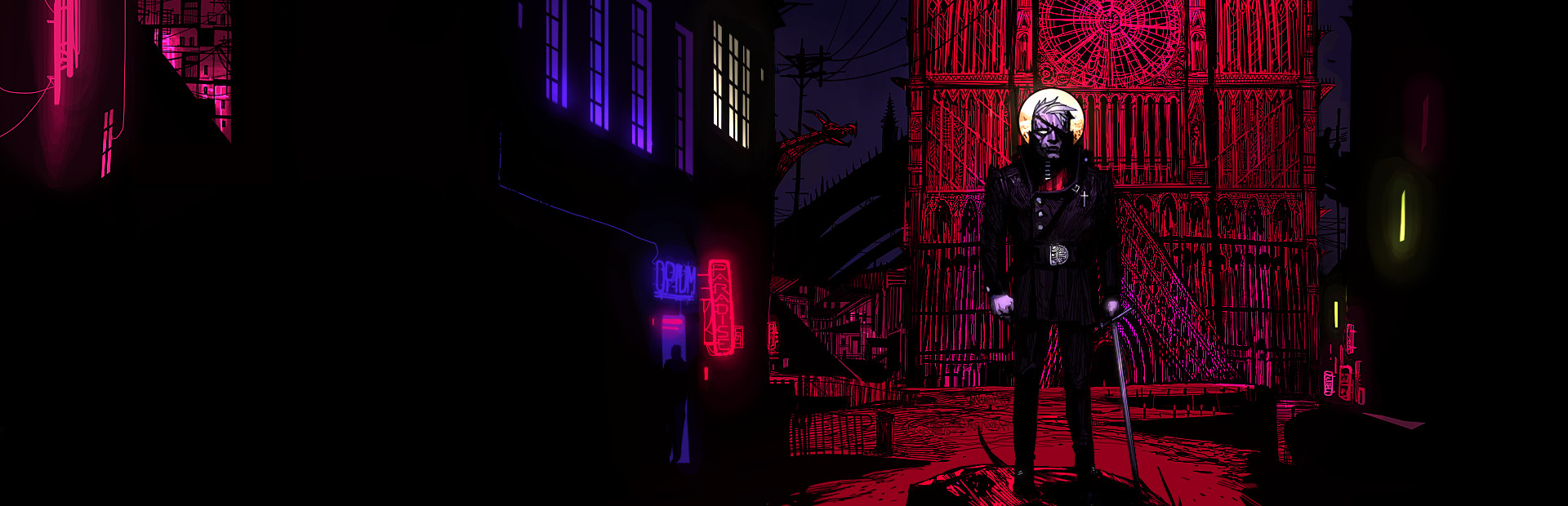
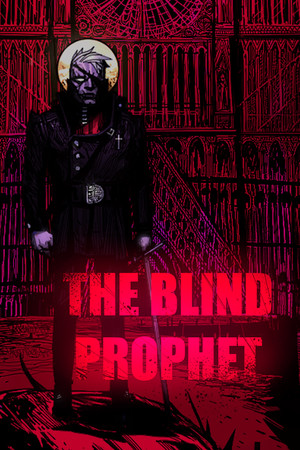
My first instinct when I saw the art for The Blind Prophet was to wonder why nobody had sent me a physical print of it. French solo-ish studio Ars Goetia built this thing panel by panel, and the city of Rotbork, a once-proud fishing port hollowed out by something the locals call the Recession (the fish just vanished, all of them, one day), looks like a lost Dark Horse Comics series from the mid-nineties. Thick ink lines, washed neon light doing nothing to fight the shadows, architecture that sits somewhere between a grim European port and an end-of-history Eastern bloc fever dream. You play Bartholomeus, a 2000-year-old apostle who dresses like a biker and carries a sword, dropped into Gore Bay harbor with a divine mandate to purge whatever demonic infestation has taken root. It is every bit as gloriously weird as that sentence sounds. Mechanically this is a traditional verb-coin point-and-click: click a hotspot and pick from Observe, Take, Use, or Discuss. Navigation happens by clicking on exits rather than walking your character around, which gives each screen a static, graphic-novel-page quality that feels like a feature rather than a budget constraint. The standout mechanic is Stalker's Eye, Bartholomeus's apostolic ability to detect demonic traces, which highlights interactable objects in red. It threads the needle neatly: it functions as a hint system without feeling like one, because the lore justification (apostles can sense corruption on objects) is baked into who Bart is. Puzzles break down into two flavors: classic item combination, which is mostly beginner-friendly and occasionally too straightforward for veteran players, and reflex-based minigames that include bomb-defusal, circuit-fixing, and a nautical automaton riddle that reviewers consistently single out as the clear highlight. Some of the reflex sequences were polarizing at launch, but they do interrupt the slower investigation rhythm in ways that keep the pacing from going flat. Where things get complicated is the writing, and this is the honest part. The game was developed in French and the English translation at launch had consistent problems: typos, archaic word choices swapped in where plain ones belonged, names spelled two different ways in the same playthrough. A running joke involving Vic, Bartholomeus's tattooist companion, mispronouncing his name loses all its teeth when you can't tell if the mangling is intentional. The narrative itself is dark and has genuine texture, touching on systemic corruption, demonic possession as metaphor for institutional rot, and a city whose collapse pre-dates any supernatural explanation. But the story is rigidly linear, with no branching and limited replay value once you know the beats. The ending disappointed some players, and a few plot threads are left unresolved in ways that feel less like intentional mystery and more like ambition outpacing completion time. The soundtrack deserves its own paragraph, because it is doing heavy lifting throughout. The score alternates between droning dark ambient passages and punches of cybergoth techno, with medieval-inflected melodies surfacing in quieter scenes. It is an unusual combination that should feel incoherent and instead feels completely right for a city that cannot decide what century it belongs to. Paired with the handcrafted environments, the soundscape is the main thing that will stay with players. Steam user reviews sit at 86% positive from over 400 ratings, which is warmer than the 68 Metacritic score and probably the more accurate signal. Critics dinged the translation and light gameplay; players, who appear to skew toward graphic novel and classic adventure game fans, responded to the atmosphere and the craft. If your yardstick for a good evening is a game that knows what it looks like and commits to that vision completely, The Blind Prophet earns its hours. It is not going to challenge an experienced point-and-click player, and the English text still carries roughness that can briefly break immersion. But the world Ars Goetia built is unlike almost anything else in the genre, and the soundtrack alone is worth putting on headphones for.

Indie & narrative
Etiquetas
Requisitos del sistema
Mínimos
- OS
- Win 7, 8, 10, 32/64-bit
- Memory
- 4 GB RAM
- DirectX
- Version 9.0
- Storage
- 1500 MB available space
- Graphics
- AMD Radeon HD 6670, GeForce GTX 200 series with at least 1GB
- Processor
- 2.8 Ghz Dual Core CPU
- Sound Card
- DirectX 9.0c compatible sound card with latest drivers
Recomendados
- OS
- Win 7, 8, 10, 32/64-bit
- Memory
- 4 GB RAM
- DirectX
- Version 9.0
- Storage
- 1500 MB available space
- Graphics
- AMD R7 200 series, GeForce GTX 500 series
- Processor
- Quad Core CPU
- Sound Card
- DirectX 9.0c compatible sound card with latest drivers
Sigue explorando
Community Discussion
Be the first to comment on The Blind Prophet.
Reseñas y valoraciones
Información del juego
- Desarrolladora
- Ars Goetia
- Distribuidora
- Ars Goetia
- Fecha de lanzamiento
- 5 feb 2020
