
Space Run Galaxy
Tower defense flipped on its head: you are the moving platform, your hex-grid ship is the battlefield, and every thruster you bolt on is a turret slot you just gave up forever.
Veredicto de GamerScout
Best for strategy players who want twitchy spatial puzzles and can tolerate a clunky crafting economy bolted onto an otherwise sharp core loop.
Comparar precios(5 tiendas)
Todas las tiendas de esta tabla nos dan el precio en euros, así que la cifra en EUR es el precio que fijó el vendedor, no un cálculo nuestro, y por eso EUR es también la moneda en la que calculamos el ranking. Solo incluimos aquí una oferta cuando la tienda nos da su precio en euros, de modo que ninguna cifra de esta tabla es inventada por nosotros.
Elige USD, PLN, GBP, CAD o AUD en la cabecera y convertimos desde EUR con el tipo de cambio de referencia del Banco Central Europeo — los importes convertidos llevan el prefijo ~. Tu banco o la tienda pueden aplicar un tipo distinto al pagar. Nunca ocultamos ofertas según dónde estés: todo el mundo ve esta tabla completa.
We may earn a commission when you buy games through links on this page — at no extra cost to you. It never affects our rankings or verdicts.
Historial de precios
Capturas y multimedia
Acerca de Space Run Galaxy
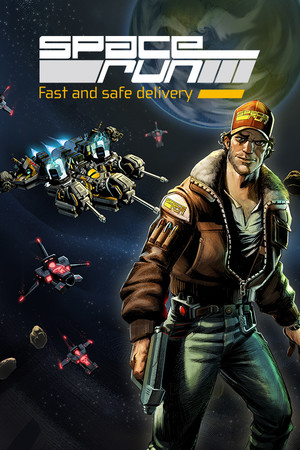
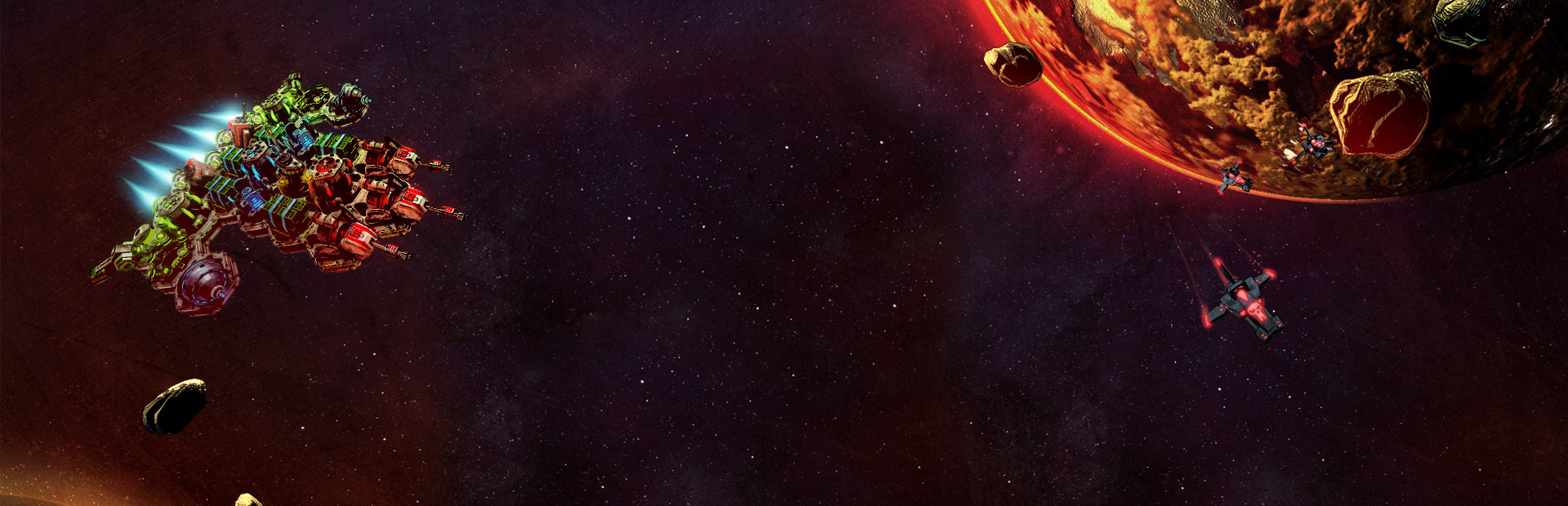
I keep a short list of games that do something genuinely structurally different with a familiar genre, and Space Run Galaxy earns a slot on it. The core conceit is what reviewers have called a "reverse tower defense": rather than enemies marching down a fixed path toward your base, your hexagonal ship is the base, and it is constantly in motion. You place laser turrets, missile launchers, ion cannons, twin-barrel transforming guns, shield generators, repair pods, and additional thrusters directly onto the hex tiles of your hull in real time, while asteroids and pirate gunships close in from directions telegraphed by an incoming threat meter on screen. There is no pause. There is no slow-motion. Every placement decision you make mid-flight is permanent for that run, which creates a taut, almost tactile pressure that most tower defense games never come close to. The spatial math running underneath every mission is what keeps me interested past the first hour. Each hex tile you commit to a thruster raises your speed rating and your end-of-run bonus, but it is one less hex for a missile launcher or a cargo block. Taking on multiple contracts in a single run by stacking cargo tiles sounds profitable until you realize you have left yourself with four hexes of defensive coverage and a boss-tier pirate ship about to come in from the stern. The tension between profit maximization and hull survivability is genuine, and the enemy wave system compounds it further: unlike the first game, enemies in Galaxy no longer arrive on a fixed schedule. They respond to your weapon placement, flanking exposed sides, which rewards players who think about firing arcs before a run starts rather than scrambling once the shooting begins. The Galaxy layer built on top of that core is more complicated to evaluate. The persistent online universe lets you post contracts for other players to fulfill, trade crafting materials and ship blueprints on an open market, and accept player-created jobs for above-average rewards. On paper this is an interesting lightweight economy sim sitting on top of the action game. In practice, the crafting logistics are genuinely clunky: materials are locked to the planet where you earned them, and transporting them to a shipyard that can actually process them can take several additional runs, each burning inventory slots on your hull. If the player base around you is thin, which it often is a decade after launch, the async multiplayer layer loses most of its texture and you are left doing the material hauling manually. The difficulty curve also has uneven spikes, particularly between story missions and side contracts, so expect occasional brick walls that send you back to grind easier routes for upgrade credits. What the game gets right beyond the core mechanics is its tone. The voice acting is competent, the dialogue is snarky without being grating, and the four solar systems across 50-plus zones give the galaxy map enough variety to stay interesting through the campaign. The three-star speed ranking on every route provides a concrete target for replay: going back to a route you barely survived and achieving a Lightspeed Delivery by swapping a shield generator for a second thruster is exactly the kind of measurable mastery loop that keeps strategy players coming back. New players should not worry about skipping the original Space Run first. The tutorial is functional, the first solar system eases you into hex placement at a forgiving pace, and the upgrade curve gives you time to build muscle memory before the pirate boss encounters start punishing sloppy turret arcs. The always-online requirement for full functionality is worth flagging: losing connection crashes a run, and offline mode cuts you off from the market and player contracts entirely.

Strategy & simulation
Etiquetas
Requisitos del sistema
Mínimos
- OS
- Windows Vista, 7, 8.1, 10
- Memory
- 3 GB RAM
- Storage
- 3 GB available space
- Graphics
- 1 GB, OpenGL 3.3 Compatible NVIDIA Geforce 9800 GT/AMD Radeon HD 3870/Intel Iris 5100
- Processor
- AMD/Intel Dual core 2.4 GHz
Sigue explorando
Community Discussion
Be the first to comment on Space Run Galaxy.
Reseñas y valoraciones
Información del juego
- Desarrolladora
- Passtech Games
- Distribuidora
- Focus Entertainment
- Fecha de lanzamiento
- 17 jun 2016