Potata: fairy flower
Somewhere between a children's storybook and a thorny woodland trap, this two-person indie hides real charm behind puzzles that will make you want to scream at sarcastic fairies.
Veredicto de GamerScout
Best for patient players who love storybook aesthetics and don't mind cryptic puzzles in an otherwise gentle woodland adventure.
Comparar precios(4 tiendas)
Todas las tiendas de esta tabla nos dan el precio en euros, así que la cifra en EUR es el precio que fijó el vendedor, no un cálculo nuestro, y por eso EUR es también la moneda en la que calculamos el ranking. Solo incluimos aquí una oferta cuando la tienda nos da su precio en euros, de modo que ninguna cifra de esta tabla es inventada por nosotros.
Elige USD, PLN, GBP, CAD o AUD en la cabecera y convertimos desde EUR con el tipo de cambio de referencia del Banco Central Europeo — los importes convertidos llevan el prefijo ~. Tu banco o la tienda pueden aplicar un tipo distinto al pagar. Nunca ocultamos ofertas según dónde estés: todo el mundo ve esta tabla completa.
We may earn a commission when you buy games through links on this page — at no extra cost to you. It never affects our rankings or verdicts.
Historial de precios
Capturas y multimedia
Acerca de Potata: fairy flower
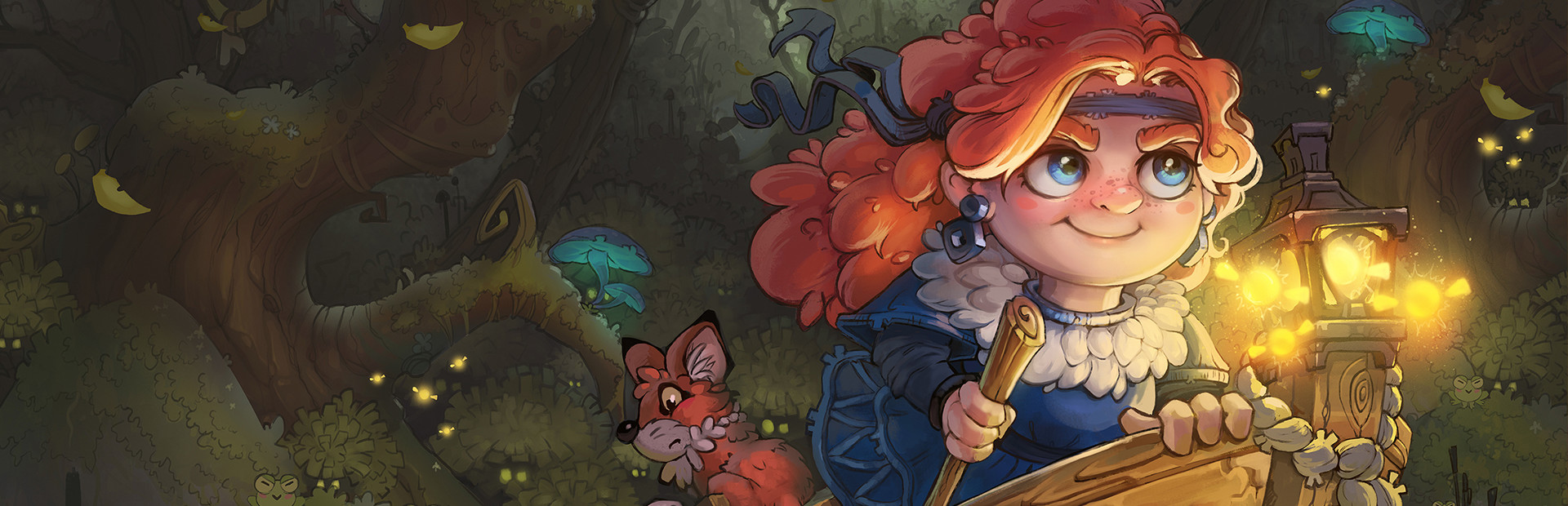
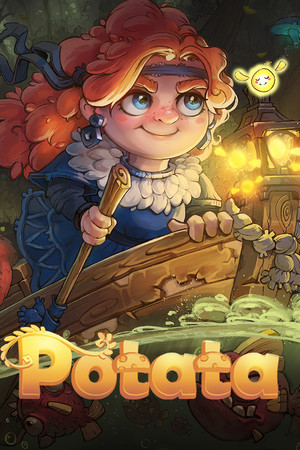
My first instinct when I saw the art for Potata: fairy flower was that someone had taken a 19th-century illustrated fairy tale, cut it into levels, and handed it to a small team with a lot of heart and not quite enough time to sand every corner. That instinct turned out to be mostly right, and I mean that more warmly than it sounds. The setup is light and deliberately folksy: young witch Potata heads into the forest on an errand, picks the wrong flower, and finds herself blackmailed by an outraged fairy into collecting six scattered golden petals or watching her village lose its magical protection. It reads like straight-up bedtime-story blackmail, which gives the dialogue a wonderfully odd energy. The writing has grammatical rough edges throughout, possibly artifacts of translation, but several exchanges land as genuinely funny in a slightly accidental way. Do not expect a layered narrative. The story is a coat hook, not a wardrobe. What the game is actually about is the layered, slow-burn process of exploring seven chapters across biomes ranging from swampy bog bubbles to a Cloud Kingdom, gathering blue gem currency, using berries to put monsters to sleep, finding keys for chests, and planting tree seeds to unlock new paths. The platforming itself asks you to hold the jump button for longer arcs and tap it for short hops, which feels intuitive quickly. You pick up a melee weapon not long into chapter one, and while the boss encounters are serviceable, combat clearly plays second fiddle to the environmental traversal and item management. Wooden planks become improvised bridges, fruit renders dangerous creatures useless, and off-screen ledges hide secrets worth hunting. The level design genuinely rewards patience and peripheral attention. The friction lives in the dedicated puzzle segments. At regular intervals the game drops a gate in front of you that can only be opened by solving a Tetris-block formation, a light-path connector, or a lever sequence with almost no contextual instruction. You can spend gems to buy a hint from a nearby witch character, but reviewers across the board note the hints are often more cryptic than the puzzle itself. These segments do not feel like they belong to the same design philosophy as the rest of the game, and for completionists the stakes are higher: there is no level select, so a missed collectible means a full restart. Checkpoint spacing can also be punishing, occasionally sending you back through territory you already cleared. Visually, this is where the two-person team of artist Anna Lepeshkina and programmer Alexey Zavrin earns real respect. The forest backdrops have a layered depth that makes the side-scrolling world feel three-dimensional in a way that is genuinely unusual for its scope. The soundtrack carries Celtic-leaning melodies and decorative piano lines that wrap the whole thing in a feeling of cautious enchantment. It can grow repetitive over a longer sitting, but in shorter sessions it lands exactly right. Steam reviews sit at roughly 77 percent positive from a small sample, which feels honest: this is a game made with visible craft and genuine affection for its aesthetic, but with rough edges that a bigger production budget would have caught. If you like slow, secret-dense platformers with an atmosphere closer to Rayman Legends than Super Meat Boy, and you have patience for puzzle design that occasionally forgets to explain itself, Potata rewards the kind of player who lingers at every screen edge. If you need tight feedback loops and clear progression markers, it will frustrate you before it charms you.

Indie & narrative
Etiquetas
Requisitos del sistema
Mínimos
- OS
- Windows 7
- Memory
- 4 GB RAM
- DirectX
- Version 10
- Storage
- 5 GB available space
- Graphics
- GeForce 9800GTX+ (1GB)
- Processor
- Intel Core 2 Duo E5200
Recomendados
- OS
- Windows 7
- Memory
- 8 GB RAM
- DirectX
- Version 11
- Storage
- 5 GB available space
- Graphics
- GeForce GTX 760M
- Processor
- Intel Core i5
Sigue explorando
Community Discussion
Be the first to comment on Potata: fairy flower.
Reseñas y valoraciones
No hay valoraciones disponibles
Información del juego
- Desarrolladora
- Potata Company
- Distribuidora
- Potata Company
- Fecha de lanzamiento
- 16 dic 2019