Outlast 2
Red Barrels trades the asylum for the Arizona desert, and the result is a survival horror ride that's genuinely oppressive when it works and genuinely maddening when it doesn't.
Veredicto de GamerScout
7.5/10Committed survival horror with exceptional sound design, best for players who forgive trial-and-error chase design in exchange for genuine atmospheric dread.
Comparar precios(5 tiendas)
Todas las tiendas de esta tabla nos dan el precio en euros, así que la cifra en EUR es el precio que fijó el vendedor, no un cálculo nuestro, y por eso EUR es también la moneda en la que calculamos el ranking. Solo incluimos aquí una oferta cuando la tienda nos da su precio en euros, de modo que ninguna cifra de esta tabla es inventada por nosotros.
Elige USD, PLN, GBP, CAD o AUD en la cabecera y convertimos desde EUR con el tipo de cambio de referencia del Banco Central Europeo — los importes convertidos llevan el prefijo ~. Tu banco o la tienda pueden aplicar un tipo distinto al pagar. Nunca ocultamos ofertas según dónde estés: todo el mundo ve esta tabla completa.
We may earn a commission when you buy games through links on this page — at no extra cost to you. It never affects our rankings or verdicts.
Historial de precios
Capturas y multimedia
Acerca de Outlast 2
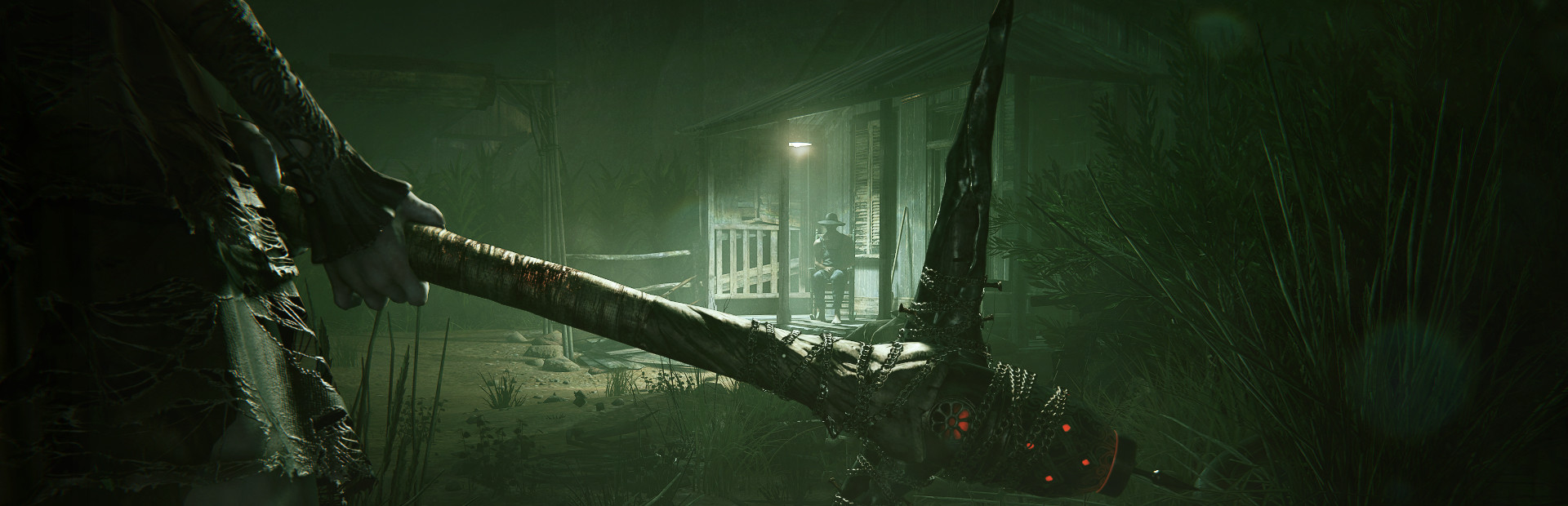
I went into Outlast 2 expecting the claustrophobic dread of the first game, repackaged in a new skin. What I got was something stranger, more ambitious, and considerably more divisive. The shift from Mount Massive Asylum's tight corridors to open cornfields and cult-ridden villages is the boldest thing Red Barrels attempted here, and it cuts both ways. The wider, more labyrinthine environments can absolutely swallow you in dread. Creeping through tall grass in near-silence while cultists sweep flashlight beams overhead is the kind of tension that roots you to your chair. But that same openness often leaves you circling the same grim geography with no clear idea where the exit is, dying repeatedly to fast enemies until muscle memory, not instinct, finally carries you through. The core loop is unchanged from the first game: you are cameraman Blake Langermann, separated from his wife Lynn in a helicopter crash over rural Arizona, and you cannot fight anything. Your tools are your camcorder with its battery-hungry night-vision mode, bandages for patching wounds, and your legs. The sequel does expand the camcorder's role meaningfully: pointing it at key scenes triggers a recording, and Blake's increasingly fractured commentary on those recordings doubles as both a narrative device and a slow-burn portrait of a man unravelling. The peek system has been expanded too, letting you glance around corners, over ledges you're clinging to, and even above the surface of water while submerged. These additions feel earned. The problem is that the game surrounding them too frequently collapses into a trial-and-error sprint toward an invisible finish line, checkpoints spaced just far enough apart to make each failed run feel punishing rather than instructive. The sound design, composed by Samuel Laflamme returning from the original, is where Outlast 2 earns every favourable word written about it. The score is jagged and angular, almost liturgical in places, and the environmental audio does extraordinary work: distant screams floating on night air, bare feet on rotting wood, the wet chorus of a cornfield at midnight. Close your eyes and the game sounds like something twice its budget. It is also one of the rare horror games where the audio alone can slow your heart rate down to something uncomfortable. The school sequences that cut between Blake's present-day nightmare and traumatic childhood memories are genuinely unsettling in construction, even if the narrative connecting them never fully resolves into something coherent. And that is the honest frustration with Outlast 2. The story reaches for themes of religious extremism, trauma, and psychological dissolution, but the threads between them stay loose. Blake as a protagonist is reactive rather than active, swept along by events he never meaningfully influences. The antagonists, including cult leader Sullivan Knoth and the towering, crucifix-wielding Marta, have presence in early encounters but fade as the campaign extends. The ending lands on a note that is either haunting or hollow depending on your patience with deliberate ambiguity, and the community has been arguing that case since launch day in 2017. It is worth noting that Red Barrels later added a Story Mode difficulty in response to player feedback, slowing enemy speed and perception enough to let you actually absorb the environment rather than sprint past it in a panic. That mode meaningfully changes how the game breathes. For horror fans who prioritise atmosphere and soundscape over mechanical depth, Outlast 2 still delivers something few games dare to. It is relentlessly oppressive, visually accomplished for its era, and best experienced with headphones and no distractions. Players who want clean stealth mechanics, satisfying navigation design, or a story that explains itself will find the walls closing in for the wrong reasons. Go in knowing that it is a flawed but committed piece of survival horror, that the original remains the cleaner experience, and that Nightmare difficulty exists for those who want to feel genuinely persecuted.

Indie & narrative
Etiquetas
Requisitos del sistema
Mínimos
- Processor
- Core i3-530
- Memory
- 4 GB RAM
- Graphics
- 1GB VRAM NVIDIA Geforce GTX 260 / ATI Radeaon HD 4xxx
- DirectX
- Version 10
- Storage
- 30 GB available space
- Sound Card
- DirectX Compatib…
Recomendados
- Processor
- Intel Core i5
- Memory
- 8 GB RAM
- Graphics
- 1.5GB VRAM, NVIDIA Geforce GTX 660 / ATI Radeon HD 7850
- DirectX
- Version 11
- Storage
- 30 GB available space…
Sigue explorando
Community Discussion
Be the first to comment on Outlast 2.
Reseñas y valoraciones
Información del juego
- Desarrolladora
- Red Barrels
- Distribuidora
- Red Barrels
- Fecha de lanzamiento
- 24 abr 2017