Mirage 7
A grief-driven desert pilgrimage where your lizard companion does most of the heavy lifting - atmospheric, old-school, and more puzzle box than action game.
Veredicto de GamerScout
Best for patient puzzle fans drawn to atmospheric indie adventures with genuine emotional stakes and a tolerance for rough-edged combat.
Comparar precios(5 tiendas)
Todas las tiendas de esta tabla nos dan el precio en euros, así que la cifra en EUR es el precio que fijó el vendedor, no un cálculo nuestro, y por eso EUR es también la moneda en la que calculamos el ranking. Solo incluimos aquí una oferta cuando la tienda nos da su precio en euros, de modo que ninguna cifra de esta tabla es inventada por nosotros.
Elige USD, PLN, GBP, CAD o AUD en la cabecera y convertimos desde EUR con el tipo de cambio de referencia del Banco Central Europeo — los importes convertidos llevan el prefijo ~. Tu banco o la tienda pueden aplicar un tipo distinto al pagar. Nunca ocultamos ofertas según dónde estés: todo el mundo ve esta tabla completa.
We may earn a commission when you buy games through links on this page — at no extra cost to you. It never affects our rankings or verdicts.
Historial de precios
Capturas y multimedia
Acerca de Mirage 7
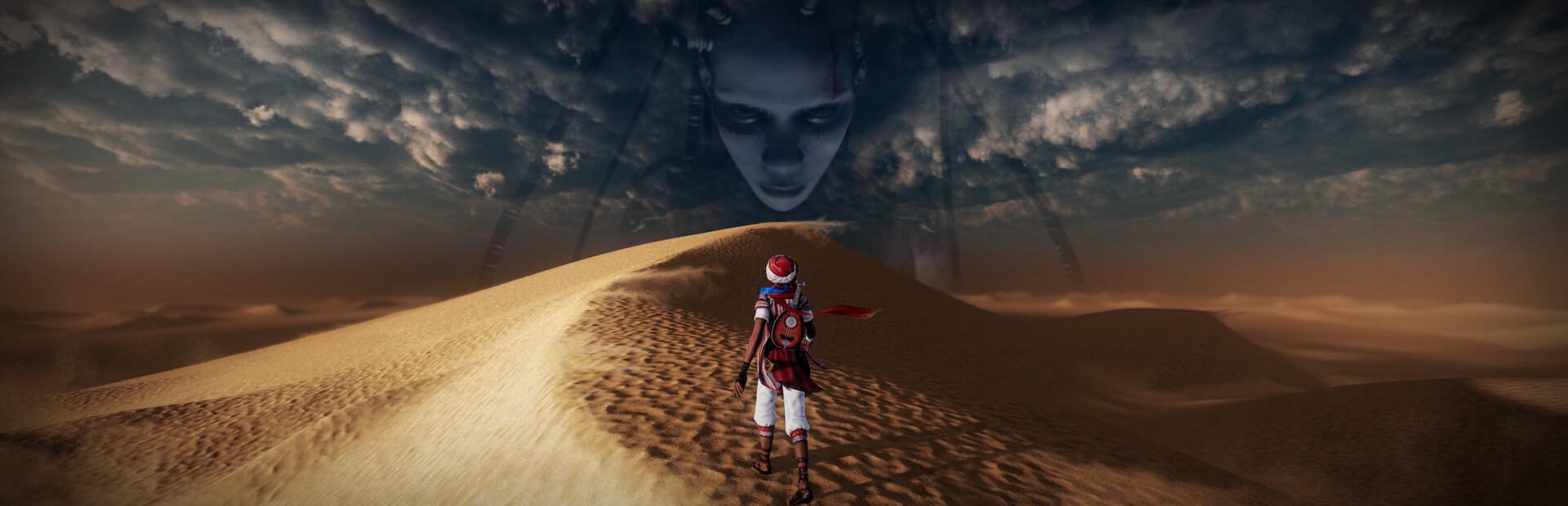
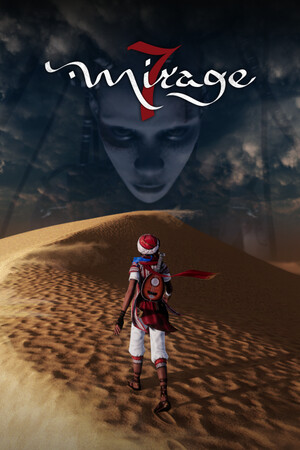
My first honest reaction to Mirage 7 was that it felt like someone had excavated a mid-2000s adventure game from beneath the sand and gently dusted it off. That is not a backhanded compliment. Drakkar Dev's third-person puzzle-adventure follows Nadira, a young woman crossing the brutal Desert of Jahenazir alongside her lizard companion Jiji, chasing the legend of Princess Taishma and a wish to bring her sister back from the dead. The premise carries real emotional weight. The execution is imperfect but quietly sincere. The game opens with a sci-fi jolt - a crashed reconnaissance drone, an EMP pulse near a secret military base, a mysterious entity awakening - and then settles into the slower rhythm of desert survival and mythological problem-solving. That tonal whiplash between Arabian-folklore fantasy and cold sci-fi unease is genuinely interesting, even if the two strands never fully fuse. What you spend most of your time doing is exploring zone-by-zone environments, combining inventory items (dousing rags in oil to make torches, crafting tools from scrounged materials), and solving environmental puzzles that draw on the game's own lore. The centerpiece is a grand multi-room temple that swallows a couple of hours on its own, with each chamber requiring you to understand the mythology depicted on its walls before you can proceed. When that loop clicks, it earns its satisfaction properly. Jiji is the mechanical heart of the whole thing. Switching control to the lizard to squeeze through cracks, activate remote mechanisms, and scan the environment with Lizard Eye vision - which highlights interactable objects - keeps the puzzle structure from caving in on itself. The dual-character dynamic is handled with care, and the bond it creates between Nadira and Jiji is one of the warmer small-game relationships I have spent time with. Combat, on the other hand, is where the budget shows its limits plainly. Nadira's dagger swings feel stiff, the auto lock-on misbehaves, and facing two enemies at once becomes a backward shuffle. The slingshot helps at range, and the game is sensible enough to lean away from combat as its main mode - but it never disappears entirely. Players expecting any kind of refined action will find it a slog. Visually, the environments carry more weight than the characters. Desert dunes, ancient ruins, and underground facilities all have a warm, restrained art direction that grows more striking the further you progress. Character animations are the rough edge - stiff and dated in a way that some reviewers have found nostalgic and others unacceptable, and your tolerance for that will shape your overall experience. The soundscape is the genuine standout. Ambient desert audio and a sparse, atmospheric soundtrack do real work building the loneliness of the pilgrimage - the kind of sound design that makes a quiet moment feel heavier than it should. Voice acting lands somewhere in the middle: Nadira's in-puzzle hints repeat a little too often, but the presence of the mysterious Vizier adds a compelling thread of unease to the narrative. The game runs about four to six hours depending on how long the puzzles hold you, and there is enough lore hidden in journals, tablets, and scrolls to reward the curious without overwhelming the pace. Mirage 7 is the kind of small game that knows what it is and mostly respects that constraint. It does not always stick its puzzle logic - some solutions hinge on one-off mechanics introduced without clear precedent - and the narrative conclusion leaves several of its more intriguing sci-fi threads underexplored. But there is a handcrafted particularity to the world and a genuine emotional earnestness to Nadira's quest that most games ten times this size never bother with. If you play adventure games for atmosphere, for companion bonds, for the slow pleasure of making an ancient temple give up its secrets, this one is worth your patience.

Indie & narrative
Etiquetas
Requisitos del sistema
Mínimos
- OS
- Windows 7
- Memory
- 8 GB RAM
- Storage
- 3 GB available space
- Graphics
- Nvidia GTX 1060 or equivalent
- Processor
- Intel i5 or equivalent
Recomendados
- OS
- Windows 10
- Memory
- 16 GB RAM
- Storage
- 3 GB available space
- Graphics
- Nvidia GTX 2060 or equivalent
- Processor
- Intel i7 or equivalent
Sigue explorando
Community Discussion
Be the first to comment on Mirage 7.
Reseñas y valoraciones
No hay valoraciones disponibles
Información del juego
- Desarrolladora
- Drakkar Dev
- Distribuidora
- Blowfish Studios
- Fecha de lanzamiento
- 6 mar 2026