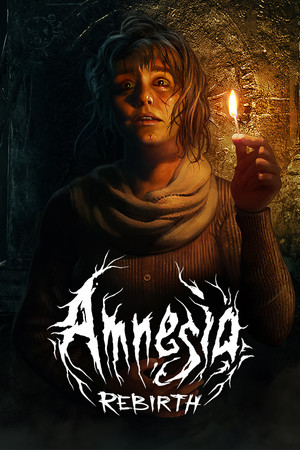
Amnesia: Rebirth
Frictional's most narratively ambitious horror game is also their most divisive. If you play for atmosphere and story over pure scares, this one gets under your skin in ways that linger.
Veredicto de GamerScout
8/10Best for players who want story-driven horror with a heavy atmosphere rather than relentless survival tension.
Comparar precios(4 tiendas)
Todas las tiendas de esta tabla nos dan el precio en euros, así que la cifra en EUR es el precio que fijó el vendedor, no un cálculo nuestro, y por eso EUR es también la moneda en la que calculamos el ranking. Solo incluimos aquí una oferta cuando la tienda nos da su precio en euros, de modo que ninguna cifra de esta tabla es inventada por nosotros.
Elige USD, PLN, GBP, CAD o AUD en la cabecera y convertimos desde EUR con el tipo de cambio de referencia del Banco Central Europeo — los importes convertidos llevan el prefijo ~. Tu banco o la tienda pueden aplicar un tipo distinto al pagar. Nunca ocultamos ofertas según dónde estés: todo el mundo ve esta tabla completa.
We may earn a commission when you buy games through links on this page — at no extra cost to you. It never affects our rankings or verdicts.
Historial de precios
Capturas y multimedia
Acerca de Amnesia: Rebirth
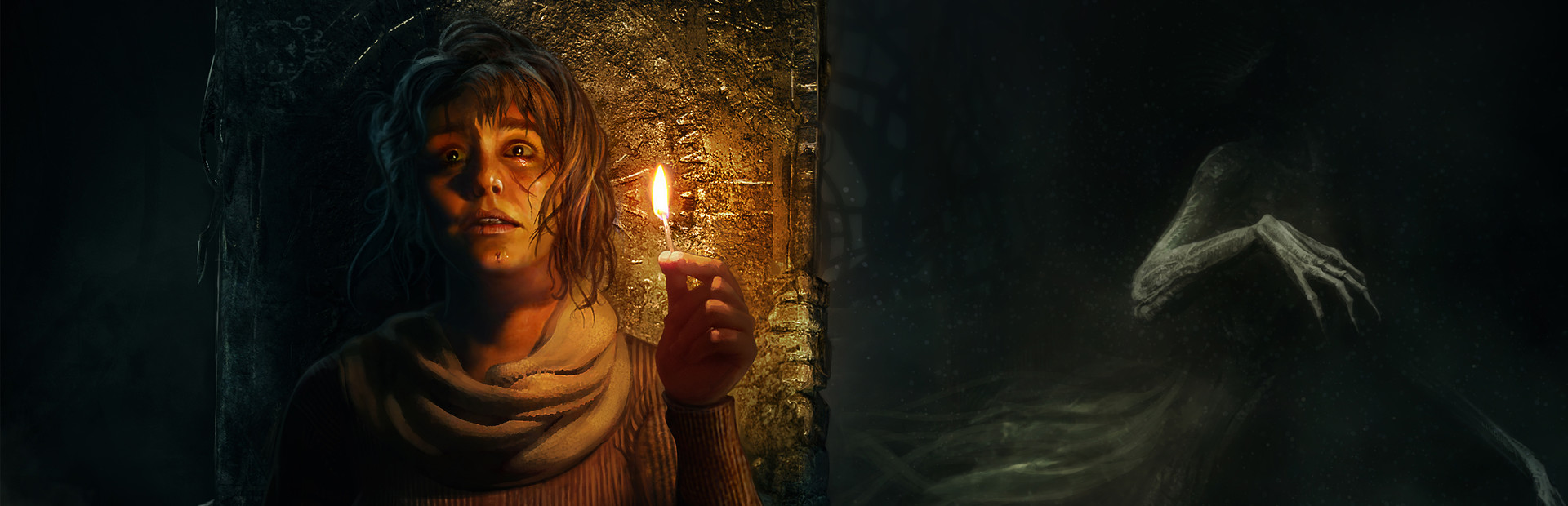
I went into Amnesia: Rebirth expecting a straight-up return to the dread of The Dark Descent, and what I got instead was something stranger and more personal. You play as Tasi Trianon, an archaeologist whose plane goes down in the Algerian desert in 1937. She wakes alone, memories fractured, and the game does something interesting: it refuses to let you forget there is something alive and growing inside her. That premise anchors the horror in something more visceral than ancient castle corridors. The fear mechanic is Rebirth's spine. Linger too long in darkness and Tasi begins to hear voices that are not there, her vision blackening at the edges, her veins darkening on screen. Matches and oil lanterns become the rhythm of survival, a constant low-stakes resource loop that hums underneath every room you enter. It does not always reach the suffocating tension of The Dark Descent, partly because the creature encounters are gentler than they look. Enemies are easier to outrun than earlier games in the series, and getting caught nudges you forward rather than forcing a restart. Some players will find that merciful. Others will feel the teeth are missing. Both reactions are fair. What holds up is the sound design and the environmental craft. The underground cisterns, crumbling colonial forts, and alien architecture Tasi passes through all carry their own acoustic weight. Play this with headphones and the ambient layering alone earns back a large portion of any admission cost. The storytelling mechanism is also distinctive: Tasi's memories surface as charcoal-sketch animations with voiced narration, which gives the flashback sequences an almost handmade quality. Where the game stumbles is in pacing those revelations. Several reviewers and players noted that Rebirth shows too many of its bigger narrative cards in the opening two hours, deflating the slow dread that made Dark Descent so effective. The puzzle design draws similar criticism: some objectives are communicated so softly that you can loop through the same dim corridors for long stretches before progress clicks. Frictional themselves later acknowledged that reception was a mixed bag, and you can feel that tension in the game itself. Rebirth is clearly reaching for something more emotionally weighty than its predecessors, exploring motherhood and loss inside a cosmic horror framework. When that ambition lands, it produces some genuinely affecting sequences. When it does not, the experience drifts toward a well-dressed walking pace with intermittent scares. There is also an Adventure Mode for anyone who wants the story stripped of the heavier fear pressure, which is a generous option and speaks to Frictional's awareness that the audience for this game is not uniform. If you bounced off The Dark Descent's unforgiving tension or loved SOMA's narrative-first approach, Rebirth sits closer to that second camp than most promotional material suggests. It is a slower, sadder kind of horror. The Algerian desert, the impossibly lit alien spaces, the sound of Tasi talking quietly to herself in a dark room all accumulate into something that feels hand-built and intentional, even where the moment-to-moment gameplay is underpowered. It earns its Metacritic 80 on atmosphere and ambition alone, even if it falls short of the legacy it is chasing.

Indie & narrative
Etiquetas
Requisitos del sistema
Mínimos
- Processor
- Core i3 / AMD FX 2.4Ghz
- Memory
- 4 GB RAM
- Graphics
- OpenGL 4.0, Nvidia GTX 460 / AMD Radeon HD 5750 / Intel HD 630
- Storage
- 50 GB available space
Recomendados
- Processor
- Core i5 / Ryzen 5
- Memory
- 8 GB RAM
- Graphics
- OpenGL 4.3, Nvidia GTX 680 / AMD Radeon RX 580 / Intel Xe-HPG…
Sigue explorando
Community Discussion
Be the first to comment on Amnesia: Rebirth.
Reseñas y valoraciones
Información del juego
- Desarrolladora
- Frictional Games
- Distribuidora
- Frictional Games
- Fecha de lanzamiento
- 20 oct 2020