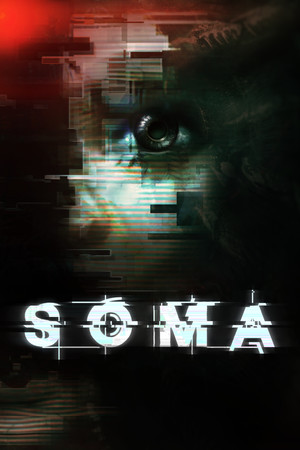
SOMA
Few games have left me staring at a black screen after the credits, genuinely unsure whether the ending was a triumph or a tragedy. SOMA earns that feeling every single time.
Veredicto de GamerScout
8.4/10Essential for players who want a sci-fi horror story that lingers for days; Safe Mode makes it accessible to almost anyone willing to sit with difficult questions.
Comparar precios(4 tiendas)
Todas las tiendas de esta tabla nos dan el precio en euros, así que la cifra en EUR es el precio que fijó el vendedor, no un cálculo nuestro, y por eso EUR es también la moneda en la que calculamos el ranking. Solo incluimos aquí una oferta cuando la tienda nos da su precio en euros, de modo que ninguna cifra de esta tabla es inventada por nosotros.
Elige USD, PLN, GBP, CAD o AUD en la cabecera y convertimos desde EUR con el tipo de cambio de referencia del Banco Central Europeo — los importes convertidos llevan el prefijo ~. Tu banco o la tienda pueden aplicar un tipo distinto al pagar. Nunca ocultamos ofertas según dónde estés: todo el mundo ve esta tabla completa.
We may earn a commission when you buy games through links on this page — at no extra cost to you. It never affects our rankings or verdicts.
Historial de precios
Capturas y multimedia
Acerca de SOMA
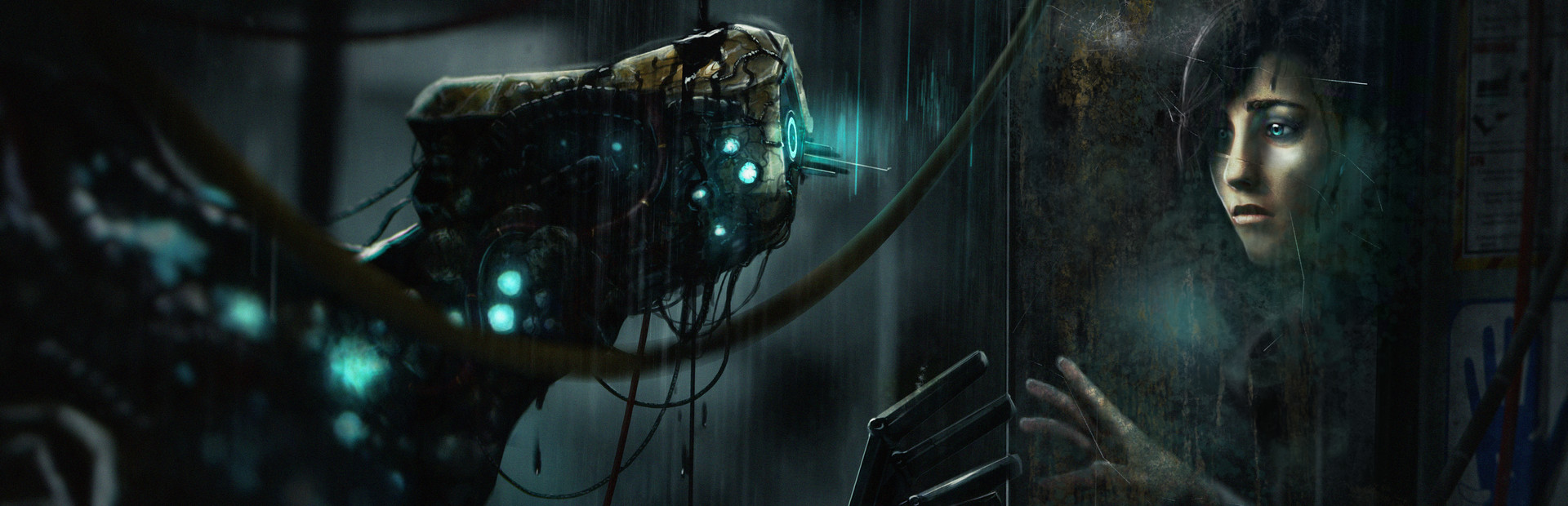
I still think about SOMA's ending. Not because it surprised me with a cheap twist, but because it handed me a philosophical gut-punch and then quietly walked away, leaving all the heavy lifting to my own conscience. That is what Frictional Games built here: a slow, meticulous sci-fi horror experience set entirely inside the decaying underwater research station PATHOS-II, where the year is 2104, humanity has gone extinct on the surface, and the machines left running have started to believe they are people. You play as Simon Jarrett, a young man from Toronto who agreed to an experimental brain scan and woke up a century later somewhere he was never supposed to be. The setup sounds clinical. The execution is anything but. Gameplay sits in a familiar Frictional rhythm: first-person exploration, environmental puzzle-solving, audio logs, handwritten notes, and creature encounters that you can only survive by hiding or running. There are no weapons. The Omni-tool opens doors and activates terminals, but otherwise your hands are empty. Specific enemy types each carry their own evasion logic: Proxies are blind but react violently to the smallest sound, Fleshers become agitated if you look directly at them, and the lumbering Construct demands patience and careful observation. None of these encounters are especially inventive in isolation, and several critics noted at launch that the monster sequences feel like interruptions to a story that is frankly too good to be interrupted. Frictional clearly felt the same tension, which is why they added Safe Mode in 2017. In that mode, creatures remain present and unnerving but cannot kill you, giving the philosophical narrative room to breathe without the survival mechanics constantly breaking concentration. For players who are here for the ideas rather than the fear, Safe Mode is the better entry point and there is no shame in choosing it. What the game gets absolutely right is everything else. The PATHOS-II stations are textured with a strange, lived-in sadness: warning labels half-peeled off walls, audio journals from crew members who did not survive long enough to hear their own messages, terminals full of correspondence between people who were just doing their jobs before everything collapsed. The sound design is the kind that makes you pull your headphones tighter rather than take them off. Approaching any creature subtly warps the audio around you, a mechanic that works both as a threat indicator and as a thematic underlining of what it means to be near something that is almost conscious but not quite. The score sits under the tension like deep-sea pressure, never melodramatic, always present. The moral weight of the story is delivered through choices that carry no achievement rewards and change nothing about the ending. You decide whether to shut down a previous copy of Simon or leave him aware and stranded. You decide the fate of Sarah Lindwall. You decide what to do with the WAU. The game does not judge you. It simply presents each situation with a matter-of-fact clarity that makes the implications hit harder, not softer. Some players will find this frustrating; if you want your moral decisions to reshape the narrative, SOMA is not built that way. If you want a game that trusts you to sit with the weight of a decision long after the screen fades to black, this is one of the few that actually delivers on that. The weaknesses are real but narrow. The underwater traversal sections on the ocean floor received criticism at launch for being slow and overly linear, and that critique holds. Puzzle difficulty is low throughout, which suits the pacing but will leave players looking for mechanical challenge wanting more. At roughly eight to fifteen hours depending on how thoroughly you read, it knows its length and uses it well, though the middle chapters can feel slightly stretched. What it never does is overstay its emotional welcome. For anyone who loves handcrafted atmosphere, a script that earns its science fiction ambitions, and sound design that functions almost as a second narrator, SOMA is the kind of game I still recommend to people who have never touched a horror title in their lives and watch them come back days later to talk about the ending.

Indie & narrative
Etiquetas
Requisitos del sistema
Mínimos
- Processor
- Core i3 / AMD A6 2.4Ghz
- Memory
- 4 GB RAM
- Graphics
- NVIDIA GeForce GTX 260 / AMD Radeon HD 5750. OpenGL 3.3
- Storage
- 25 GB available space
Recomendados
- Processor
- Core i5 / AMD FX 2.4Ghz
- Memory
- 8 GB RAM
- Graphics
- NVIDIA GeForce GTX 480 / AMD Radeon HD 5970. OpenGL 3.3
- Storage
- 25 GB available space
Sigue explorando
Community Discussion
Be the first to comment on SOMA.
Reseñas y valoraciones
Información del juego
- Desarrolladora
- Frictional Games
- Distribuidora
- Frictional Games
- Fecha de lanzamiento
- 21 sept 2015
- Clasificación por edad
- PEGI 17