What Comes After
Two hours on a ghost train that will outlast most ten-hour games in your memory, if you can stomach a story that asks hard questions about why you're still here.
GamerScout Verdict
Worth every one of its two hours for players who want narrative over mechanics, skip it if interactivity is your baseline for value.
Compare Prices(3 stores)
Every store in this table quotes us in euros, so the EUR figure is the price the seller actually set, not our arithmetic — which is why EUR is also the currency we rank in. We only list an offer here when the store gives us its price in euros, so nothing in this table is a number we invented.
Pick USD, PLN, GBP, CAD or AUD in the header and we convert from EUR at the European Central Bank reference rate — converted amounts are prefixed with ~. Your bank or the store may apply a different rate at checkout. We never hide offers based on where you are: everyone sees this whole table.
We may earn a commission when you buy games through links on this page — at no extra cost to you. It never affects our rankings or verdicts.
Price History
Screenshots & Media
About What Comes After
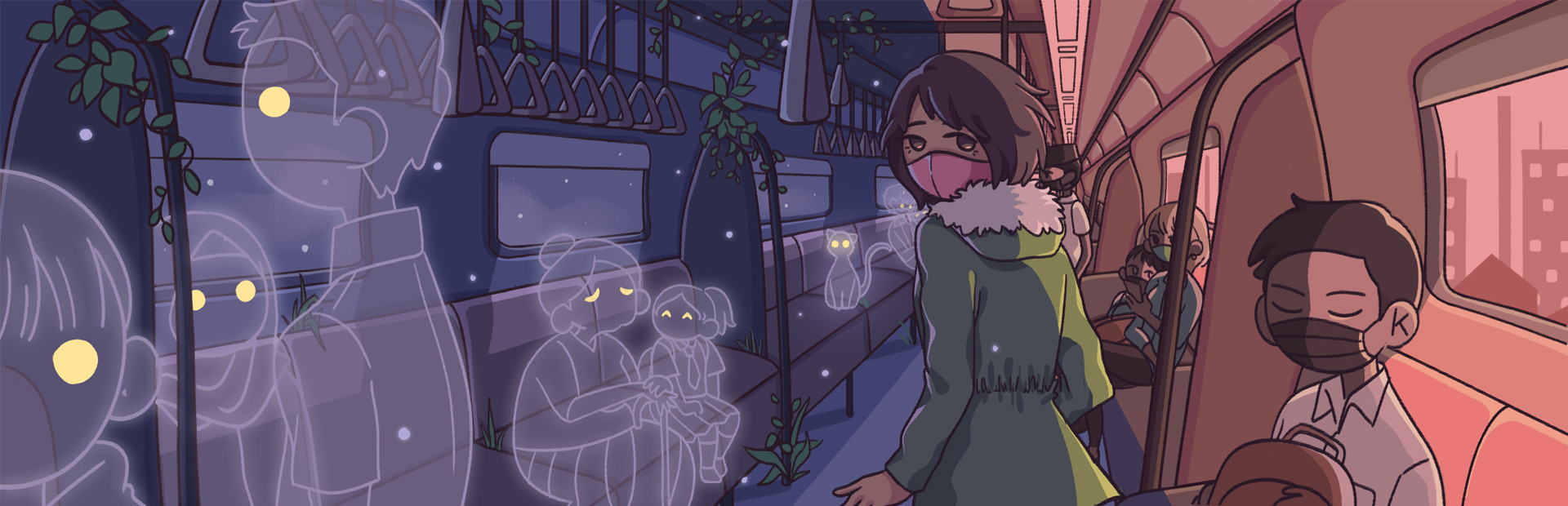
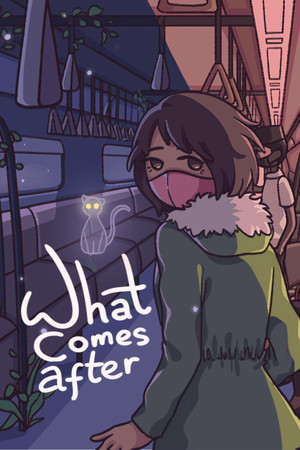
I finished What Comes After in a single sitting, set my controller down, and sat very still for a few minutes. That doesn't happen often. This is a side-scrolling adventure from Indonesian developers Pikselnesia and Rolling Glory Jam, the same creative lineage behind Coffee Talk, and it occupies that rare pocket of games that feel less like entertainment and more like a letter someone slipped under your door. The setup is quietly surreal: Vivi, a young woman carrying unnamed weight, falls asleep on a commuter train and wakes up somewhere else entirely. The train is now packed with souls in transit, people, animals, plants, all making their way toward whatever comes next. The stewardess assures Vivi she's not dead, just along for the round trip. What follows is essentially a walking conversation, and the game is almost completely honest about that. You move left and right through train cars, press a button to talk, and that's the whole mechanical vocabulary. There is technically a sprint button, included mainly because one sequence asks you to backtrack. If you need action loops and systems to stay engaged, look elsewhere. This one earns your attention entirely through writing and atmosphere. And the writing earns it. Each passenger carries a small, complete story, the circus elephant with a pointed opinion about captivity, the owl who reflects Vivi's questions back at her, the plants whose human-like faces say something quiet about how life is distributed across the world. The game touches on themes of self-worth, guilt, regret, and the philosophical case for continuing to exist. It does this with warmth and occasional dark humor, not with lectures. The tone floats somewhere between a Miyazaki film, the Spirited Away DNA is visible and intentional, and a late-night conversation with someone who genuinely wants to know how you're doing. The content warnings for suicide and self-harm are there for a reason; this is not a breezy experience, even when it's funny. The art is colorful and cartoony in a way that softens the emotional weight just enough to let it land cleanly. The soundtrack does what good ambient game music should: it exists underneath the experience like a current, present without demanding attention. The whole run clocks in around two hours if you speak to every passenger, less if you rush. That brevity is a feature. What Comes After knows exactly when to end, and it does. A longer game would have diluted what makes it work. The main criticism worth naming is that the interactivity is tissue-thin. Players who feel cheated by games that are closer to interactive fiction than adventure will bounce off this immediately, and that's fair. Multiple endings exist, but discovering them requires replaying a very short experience, and the differences are subtle. This is not a game you return to for mechanical depth; you return to it, if you do, because something in it stuck.

Indie & narrative
Tags
System Requirements
Minimum
- OS
- Windows 7 SP1+
- Memory
- 2 GB RAM
- DirectX
- Version 9.0c
- Storage
- 250 MB available space
- Graphics
- 512 MB display memory
- Processor
- 2.4 GHz or faster processor
- Sound Card
- Stereo
Recommended
Requires a 64-bit processor and operating system
Keep exploring
Community Discussion
Be the first to comment on What Comes After.
Reviews & Ratings
No ratings available
Game Info
- Developer
- Pikselnesia
- Publisher
- Rolling Glory Jam
- Release Date
- Nov 5, 2020