Tyd wag vir Niemand (Time waits for Nobody)
A surrealist first-person platformer from South Africa with a genuinely haunting visual identity and a soundtrack worth owning separately, undermined by punishing checkpoint gaps and controls that fight you at every turn.
GamerScout Verdict
Worth a look for mood-and-atmosphere seekers, but frustration-averse platformer fans should approach with caution.
Compare Prices(2 stores)
Every store in this table quotes us in euros, so the EUR figure is the price the seller actually set, not our arithmetic — which is why EUR is also the currency we rank in. We only list an offer here when the store gives us its price in euros, so nothing in this table is a number we invented.
Pick USD, PLN, GBP, CAD or AUD in the header and we convert from EUR at the European Central Bank reference rate — converted amounts are prefixed with ~. Your bank or the store may apply a different rate at checkout. We never hide offers based on where you are: everyone sees this whole table.
We may earn a commission when you buy games through links on this page — at no extra cost to you. It never affects our rankings or verdicts.
Price History
Screenshots & Media
About Tyd wag vir Niemand (Time waits for Nobody)
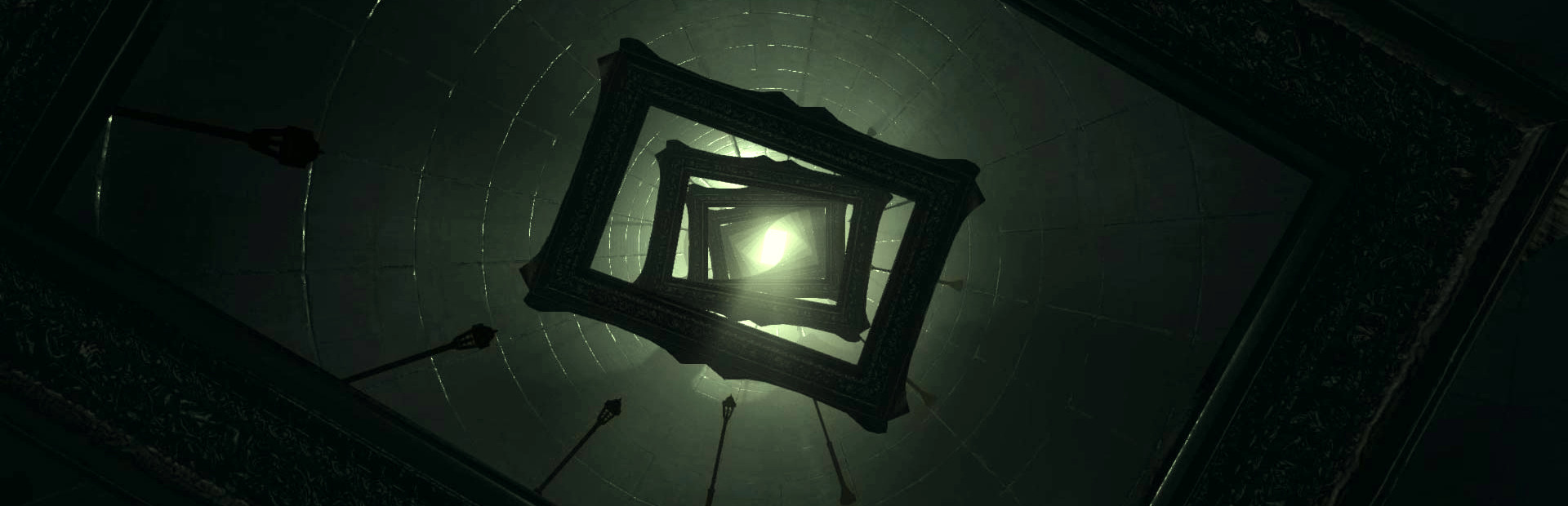
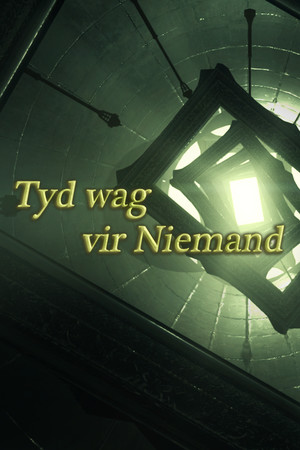
My first hour with Tyd wag vir Niemand felt like wandering through someone else's fever dream, and I mean that in the most respectful way. South African indie studio Skobbejak Games built something visually unlike almost anything else on PC: abstract, first-person environments that reviewers have compared to walking through a surrealist painting, with spinning architecture, colossal metal spheres orbiting serene fountains, and boats drifting in mid-air. The concept alone earned my attention. You are sent to investigate a mysterious pyramid in Antarctica, lose contact with HQ almost immediately, and find yourself transported through a strange machine into a sequence of dreamlike dimensions that, piece by piece, reveal themselves as fragmented personal memories. The story is sparse, delivered through plain text screens between levels rather than voiced narration or cutscenes, and that restraint is either atmospheric or frustrating depending on how patient you are with ambiguity. The core mechanic is time-slowdown on demand. Hold a trigger, the world crawls; release it, reality snaps back to full speed. On paper that is a clean, elegant tool. In practice, the game builds its ten levels around that single ability in ways that range from genuinely inventive to deeply aggravating. One level asks you to thread a moving ship through oncoming pillars by carefully timing your slowdown window, which has a real puzzle quality to it. Another has furniture hurtling across a corridor at margins so slim that players have reported restarting that section dozens of times before clearing it more by chance than skill. The difficulty is not the issue by itself. The issue is checkpoint placement: they are spread far apart, which means a single mistimed button press can send you back through long stretches of traversal you already solved. Player movement has also been flagged across multiple platforms as occasionally erratic, with a treacly resistance that makes precision platforming harder than it should be. All of that said, two things hold this game together and keep me from writing it off entirely. The visual design is genuinely polished and committed. The environments have a high degree of craft and consistency in their abstraction, and each of the ten levels carries its own distinct identity. The soundtrack is the other anchor. When it lands, it lands hard. It is ambient, slightly psychedelic, and timed well enough to the surreal imagery that it creates moments of real mood. The soundtrack was released separately, which tells you something about how seriously it was taken. Average playtime sits around five hours, so this is a short, focused experience rather than an epic, which is worth knowing before you sit down with it. Who is this for? Honestly, a narrow audience. If you respond to mood and handcrafted visual design over mechanical polish, and you have patience for a game that will occasionally feel broken before it feels rewarding, there is something here worth experiencing. If you need tight controls and fair checkpointing to stay engaged with a platformer, Tyd wag vir Niemand will lose you before it earns you. It sits in that uncomfortable space of being a genuinely interesting piece of work that has not quite finished becoming the game it wants to be.

Indie & narrative
Tags
System Requirements
Minimum
- OS
- Windows 7 32-bit
- Memory
- 2 GB RAM
- Storage
- 5 GB available space
- Graphics
- Nvidia Geforce 8800 OR ATI Radeon HD 3870 OR equivalent/higher
- Processor
- Dual Core
- Sound Card
- Direct X compatible
Recommended
- OS
- Windows 10 64-bit
- Memory
- 4 GB RAM
- DirectX
- Version 11
- Storage
- 5 GB available space
- Graphics
- Nvidia GTX 460 OR AMD Radeon HD 5770 OR equivalent/higher
- Processor
- Quad Core
- Sound Card
- Direct X compatible
Keep exploring
Community Discussion
Be the first to comment on Tyd wag vir Niemand (Time waits for Nobody).
Reviews & Ratings
No ratings available
Game Info
- Developer
- Skobbejak Games
- Publisher
- Skermunkel
- Release Date
- Jul 7, 2017