Twilight Struggle
The acclaimed Cold War board game comes to PC: a tense two-player card-driven strategy where every hand dealt could flip the globe, or trigger nuclear annihilation.
GamerScout Verdict
Best for strategy players who want a historically grounded, high-decision card game and do not mind a bruising learning curve.
Compare Prices(6 stores)
Every store in this table quotes us in euros, so the EUR figure is the price the seller actually set, not our arithmetic — which is why EUR is also the currency we rank in. We only list an offer here when the store gives us its price in euros, so nothing in this table is a number we invented.
Pick USD, PLN, GBP, CAD or AUD in the header and we convert from EUR at the European Central Bank reference rate — converted amounts are prefixed with ~. Your bank or the store may apply a different rate at checkout. We never hide offers based on where you are: everyone sees this whole table.
We may earn a commission when you buy games through links on this page — at no extra cost to you. It never affects our rankings or verdicts.
Price History
Screenshots & Media
About Twilight Struggle
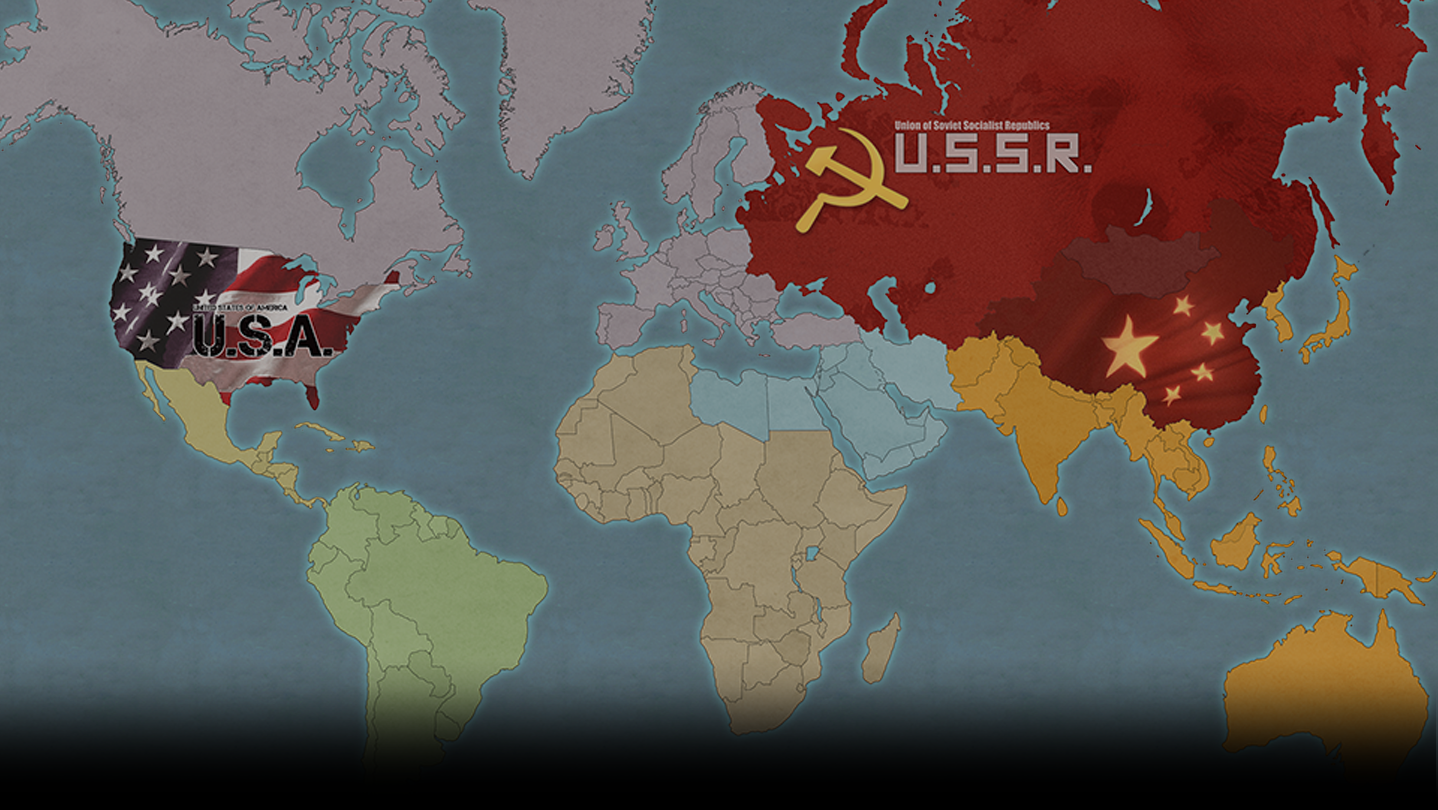
Twilight Struggle is a digital port of one of the most celebrated two-player board games ever printed, and it earns that reputation on PC. The setup is simple on paper: one player controls the US, the other the USSR, and you are both fighting for influence across the globe from the late 1940s through the late 1980s. The mechanism is a card-driven system where every card you play belongs to an era, Early War, Mid War, Late War, and every card carries a historical event that can fire for your opponent if you are not careful about when and how you use it. That tension between using a card for its Operations Points versus triggering a nasty event for the enemy side is the entire heartbeat of the game. It is tight, punishing, and endlessly replayable. For a strategy player who lives in spreadsheets, the decision density here is genuinely impressive. Board position matters in a layered way: you need regional scoring majorities, you need to avoid losing control of battleground states, you need to keep the DEFCON track from hitting 1 (which ends the game immediately in defeat for whoever caused it), and you have to manage the Space Race as a pressure valve for unplayable cards. There is no fog of war, both hands are hidden but the deck composition is public knowledge, which means a prepared player can track probability windows and opponent card counts. The AI on the higher difficulty settings will punish sloppy play, though experienced board game players may find it beatable with consistent lines once they internalize the scoring regions. The accessibility question is fair to raise. Twilight Struggle has a steep reputation, and the PC version does not completely dissolve that. The tutorial covers the basics but it does not walk you through the meta-game logic of card counting or realignment strategy, and a first-time player will lose their first several games to mechanisms they did not know existed. The honest advice is: treat the first three hours as paid education, read the in-game card reference, and do not be surprised when the Soviet player wins on Formosan Resolution. Once those early losses click into understanding, the game opens up considerably, and online asynchronous play against human opponents is where this one truly lives. The async system works cleanly, letting you take turns across days without both players needing to be online simultaneously. What the port lacks is meaningful post-launch content. There are no official expansions, no mod tools, and the visual presentation is functional rather than impressive, it is a digital board, not a reinvention of one. The AI also does not fully replicate the psychological pressure a human opponent applies. These are real limitations. But they do not undermine the core, because the core is a historically rich, mechanically layered design that holds up across hundreds of plays. If you have any interest in the Cold War as a setting, or in card-driven wargames as a genre, this is one of the cleanest on-ramps to that world on PC.

Strategy & simulation
Tags
System Requirements
Minimum
- Processor
- Intel Pentium or AMD equivalent
- Memory
- 1 GB RAM
- DirectX
- Version 9.0
- Storage
- 500 MB available space
- Sound Card
- Any
Keep exploring
Community Discussion
Be the first to comment on Twilight Struggle.
Reviews & Ratings
Game Info
- Developer
- Playdek, Inc.
- Publisher
- Asmodee Digital
- Release Date
- Apr 13, 2016