The House of Da Vinci 2
A handcrafted Renaissance puzzle-adventure built around mechanical 3D contraptions and time-travel secrets. If you liked Myst or The Room, this is worth your evening.
GamerScout Verdict
Best for puzzle fans who want tactile, handcrafted mechanisms and a focused runtime with zero filler.
Compare Prices(6 stores)
Every store in this table quotes us in euros, so the EUR figure is the price the seller actually set, not our arithmetic — which is why EUR is also the currency we rank in. We only list an offer here when the store gives us its price in euros, so nothing in this table is a number we invented.
Pick USD, PLN, GBP, CAD or AUD in the header and we convert from EUR at the European Central Bank reference rate — converted amounts are prefixed with ~. Your bank or the store may apply a different rate at checkout. We never hide offers based on where you are: everyone sees this whole table.
We may earn a commission when you buy games through links on this page — at no extra cost to you. It never affects our rankings or verdicts.
Price History
Screenshots & Media
About The House of Da Vinci 2
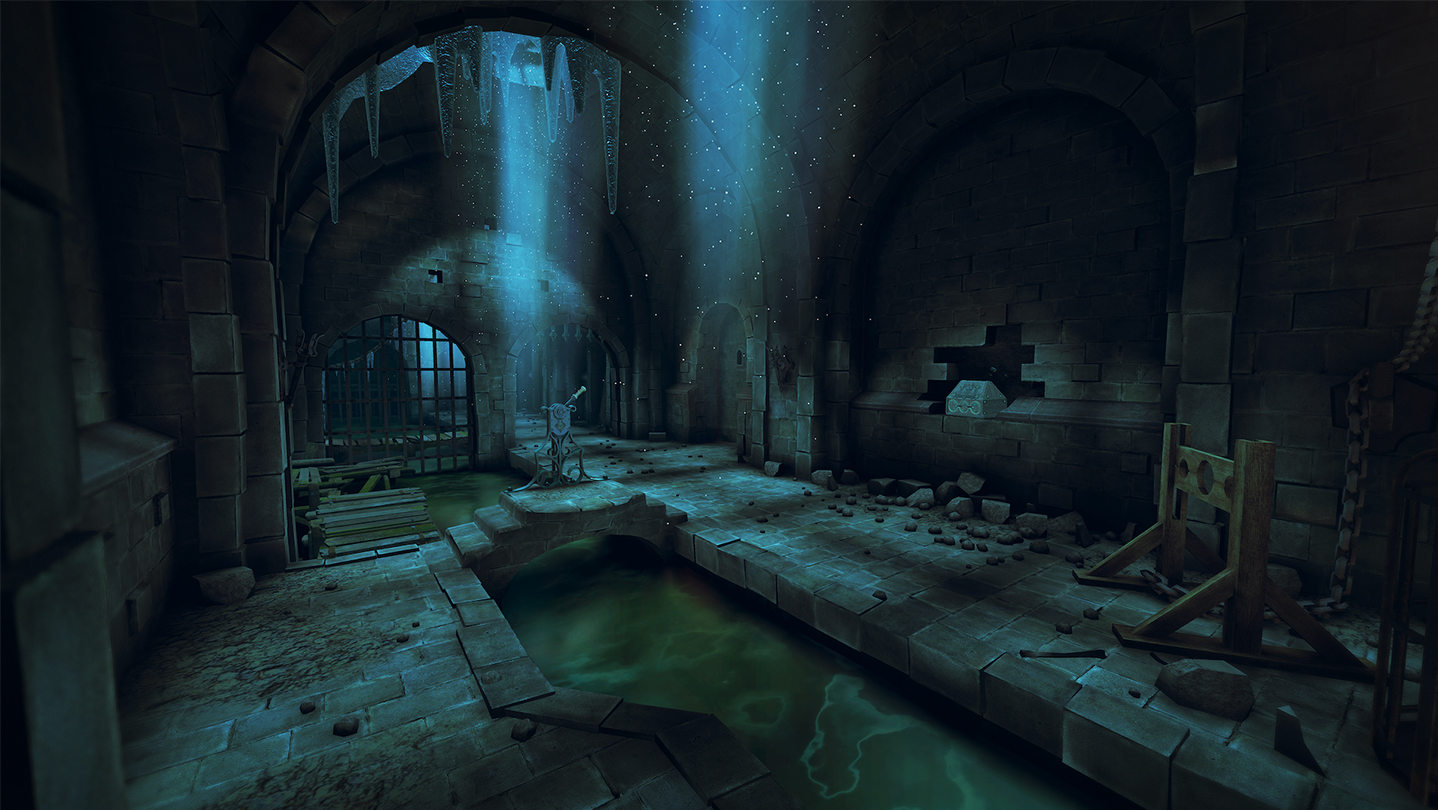
The House of Da Vinci 2 is a first-person puzzle-adventure that puts you in the boots of a young apprentice following the trail of Leonardo da Vinci across beautifully rendered Italian Renaissance environments. Blue Brain Games is a small studio, and this sequel carries all the fingerprints of a team that genuinely cares about craft. Each room feels considered. Each mechanism has weight. You are not clicking through menus - you are rotating bronze gear assemblies with your mouse, prying apart wooden casings to find hidden chambers, and slowly building a mental map of how one contraption feeds into the next. The centrepiece mechanic is a time-manipulation device that lets you observe objects in their past state, revealing components that have since been hidden, destroyed, or assembled. It sounds gimmicky, but Blue Brain uses it with real restraint. The game never leans on it as a crutch. Instead, it weaves the time-shift naturally into the puzzle logic so the moment you realise a solution requires looking at the room fifty years earlier, it feels earned rather than arbitrary. That kind of design discipline is rarer than it should be. The puzzle difficulty sits in a satisfying middle range. Veterans of The Room series will find the early chapters approachable, possibly breezy, but the back half sharpens considerably. There is a hint system if frustration tips over the edge, though the puzzles are logical enough that most players will want to resist it. The environments move through candlelit workshops, outdoor courtyards, and stone corridors, each with a distinct visual mood. The ambient soundtrack does something quietly impressive: it rarely announces itself, but when you notice it, the low strings and subtle percussion have already been setting the scene for ten minutes. Small studios get this right more often than big ones, and it stands out here. The narrative is serviceable rather than gripping. Da Vinci as a figure works well as a mysterious off-screen presence, and the apprentice framing gives you enough of a hook to care about the next discovery. But the story is clearly the vehicle, not the destination. If you come expecting dense lore or branching dialogue, you will be disappointed. If you come for the tactile satisfaction of working out a Renaissance clockwork mechanism with no hand-holding, you will feel at home. Playtime sits around five to seven hours, and the game knows when to stop. There is no padding. No filler area wedged in to inflate the runtime. The pacing respects your attention. Where it stumbles, slightly, is in the opening hour. The first chapter introduces mechanics carefully but moves slowly even by the standards of the genre. First-time players to the series may feel the game is holding back. It is. Stay with it. The puzzle design opens up considerably once the time device is fully in play, and the back half justifies the gentle warm-up. With a 91% positive rating across over two thousand Steam reviews, the audience that found it clearly agreed.

Indie & narrative
Tags
System Requirements
Minimum
- Processor
- 2.0 GHz Dual Core Processor
- Memory
- 4 GB RAM
- Graphics
- Video card with 1024MB of VRAM
- DirectX
- Version 9.0c
- Storage
- 7…
Recommended
- OS
- Windows 10
- Processor
- Intel Core i5
- Memory
- 8 GB RAM
- Graphics
- Nvidia GeForce GTX 970
- DirectX
- Version 10
- Storage
- 7 GB available space
Keep exploring
Community Discussion
Be the first to comment on The House of Da Vinci 2.
Reviews & Ratings
Game Info
- Developer
- Blue Brain Games
- Publisher
- Blue Brain Games
- Release Date
- May 28, 2020