Terror Lab
Skip it unless you collect curious misfires: Terror Lab is a barebones first-person horror crawl with a split community, near-zero narrative, and a feral monkey that kills you in one hit.
GamerScout Verdict
Only for horror completionists curious about rough solo-dev experiments - everyone else should look elsewhere.
Compare Prices(9 stores)
Every store in this table quotes us in euros, so the EUR figure is the price the seller actually set, not our arithmetic — which is why EUR is also the currency we rank in. We only list an offer here when the store gives us its price in euros, so nothing in this table is a number we invented.
Pick USD, PLN, GBP, CAD or AUD in the header and we convert from EUR at the European Central Bank reference rate — converted amounts are prefixed with ~. Your bank or the store may apply a different rate at checkout. We never hide offers based on where you are: everyone sees this whole table.
We may earn a commission when you buy games through links on this page — at no extra cost to you. It never affects our rankings or verdicts.
Price History
Screenshots & Media
About Terror Lab
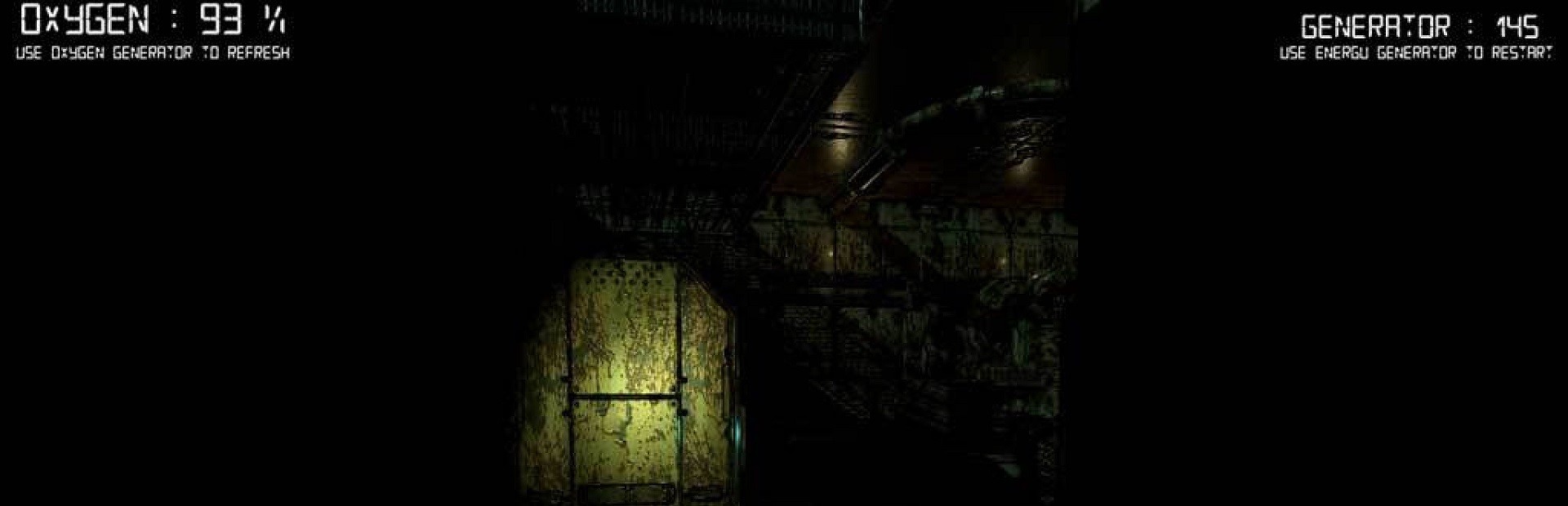
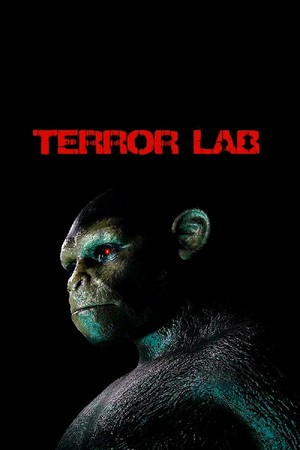
I went into Terror Lab hoping to find one of those quietly earnest little horror experiments that slips under the radar and rewards patience. What I found instead was something that sits in a strange, uncomfortable middle space between genuine prototype and released product, and the community reception reflects exactly that tension. The setup is first-person survival horror set inside a dark, abandoned laboratory. You wake with no memory, manage a draining oxygen meter that punishes every step, scavenge scattered flashbang grenades, and try not to get caught by two distinct threats: a silently lurking humanoid called the Doctor, whom a flashbang will momentarily stun but never stop, and a feral Monkey with erratic, unpredictable movement patterns that requires you to silence the room and use a movement detector to anticipate its approach. That mechanic description sounds like something with texture. In practice, the loop is: wander dark corridors with a weak flashlight, run out of oxygen, or take an instant-kill hit from something you never clearly saw coming. There is no story scaffolding, no hint system, no clear objective beyond survival. Players across the community have noted that there is no indication of where to go or what to do, and enemies can appear and kill you with almost no warning. The difficulty reads less as intentional design and more as the product of an unfinished game that shipped anyway. What complicates any simple dismissal is that the developer was genuinely responsive in the days immediately after launch. The game originally launched with rail-style movement, and within a single day of community feedback, full free-movement was patched in. That kind of turnaround is actually remarkable for a solo project, and it speaks to real intent. The interface, however, still bears the marks of a rush: no volume slider, no pause menu, and text throughout that reads like it was written in a second language and never proofread. The UI gaps are not charming roughness, they are friction that wears you down before the horror ever gets a chance to land. The atmosphere, to give it its small due, has a few moments. The darkness is committed, the sound palette occasionally sets a cold, clinical mood in the corridors, and the movement-detector mechanic for the Monkey has a seed of something genuinely unnerving in it. If you are the kind of player who finds rough, asset-assembled horror games interesting as objects in themselves, or if you want something to pull apart with friends for an hour of confused laughter, Terror Lab occupies that specific, limited niche. As a coherent horror experience with a beginning, middle, and end worth reaching, it does not deliver. The Steam community sits at a split verdict, and having spent time with it I can see both impulses clearly: the idea has a tiny heartbeat, but the execution never gave it room to breathe.

Indie & narrative
Tags
System Requirements
Minimum
- OS
- Windows 7/8/8.1/10
- Memory
- 2 GB RAM
- DirectX
- Version 10
- Storage
- 1 GB available space
- Graphics
- NVIDIA GeForce GT 240 (or better)
- Processor
- 2.0 GHz
- Sound Card
- Any
Keep exploring
Community Discussion
Be the first to comment on Terror Lab.
Reviews & Ratings
No ratings available
Game Info
- Developer
- Nicolas Bernard
- Publisher
- M.INDIE
- Release Date
- Mar 16, 2016