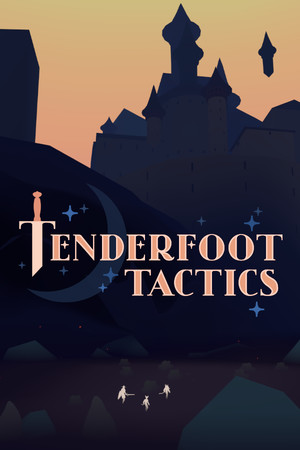
Tenderfoot Tactics
Grid tactics that models wildfire, soil moisture, and bog bodies - then wraps all of it inside a surreal open-world archipelago that refuses to hold your hand.
GamerScout Verdict
Best for tactics players who want a genuine elemental sandbox and can tolerate an overworld that values atmosphere over activity density.
Compare Prices(3 stores)
Every store in this table quotes us in euros, so the EUR figure is the price the seller actually set, not our arithmetic — which is why EUR is also the currency we rank in. We only list an offer here when the store gives us its price in euros, so nothing in this table is a number we invented.
Pick USD, PLN, GBP, CAD or AUD in the header and we convert from EUR at the European Central Bank reference rate — converted amounts are prefixed with ~. Your bank or the store may apply a different rate at checkout. We never hide offers based on where you are: everyone sees this whole table.
We may earn a commission when you buy games through links on this page — at no extra cost to you. It never affects our rankings or verdicts.
Price History
Screenshots & Media
About Tenderfoot Tactics
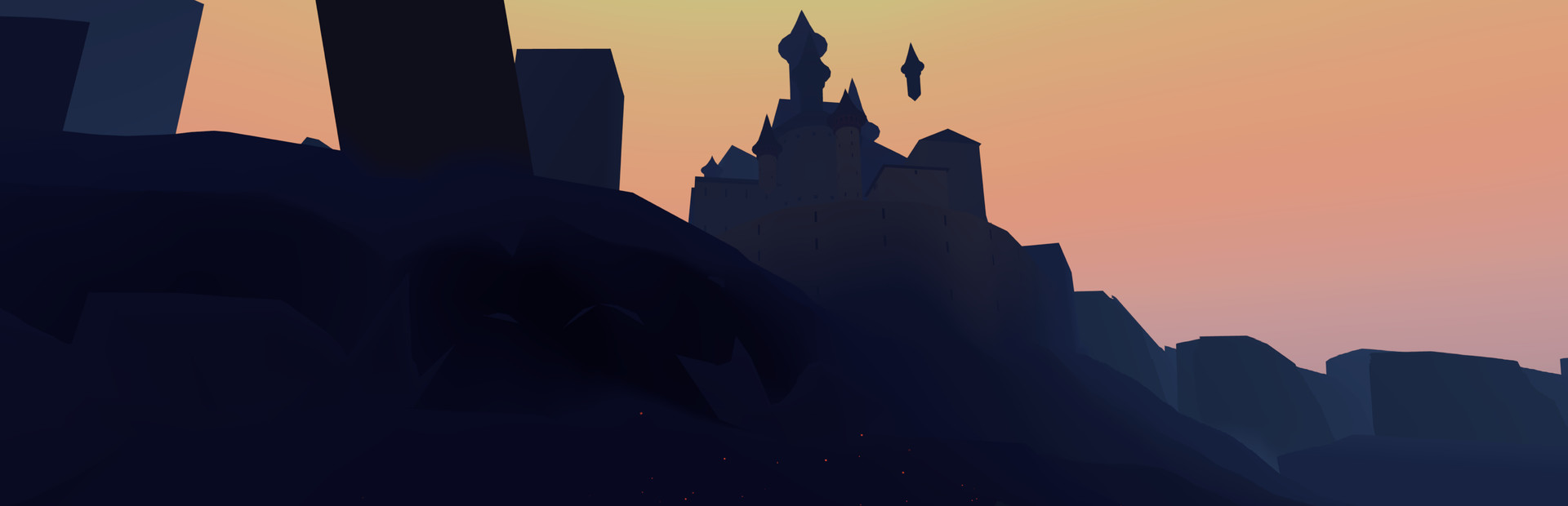
My spreadsheet instincts kicked in about twenty minutes into Tenderfoot Tactics, right around the moment I set a brushfire to corner an enemy patrol, watched the flames spread two tiles further than planned, and nearly torched my own healer. That chain reaction is the game's entire thesis: a fully deterministic, grid-based combat system with no random miss chances and no damage variance, yet outcomes that feel wildly unpredictable because the elemental interactions between terrain, water, plant growth, and fire run deeper than most tactics games bother to model. You can crack a ravine, flood it, then electrocute the pool. You can grow hindering brush and ignite it on your terms - or someone else's. The turn-order manipulation system, called "unnerve," lets you blindside enemies from the flank or rear to send them tumbling down the initiative queue, which opens up the kind of multi-move denial chains that tactics veterans will recognise as the good stuff. The class system rewards patience. Your goblins start in generic roles but branch into distinct combat and support archetypes as they level, and a single cross-class "memory" trait per goblin allows for meaningful multiclass builds without exploding into a combinatorial mess. Levelling happens on the battlefield itself - walk a goblin over dropped XP tokens, and if the stars align they level up mid-fight and fully heal. It is a small mechanic on paper and an enormous one in practice, regularly turning a near-wipe into a comeback you will describe to someone who does not care. The difficulty settings are generous, from newcomer-friendly presets through fully customisable parameters, so the game is actually a reasonable entry point for players newer to the sub-genre - something I would not say lightly about a title that had EDGE magazine reaching for the word "genius." The overworld is where Tenderfoot earns its stranger reputation. There is no minimap with a glowing quest marker. Maps exist, found out in the world, but they do not show your position - you use a bird scouting mode, pulling the camera skyward to spot landmarks and plan routes manually. Islands range across red deserts, autumnal forests, and damp fog-smothered woodland. The world literally assembles itself as you walk through it: grass and trees shoot up from nothing, the sea phases in at the coast, hills undulate. It is deeply weird and completely deliberate. Enemy encounters are visible on the overworld and avoidable if you choose, and fleeing a lost battle costs you no permanent progress - you return to your last rest point with your goblins intact. Challenging but not punishing is the correct summary. The weaknesses are real. The freeform structure means the mid-game can feel directionless in a way that tips from atmospheric to aimless depending on your tolerance for wandering. Combat frequency, while individually engaging, can grind into repetition on longer sessions when the elemental sandbox stops producing novel configurations. The overworld emptiness is a deliberate artistic choice - no junk collectibles, no questgiver laundry lists - but players who read "open world" and expect dense systemic content will feel the gap. The playtime window of roughly 25 to 35 hours for full exploration is honest and appropriate, not padded. If your tactics library lives between Final Fantasy Tactics and Divinity: Original Sin 2 and you have been waiting for something that takes terrain interaction seriously without burying it in fifty UI panels, this is the one. Solo developer Kevin Maxon built something that sits outside any obvious genre box, and that is both its greatest asset and the reason it will not click with everyone. Go in knowing the overworld is meditative, not action-packed, and the combat system will reward the hours you put into reading it.

Strategy & simulation
Tags
System Requirements
Minimum
- OS
- Windows 7 SP1+
- Memory
- 2 GB RAM
- Storage
- 1 GB available space
- Graphics
- Dedicated GPU with SM4+
- Processor
- 2.5 GHz
Keep exploring
Community Discussion
Be the first to comment on Tenderfoot Tactics.
Reviews & Ratings
No ratings available
Game Info
- Developer
- Kevin Maxon
- Publisher
- Ice Water Games
- Release Date
- Oct 21, 2020