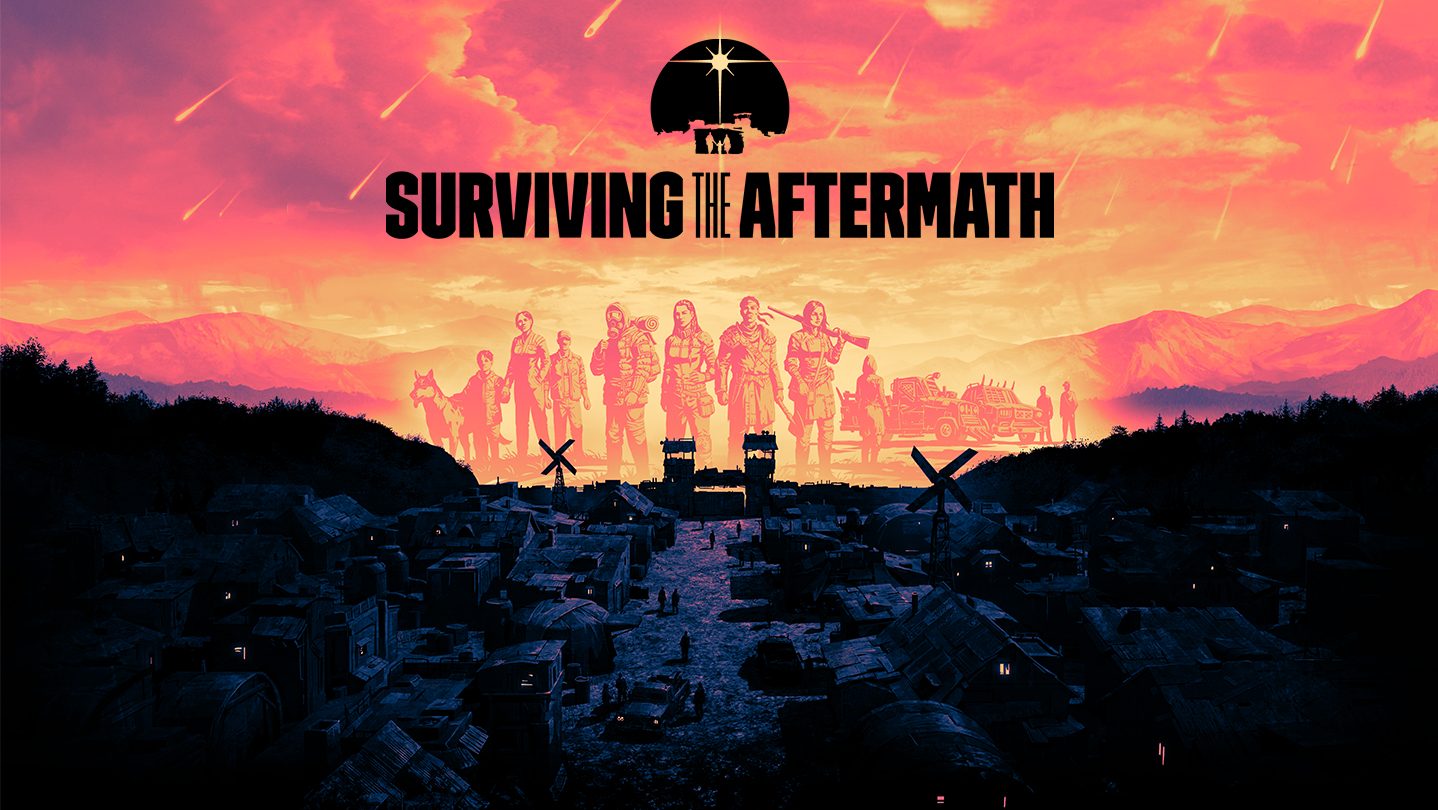
Surviving the Aftermath
Solid post-apocalyptic colony management with an addictive build loop, undercut by RNG cruelty, a weak tutorial, and late-game resource bottlenecks that punish patience more than poor planning.
GamerScout Verdict
Worth picking up on sale for colony-sim fans who can tolerate RNG variance and a tutorial that teaches by attrition.
Compare Prices(7 stores)
Every store in this table quotes us in euros, so the EUR figure is the price the seller actually set, not our arithmetic — which is why EUR is also the currency we rank in. We only list an offer here when the store gives us its price in euros, so nothing in this table is a number we invented.
Pick USD, PLN, GBP, CAD or AUD in the header and we convert from EUR at the European Central Bank reference rate — converted amounts are prefixed with ~. Your bank or the store may apply a different rate at checkout. We never hide offers based on where you are: everyone sees this whole table.
We may earn a commission when you buy games through links on this page — at no extra cost to you. It never affects our rankings or verdicts.
Price History
Screenshots & Media
About Surviving the Aftermath
My spreadsheet instincts fired up the moment I hit the world map layer in Surviving the Aftermath and realised the game was running two completely separate decision spaces at once: a colony-building layer where you queue up over 130 structures, manage food chains, water tables, and housing density, and an overworld layer where named specialists scout tiles, skirmish with bandit factions, and haul back resources your colony desperately needs. That dual-layer structure is the game's strongest idea. The loop between them feels purposeful early on, and the tech tree drip-feeds unlocks at a rhythm that kept me pushing past bedtime more than once. For newcomers to the genre, the approachability is genuine but comes with a caveat. The learning curve on core systems is shallow enough that a Frostpunk or Anno tourist can orient themselves without a wiki, but the tutorial itself is thin to the point of negligence. Instructions around the mid-game Doomsday Bunker questline, which requires converting specialists into engineers and establishing outposts, are especially vague, and the game never clearly communicates how much research of each type is required to move forward. That gap between "accessible mechanics" and "helpful guidance" is a real friction point. The good news is that the difficulty customisation at the start, where you configure the nature of the apocalypse itself, gives new players meaningful agency over how hard the early hours bite. Where the game loses points with me is in the late-game RNG taxation. Procedurally generated maps can place rare metal deposits in deeply inconvenient spots, and because advanced extraction tech sits behind a long research chain, a bad seed can stall your colony before you have the tools to fix it. Resource bottlenecks in the back half feel less like earned difficulty and more like map-roll luck. On top of that, the event system, which periodically fires off binary choices, almost never carries real consequence. Bandits raid, pandemics decimate a third of your population, firestorms knock down buildings, but the moral weight Frostpunk wrings out of similar systems is absent here. The post-apocalyptic setting is window dressing rather than a design lever. The specialist system deserves more credit than it gets in the discourse. Recruiting scouts, fighters, and scavengers with distinct skill profiles and sending them out on world-map missions is genuinely enjoyable, and vehicles extend their action-point range in ways that open up the mid-game map nicely. The main campaign questline that anchors these deployments is thin storytelling, told through still screens and text, but it does give progression a directional pull. There are several DLC packs released post-launch, though community reception to those has been tepid, and the base game is complete enough to stand on its own without them. Visuals are functional at best, muddy in the early tiers when grey tents blur into grey ground, and the UI clarity degrades as your colony scales. Bottom line for strategy players: this sits comfortably in the second tier of the genre. It will not replace Frostpunk or even Endzone: A World Apart as your primary colony sim, but at the right price it delivers a repeatable, numbers-satisfying loop with just enough specialist micro to keep a management brain occupied. Go in with your eyes open about the tutorial gaps and the RNG ceiling, and you will probably get genuine mileage out of it.

Strategy & simulation
Tags
System Requirements
Minimum
- Processor
- Intel® iCore™ i5-2500K or AMD® Phenom™ II X6 1090T
- Memory
- 4 GB RAM
- Graphics
- Nvidia® GeForce™ GTX 580 or AMD® Radeon™ HD 7870
- DirectX
- Version 11
- Storage
- 4 GB available sp…
Recommended
- OS
- Windows® 10 Home 64 bit
- Processor
- Intel® iCore™ i5-3570K or AMD® Ryzen™ 3 2200G
- Memory
- 8 GB RAM
- Graphics
- Nvidia® GeForce™ GTX770 or AMD® Radeon™ R…
DLC & Add-ons for Surviving the Aftermath6
Expansions, DLC packs and add-on content for this game. Click any item to see store offers.

Keep exploring
Community Discussion
Be the first to comment on Surviving the Aftermath.
Reviews & Ratings
Game Info
- Developer
- Iceflake Studios
- Publisher
- Paradox Interactive
- Release Date
- Nov 16, 2021