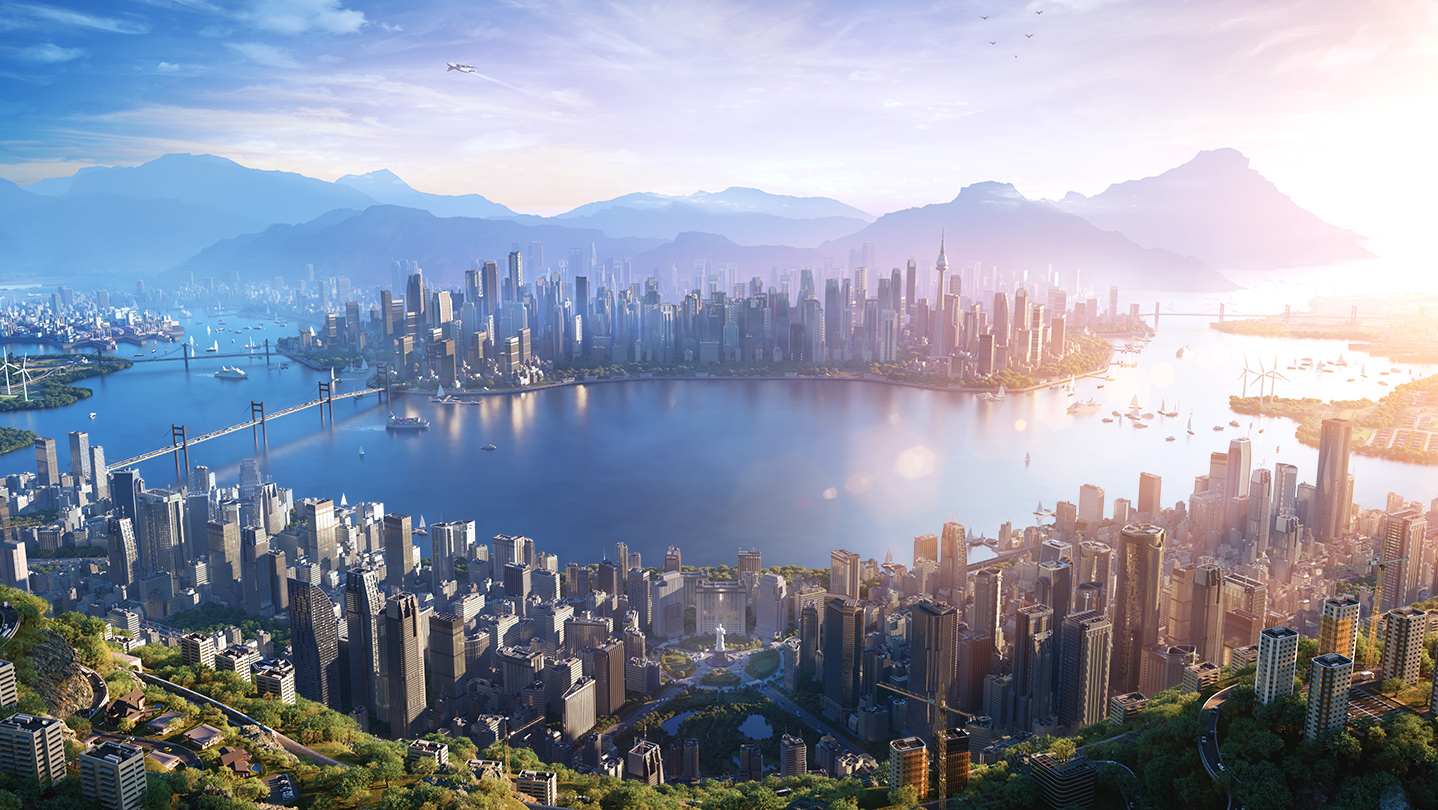
Cities Skylines 2
Cities: Skylines 2 promises the deepest city-builder yet, but a rough launch and performance woes mean the dream city comes with real-world frustrations.
GamerScout Verdict
A deep city-builder with real ambition, undercut by performance problems and a mod ecosystem that is still catching up to its predecessor.
Compare Prices(7 stores)
Every store in this table quotes us in euros, so the EUR figure is the price the seller actually set, not our arithmetic — which is why EUR is also the currency we rank in. We only list an offer here when the store gives us its price in euros, so nothing in this table is a number we invented.
Pick USD, PLN, GBP, CAD or AUD in the header and we convert from EUR at the European Central Bank reference rate — converted amounts are prefixed with ~. Your bank or the store may apply a different rate at checkout. We never hide offers based on where you are: everyone sees this whole table.
We may earn a commission when you buy games through links on this page — at no extra cost to you. It never affects our rankings or verdicts.
Price History
Screenshots & Media
About Cities Skylines 2
Cities: Skylines 2 is a city-building simulation from Iceflake Studios that asks you to grow a settlement from a handful of dirt roads into a sprawling, traffic-choked metropolis. The pitch is ambitious: a more granular simulation than its predecessor, with individual citizen agents following daily routines, a dynamic economy that reacts to zoning and policy decisions, and larger maps to fill with residential sprawl and industrial zones. On paper, this is the city-builder that fans of the original have been waiting for since 2015. On practice, the story is more complicated. The simulation depth, when it works, is genuinely impressive. Zoning decisions ripple outward in ways that feel logical. Place a landfill upwind of a residential district and watch property values slide. Under-invest in public transit and your road network clogs during rush hour in ways that are painful and educational in equal measure. The policy and budget screens give you real levers to pull, and the progression from unlocking new building types to managing a city in the hundreds of thousands of residents has a satisfying arc. For players who treat city-builders as puzzle games rather than sandbox toys, there is a lot to engage with here. The problems, though, are hard to ignore. Performance is the loudest complaint in the community, and it is earned. Even on capable hardware, large cities push frame rates into uncomfortable territory. The simulation occasionally produces results that feel broken rather than emergent, with traffic pathfinding making decisions that no human driver would consider and citizen behavior that can loop in ways that tank city services for no visible reason. The modding ecosystem, which carried the original game for a decade, launched in a much more limited state. Workshop support arrived after launch and the toolset is still maturing, so do not expect the Cities: Skylines 1 mod library to port over cleanly or quickly. For newcomers to the genre, the tutorial does a reasonable job of introducing core concepts: zoning, utilities, road hierarchy, and budget balance. It does not hold your hand through mid-game complexity, which is where most new players will hit a wall. The jump from a small town to a functional city of 50,000 involves understanding traffic flow, transit networks, and service coverage in ways the game gestures at but does not fully teach. That gap is bridgeable with community guides, but it is a gap worth knowing about before you sit down expecting a gentle onboarding experience. The bottom line is that Cities: Skylines 2 is a game with genuine ambition and real simulation depth, released before it was ready to carry the weight of those ambitions. The 54 percent Steam rating reflects a community that wanted the definitive city-builder and instead got a promising, unfinished version of one. Patches have improved stability and performance since launch, and the trajectory is positive, but the mod ecosystem and AI polish that made its predecessor a ten-year staple are not there yet. If you have patience for a game that is still finding its footing, the bones here are worth your time. If you are coming from Cities: Skylines 1 expecting a polished upgrade, manage those expectations carefully.

Strategy & simulation
Tags
System Requirements
Minimum
- OS
- Windows® 10 Home 64 Bit
- Processor
- Intel® Core™ i7-6700K | AMD® Ryzen™ 5 2600X
- Memory
- 8 GB RAM
- Graphics
- Nvidia® GeForce™ GTX 970 (4 GB) | AMD® Radeon™…
Recommended
- OS
- Windows® 10 Home 64 Bit | Windows® 11
- Processor
- Intel® Core™ i5-12600K | AMD® Ryzen™ 7 5800X
- Memory
- 16 GB RAM
- Graphics
- Nvidia® GeForce™ RTX 3080 (…
DLC & Add-ons for Cities Skylines 21
Expansions, DLC packs and add-on content for this game. Click any item to see store offers.
Keep exploring
Community Discussion
Be the first to comment on Cities Skylines 2.
Reviews & Ratings
Game Info
- Developer
- Iceflake Studios
- Publisher
- Paradox Interactive
- Release Date
- Oct 24, 2023