Strangeland
Wadjet Eye's darkest corner hides one of the sharpest point-and-click adventures in years: a surreal carnival built from grief, body horror, and Norse myth that earns its 93% Steam rating almost entirely on atmosphere and craft.
GamerScout Verdict
Best for point-and-click fans who want dense atmosphere and thematic ambition over a long runtime or a tidy ending.
Compare Prices(5 stores)
Every store in this table quotes us in euros, so the EUR figure is the price the seller actually set, not our arithmetic — which is why EUR is also the currency we rank in. We only list an offer here when the store gives us its price in euros, so nothing in this table is a number we invented.
Pick USD, PLN, GBP, CAD or AUD in the header and we convert from EUR at the European Central Bank reference rate — converted amounts are prefixed with ~. Your bank or the store may apply a different rate at checkout. We never hide offers based on where you are: everyone sees this whole table.
We may earn a commission when you buy games through links on this page — at no extra cost to you. It never affects our rankings or verdicts.
Price History
Screenshots & Media
About Strangeland
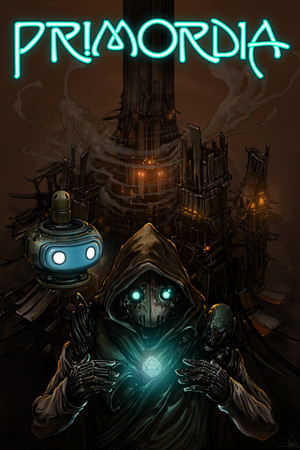
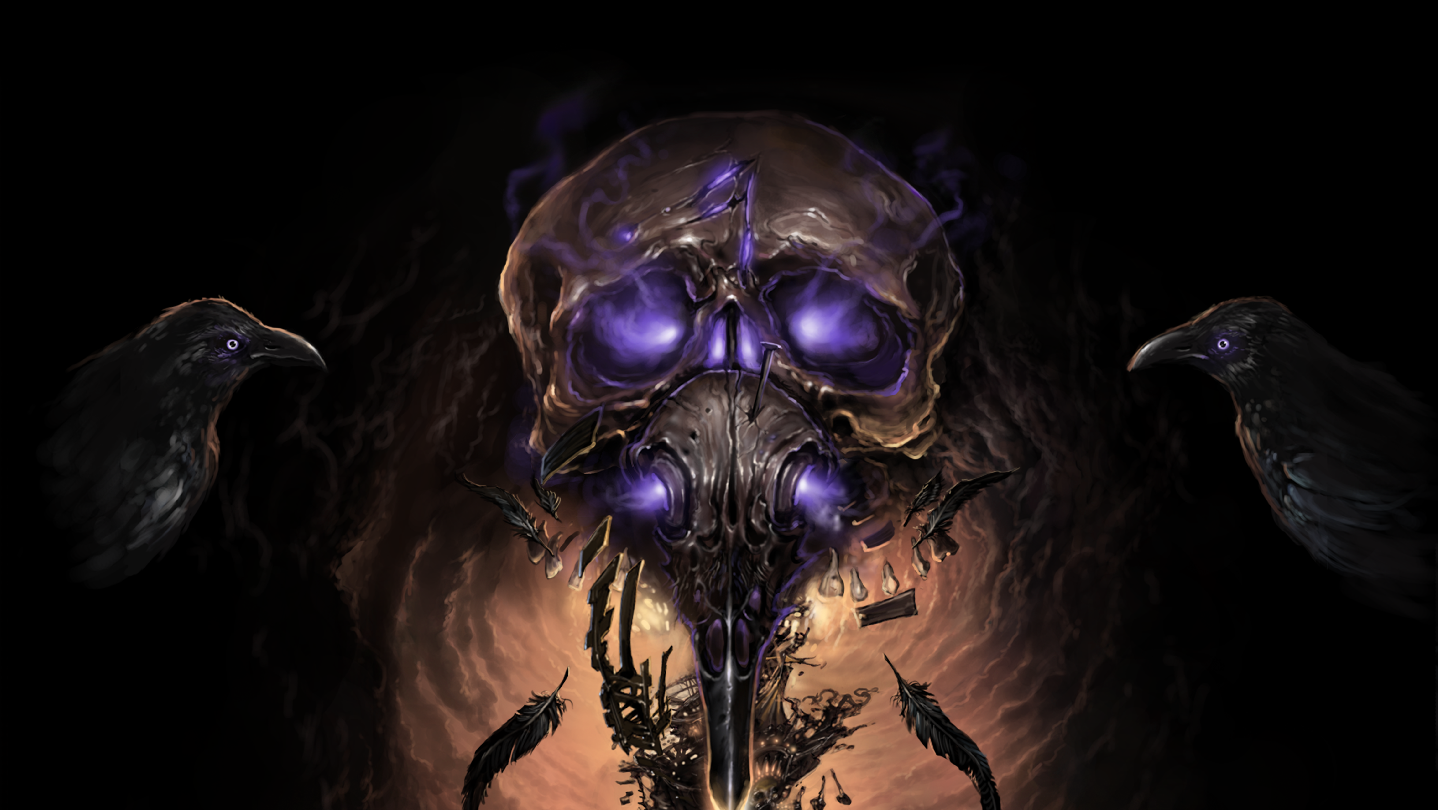
My first hour with Strangeland felt like someone had handed me a Rorschach test and asked me to pick up items from it. You play a nameless amnesiac in a straitjacket, dropped into a floating, decomposing carnival where death is a revolving door and every NPC speaks in riddles. It sounds deliberately obtuse, but Wormwood Studios keeps the experience surprisingly playable by anchoring its weirdness in fair, well-constructed puzzle logic. Mechanically, this is a classic point-and-click: move between screens, collect objects, combine them, solve environmental puzzles. What sets it apart is how consistently the puzzle design serves the setting. You forge a blade by feeding iron from a ravenous hound's jaws, honed through in-world rituals that feel thematically coherent rather than arbitrary. There are multiple solutions to several puzzles, which is rare and welcome. An optional hint system, delivered in-character through a sarcastic telephone operator, means you never have to consult a walkthrough unless you actively want to. The scroll-wheel inventory and double-click exit shortcuts show that the developers thought hard about keeping friction low, even in a world that is philosophically hostile to comfort. The cast is where Strangeland earns its most enthusiastic defenders. Characters like Fimbul, an old man whose eyes were eaten by a talking raven, and Murmur, a disembodied fortune-teller, are memorable and strange without tipping into self-parody. Voice acting across the board is strong, with Abe Goldfarb's lead performance carrying real weight. The pixel art draws comparisons to H.R. Giger and M.C. Escher with some justification: the environments are muted, fleshy, and genuinely unsettling rather than generically spooky. The original soundtrack, a collection of droning dark synth, does heavy atmospheric lifting throughout. Thematically, the game is processing grief, guilt, self-destruction, and identity through a Jungian carnival mirror. It handles those subjects with more sophistication than most games twice its length. The weaknesses are real but narrow. The runtime sits at roughly four to five hours, which some players will find undersized for the emotional investment the story demands. The ending is the most consistently criticised element: narrative threads that build with real intricacy through the middle sections get resolved in a rush of exposition that undercuts the symbolic complexity of everything before it. A handful of puzzles also lean on logic that is more carnival-dream than human-brain, and one time-limited sequence involving repeated teleportation through scenes can be genuinely tedious on first contact. Players coming straight from Primordia may also find the nameless protagonist harder to bond with than that game's more defined cast. If you can sit with ambiguity, enjoy stories that trust you to do interpretive work, and want a point-and-click that avoids the genre's worst moon-logic habits, Strangeland is worth the short runtime. The developer commentary and annotation mode included at launch are a genuine bonus for a second pass. Just go in knowing the destination is less satisfying than the journey.

Catch-all
Tags
System Requirements
Minimum
- OS
- Windows 7, 8, 10, XP SP2
- Processor
- 2.7 GHz Dual Core (and above, can run on single core)
- Memory
- 2 GB RAM
- Graphics
- Direct3D, OpenGL, DirectX 5
- Storage
- 2 GB available space
- Sound Card
- Any
Keep exploring
Community Discussion
Be the first to comment on Strangeland.
Reviews & Ratings
Game Info
- Developer
- Wormwood Studios
- Publisher
- Wadjet Eye Games
- Release Date
- May 25, 2021