Primordia
Roughly six hours of post-apocalyptic robot philosophy that hits harder than games ten times its size. A Wadjet Eye gem that the genre hasn't forgotten.
GamerScout Verdict
Essential for point-and-click fans who want their puzzles grounded and their stories genuinely philosophical.
Compare Prices(5 stores)
Every store in this table quotes us in euros, so the EUR figure is the price the seller actually set, not our arithmetic — which is why EUR is also the currency we rank in. We only list an offer here when the store gives us its price in euros, so nothing in this table is a number we invented.
Pick USD, PLN, GBP, CAD or AUD in the header and we convert from EUR at the European Central Bank reference rate — converted amounts are prefixed with ~. Your bank or the store may apply a different rate at checkout. We never hide offers based on where you are: everyone sees this whole table.
We may earn a commission when you buy games through links on this page — at no extra cost to you. It never affects our rankings or verdicts.
Price History
Screenshots & Media
About Primordia
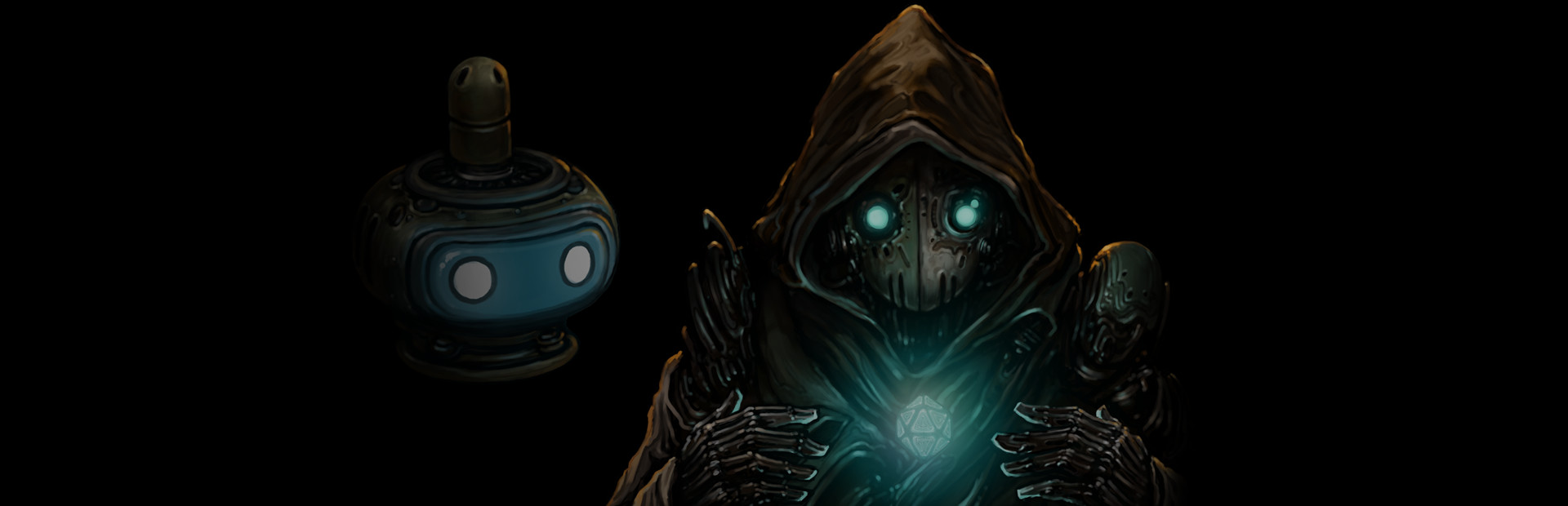
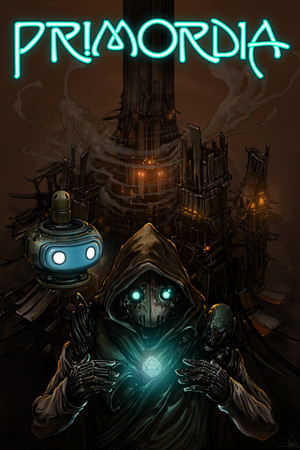
I keep coming back to Primordia the way I come back to a worn paperback I've already underlined twice. Wormwood Studios built this thing in three people over two years, and the handcraft shows in every rusted pixel. You are Horatio Nullbuilt, a stoic android living alone in a derelict airship called the U.N.N.I.I.C., stranded in a vast desert waste where humans are not a faded memory so much as a contested myth. When a heavy, laser-armed robot called Scraper breaks in and steals your power core, what starts as a stripped-down survival quest spirals into something that asks genuinely uncomfortable questions: what does it mean to be made, to worship, to belong? This is a classic point-and-click built on Adventure Game Studio, low-resolution and proud of it. Left-click interacts, right-click examines, and a drop-down panel at the top of the screen keeps every control within reach. Inventory items can be combined and applied to any hotspot you find; puzzles lean on real-world logic rather than adventure-game nonsense, a quality reportedly rooted in writer Mark Yohalem's legal background. You will not be expected to use a rubber chicken on a pulley here. Most blockages resolve once you slow down and read the environment carefully. A few puzzles do require genuine lateral thinking, and at least one number-based challenge will make you pause. When you are truly stuck, Crispin, your self-built floating companion (voiced with dry wit by Abe Goldfarb), doubles as an in-world hint system. Asking him for help feels like an in-character concession rather than breaking the fourth wall, which is a small design grace that the genre rarely gets right. The world is built across more than fifty hand-drawn rooms, and the sepia, rust-soaked palette Victor Pflug chose will divide people. On a modern 4K monitor it can look murky, and occasional hotspot-hunting in dark corners remains a genuine friction point. But once you adjust to the resolution, the character designs are striking: robots that carry the weight of their own mythology, from a bomb-worshipping monk-droid to MetroMind, a former transit-management AI who now runs the city of Metropol with a velvet grip. The cast of characters who populate that city of glass and light is where the writing really opens up, with dialogue that touches on faith, autonomy, justice, and the question of whether your memories define you or merely describe you. Nathaniel Chambers and Victor Pflug's soundtrack sits somewhere between dark ambient and dystopian western. Comparisons to Vangelis's Blade Runner score are not hyperbole. It hums and pulses under the dialogue in a way that is easy to overlook and impossible to replace. The voice cast is a further strength: Logan Cunningham, familiar from Supergiant's catalogue, gives Horatio a gruff authority that earns its quiet emotional payoffs. The game runs around six to seven hours on a first pass, and multiple endings, reportedly numbering close to seven distinct outcomes depending on how you navigate the final confrontation with MetroMind, give completionist players a reason to save and reload near the close. The endings are uneven, and the most instinctive choice leads to one of the flattest resolutions. Plan to experiment. Primordia is not a showcase piece. It is dense, intentional, and emotionally patient in a way that only happens when a small team believes completely in what they are making. If dark ambient soundscapes and crumbling robot civilizations doing theology at each other sounds like your kind of evening, this one will stay with you for years.

Indie & narrative
Tags
System Requirements
Minimum
- OS
- Windows XP SP2 or above
- Memory
- 2 GB
- Storage
- 1.5 GB
- Graphics
- DirectX 5 or above compatibility
- Processor
- Pentium or higher processor
Keep exploring
Community Discussion
Be the first to comment on Primordia.
Reviews & Ratings
No ratings available
Game Info
- Developer
- Wormwood Studios
- Publisher
- Wadjet Eye Games
- Release Date
- Dec 5, 2012
