
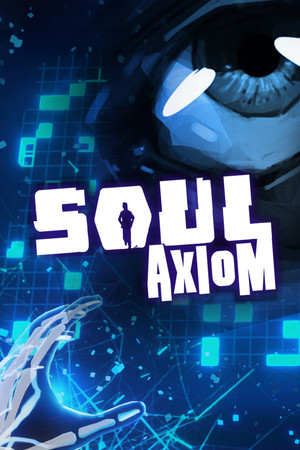
Soul Axiom
A Tron-tinted fever dream about digital death with a hand-powers system that tantalises more than it delivers - worth it if atmosphere counts as currency for you.
GamerScout Verdict
Best for atmosphere-first players who can forgive thin puzzle design in exchange for a genuinely weird, handcrafted cyber-afterlife to get lost in.
Compare Prices(4 stores)
Every store in this table quotes us in euros, so the EUR figure is the price the seller actually set, not our arithmetic — which is why EUR is also the currency we rank in. We only list an offer here when the store gives us its price in euros, so nothing in this table is a number we invented.
Pick USD, PLN, GBP, CAD or AUD in the header and we convert from EUR at the European Central Bank reference rate — converted amounts are prefixed with ~. Your bank or the store may apply a different rate at checkout. We never hide offers based on where you are: everyone sees this whole table.
We may earn a commission when you buy games through links on this page — at no extra cost to you. It never affects our rankings or verdicts.
Price History
Screenshots & Media
About Soul Axiom
My first instinct with Soul Axiom was pure affection: a small Welsh studio building a cyber-afterlife called Elysia, filling it with 40 wildly varied locations spanning gothic hospitals, tropical ruins, and starships, all threaded together by a mystery about who you are and why you ended up here. That concept alone is doing a lot of heavy lifting, and for the opening stretch it mostly works. You fall into the world with no memory, no name, and no context - and Wales Interactive trusts you to piece things together through collected PEMOs (Personal Message Objects, little monkey figurines that carry emails, news clippings, and letters from the outside world) and short animated memory cutscenes that unlock between levels. It is a genuinely unusual way to carry a narrative, and when the fragments click together there is real texture here. The hand-powers system is where the game stakes its mechanical identity. You accumulate three abilities over the course of the early chapters: a blue phase power that materialises and dematerialises objects, a green play-and-pause power that moves environmental pieces and locks them in position, and a yellow destructive ability that blasts things apart. Each power color-codes interactable objects in the environment, which serves as a gentle hint system without turning the whole thing into a guided tour. The idea of combining these tools is genuinely clever, and the occasional puzzle that actually demands you switch between all three in sequence lands with satisfying weight. Sadly, that is the ceiling rather than the floor. Too many puzzles devolve into scanning the room for highlighted objects and hitting them in order until something opens. The powers never feel truly fused into the world in the way a Portal or Ether One manages - the protagonist is rarely allowed to apply them in unexpected or inventive directions, which mutes what should be the game's strongest card. Environmental variety is Soul Axiom's other selling point, and here Wales Interactive does flex real creative ambition. Jumping from a Tron-style neon server hub out to an Indiana Jones-flavored jungle temple, then back to a moody space vessel, keeps the pacing from going completely flat. The soundtrack earns its praise too - each location carries a distinct audio identity, and the sound design quietly reinforces the sense of digital wrongness that the story needs. The atmosphere is genuinely creepy in places, unsettling in a soft-edged way rather than relying on cheap shocks. Voice acting is rougher, carrying little emotional weight and occasionally pulling you out of the mood the rest of the game works hard to build. Where Soul Axiom loses me is in its structural honesty. It claims over 20 hours of content across 6 chapters and 100-plus puzzles, but the moment-to-moment experience thins out long before the credits. The story is fragmented by design, which I can respect, but it tips too easily into incoherence - multiple reviewers finished the game without clarity on who the villain was or what the final act actually resolved. Multiple endings exist, which implies replayability, but revisiting the same shallow puzzles to reach a different narrative conclusion is a hard sell. There are also residual bugs and rough performance hitches that Wales Interactive never fully addressed after launch, and community forum activity from the studio went quiet. What you see is what you get. For players who are drawn to first-person puzzle adventures primarily for mood, world-building, and a strange premise to sit with, Soul Axiom offers something the bigger titles in its genre don't replicate. Elysia has a specific, handmade sadness to it - the idea that your uploaded soul is wandering through corrupted memories of people who are already gone carries real weight when the game lets it breathe. Fans of Master Reboot will find the familiar visual language comforting. But anyone coming primarily for puzzle depth or narrative payoff should expect an experience that promises more than it closes out.

Indie & narrative
Tags
System Requirements
Minimum
- OS
- Windows 7 64-bit
- Memory
- 2 GB RAM
- DirectX
- Version 11
- Storage
- 5 GB available space
- Graphics
- NVIDIA GeForce GTX 260 / AMD Radeon HD 5750. OpenGL 3.3
- Processor
- Core i3 / AMD A6 2.4Ghz
Keep exploring
Community Discussion
Be the first to comment on Soul Axiom.
Reviews & Ratings
Game Info
- Developer
- Wales Interactive
- Publisher
- Wales Interactive
- Release Date
- Feb 29, 2016