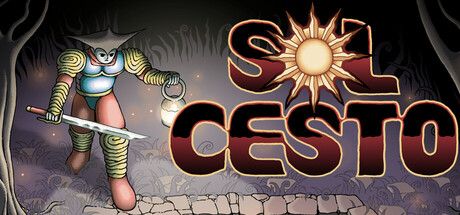
Sol Cesto
Push-your-luck dungeon crawling stripped to its bones: pick a row, pray to the probability gods, and slowly rig the odds in your favor across five biomes of increasingly nasty surprises.
GamerScout Verdict
Worth it for fans of Balatro-style luck-rigging, but expect a rough first few hours before the meta-progression finally starts paying out.
Compare Prices(7 stores)
Every store in this table quotes us in euros, so the EUR figure is the price the seller actually set, not our arithmetic — which is why EUR is also the currency we rank in. We only list an offer here when the store gives us its price in euros, so nothing in this table is a number we invented.
Pick USD, PLN, GBP, CAD or AUD in the header and we convert from EUR at the European Central Bank reference rate — converted amounts are prefixed with ~. Your bank or the store may apply a different rate at checkout. We never hide offers based on where you are: everyone sees this whole table.
We may earn a commission when you buy games through links on this page — at no extra cost to you. It never affects our rankings or verdicts.
Price History
Screenshots & Media
About Sol Cesto
I'll be upfront: my first instinct when I saw Sol Cesto was skepticism. A roguelite built around choosing one of four rows on a grid and hoping for the best sounds like it has about as much strategic weight as a coin flip. Forty runs later, I understand exactly why it's sitting at a strong approval rating on Steam. The surface simplicity is the trap, and falling for it is the tutorial. The core loop works like this: each dungeon floor is a 4x4 grid populated with enemies, healing strawberries, treasure chests, and traps. You pick a row, and your character lands on a random tile within it. That single constraint is the entire engine. What makes it a strategy game rather than a slot machine is the layered probability manipulation that accumulates over a run. Stone Teeth alter the weighted odds of which tile you land on. Metal Teeth add combat effects. Character-specific solar skills let you move vertically as well as horizontally, opening routing options the base grid denies you. Enemies have physical or magical attack ratings you must match or beat to avoid taking damage, so your stat investments in Strength and Magic matter down to single-point margins. By the mid-game you are not gambling blindly; you are managing a carefully rigged casino where you built the rigging yourself, and one bad tooth choice can unravel the whole structure. That tension is where the game lives. The seven playable characters - Warrior, Knight, Mage, Lizard, Vampire, Archer, and Peasant - each play differently enough to warrant separate run strategies. Beginners should start with the Warrior or Knight: the Warrior is the balanced generalist, the Knight leans on extra health to survive the opening floors while you are still learning the probability curves. The Peasant is the most narrative-rich pick, with a unique progression branch and a secret ending, but is punishingly weak until you have several meta-upgrades in place. That leads to the one structural criticism worth naming clearly: early meta-progression is slow to the point of feeling hostile. Gold must be sent to the surface through a well mid-run to count toward permanent upgrades. Die before doing so and you lose it. The first several hours can produce runs that yield nothing, and the gap between a fresh account and a developed one is wide enough that some characters feel borderline broken until you fund their specific upgrades. The system is not badly designed but it is ungenerous, and new players should go in knowing it gets meaningfully better once the unlock graph starts compounding. What nobody seems to argue about is the presentation. The art direction, handled by comic artist Chariospirale, is genuinely unlike anything else in the roguelite space right now: dense, hand-crafted, and macabre in a way that reads as intentional rather than edgy. Enemy designs across the five biomes are inventive, boss encounters have personality (the difficulty curve between them is uneven, with the second boss notorious for being the hardest in the game), and the UI is one of the cleaner examples of probability information being surfaced cleanly to the player without cluttering the screen. Run times sit at roughly 30 to 60 minutes depending on character and skill level, which makes it a strong session-length fit for Steam Deck or any context where you want contained sessions rather than open-ended sprawl. Sol Cesto will not satisfy players who want to feel in full control of their fate. The RNG floor is real and the early grind can test patience. But for anyone drawn to the genre of calculated risk-taking that Balatro and Inscryption helped establish - games where you are competing against randomness rather than being subject to it - there is genuine depth here once the systems open up.

Strategy & simulation
Tags
System Requirements
Minimum
- OS
- Windows Vista or newer
- Memory
- 1 GB RAM
- DirectX
- Version 9.0
- Storage
- 300 MB available space
- Graphics
- WebGL compatible graphic card
- Processor
- 1 GHz processor
Recommended
- OS
- Windows 10
- Memory
- 4 GB RAM
- DirectX
- Version 12
- Storage
- 300 MB available space
- Graphics
- WebGL compatible graphic card
- Processor
- 2 GHz dual-core processor
Keep exploring
Community Discussion
Be the first to comment on Sol Cesto.
Reviews & Ratings
No ratings available
Game Info
- Developer
- Tambouille
- Publisher
- Goblinz Publishing
- Release Date
- Apr 10, 2026