Skul: The Hero Slayer
Skul is a skull-swapping roguelite platformer where each run hands you a wildly different moveset. Fast, crunchy, and surprisingly deep for an indie.
GamerScout Verdict
Solid roguelite with a genuinely clever gimmick - best for action-platformer fans willing to push past a punishing first hour.
Compare Prices(6 stores)
Every store in this table quotes us in euros, so the EUR figure is the price the seller actually set, not our arithmetic — which is why EUR is also the currency we rank in. We only list an offer here when the store gives us its price in euros, so nothing in this table is a number we invented.
Pick USD, PLN, GBP, CAD or AUD in the header and we convert from EUR at the European Central Bank reference rate — converted amounts are prefixed with ~. Your bank or the store may apply a different rate at checkout. We never hide offers based on where you are: everyone sees this whole table.
We may earn a commission when you buy games through links on this page — at no extra cost to you. It never affects our rankings or verdicts.
Price History
Screenshots & Media
About Skul: The Hero Slayer
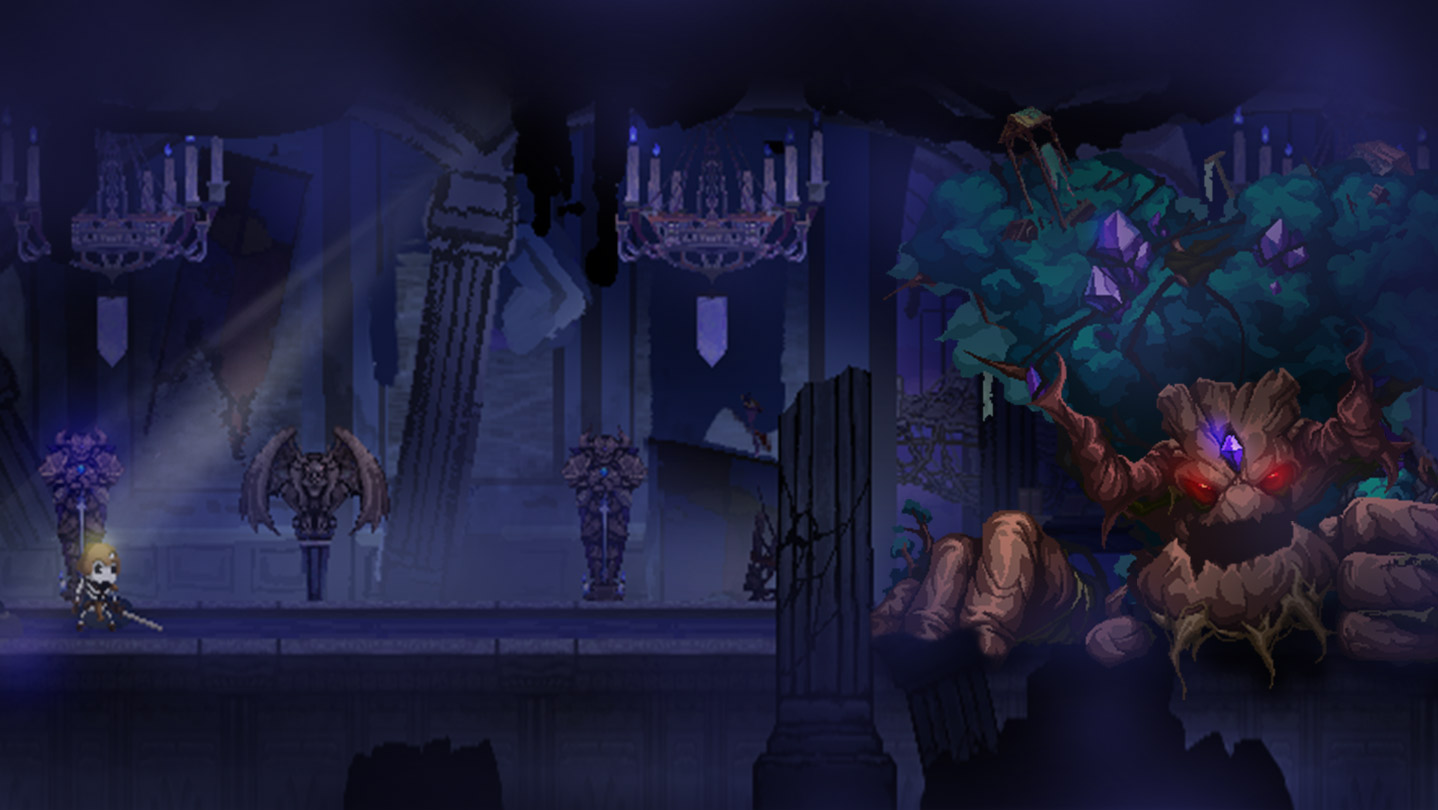
Skul: The Hero Slayer is a 2D action roguelite from SOUTHPAW GAMES where you play as a small skeleton soldier whose entire combat system revolves around one mechanic: swapping skulls. Each skull you pick up is essentially a different character class, complete with its own attack animations, special moves, and passive traits. You carry two at a time and can hot-swap between them mid-combo. On one run you might be a martial-arts monk with rapid jabs and a spinning kick finisher. The next, you are some kind of cursed dullahan dragging a massive spectral blade across the floor. The variety here is genuinely impressive, and it is the engine that keeps the game alive across dozens of hours. For players who bounced off roguelites because they felt repetitive, Skul makes a strong case. There are over a hundred skull types at launch, divided into rarity tiers, and synergies between your two equipped skulls add another layer of build-crafting without ever becoming homework. The upgrade shop between stages lets you enhance skulls or flip them into higher-rarity variants, so there is a constant low-level thrill of watching a mid-tier skull evolve into something filthy by stage three. The pacing of a run sits around 40 to 60 minutes, which feels calibrated. Tight enough to stay tense, long enough to let a build breathe. The pixel art deserves a proper mention, because SOUTHPAW clearly put time into it. Boss sprites are chunky and expressive, the hero enemies you fight (adventurers, knights, mages coming to stop you, since the story inverts the usual fantasy framing) are readable in motion without being bland. The soundtrack leans into a driving, percussive style that keeps your fingers moving. It is not the kind of OST you will loop at your desk, but it earns its place in the chaos without ever grating. The criticisms are real, though. The early game is rougher than it should be. Your first handful of runs will likely end in the second biome because Skul without upgraded skulls hits soft and dies fast, and the difficulty curve does not hold your hand at all. There is also a structural sameness to the stages themselves: the skull variety keeps things fresh, but the level layouts feel procedurally workmanlike rather than inspired. The narrative framing (you are rescuing the Demon King from a human empire) is charming in concept and mostly background noise in execution. If you came for story depth, you will leave a little hungry. Where Skul succeeds is in that specific roguelite joy of a run clicking into place. When your dual-skull combination suddenly makes sense, when you realize your ghost-type passive is stacking with your secondary skull's on-hit effect and things are melting, that feedback loop is genuinely satisfying. It is a game made by people who understood the genre and added one focused, clever idea on top. For an indie with a smaller footprint than its competition, that focus matters more than feature breadth. If you have patience for the early friction and any affection for the genre, Skul rewards the investment.

Indie & narrative
Tags
System Requirements
Minimum
- Processor
- Intel i5+
- Memory
- 4 GB RAM
- Graphics
- Nvidia 450 GTS / Radeon HD 5750 or better
- Storage
- 500 MB available space
Recommended
- Processor
- Dual core from Intel or AMD at 2.8 GHz
- Memory
- 8 GB RAM
- Graphics
- Nvidia GTX 460 / Radeon HD 7800 or better
- DirectX
- Version 12
- Storage
- 2 GB available space Additional Not…
DLC & Add-ons for Skul: The Hero Slayer1
Expansions, DLC packs and add-on content for this game. Click any item to see store offers.
Keep exploring
Community Discussion
Be the first to comment on Skul: The Hero Slayer.
Reviews & Ratings
Game Info
- Developer
- SOUTHPAW GAMES
- Publisher
- NEOWIZ
- Release Date
- Jan 20, 2021