Shogun's Empire: Hex Commander
A pocket-sized Sengoku grand strategy that gets the two-layer loop right, even if the AI won't put up much of a fight in the late game.
GamerScout Verdict
Worth a look for genre newcomers at a low price, but strategy veterans will find the AI ceiling too low to hold their attention past a few clans.
Compare Prices(2 stores)
Every store in this table quotes us in euros, so the EUR figure is the price the seller actually set, not our arithmetic — which is why EUR is also the currency we rank in. We only list an offer here when the store gives us its price in euros, so nothing in this table is a number we invented.
Pick USD, PLN, GBP, CAD or AUD in the header and we convert from EUR at the European Central Bank reference rate — converted amounts are prefixed with ~. Your bank or the store may apply a different rate at checkout. We never hide offers based on where you are: everyone sees this whole table.
We may earn a commission when you buy games through links on this page — at no extra cost to you. It never affects our rankings or verdicts.
Price History
Screenshots & Media
About Shogun's Empire: Hex Commander
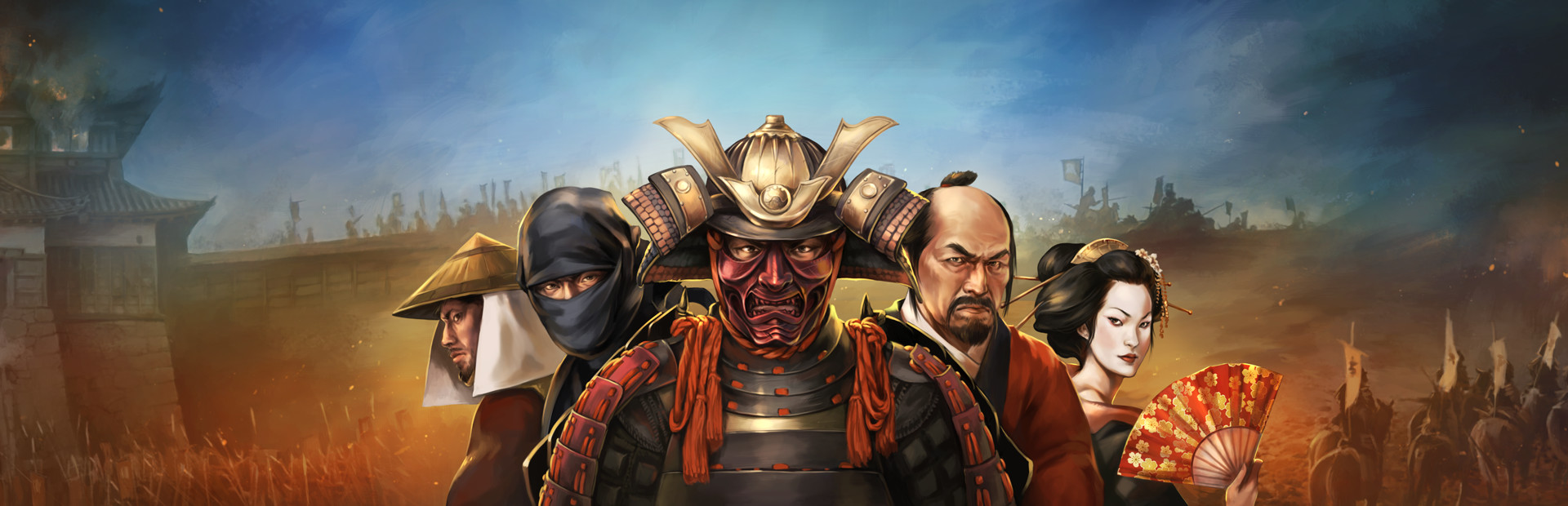
My first instinct with any mobile port landing on PC is scepticism, and Shogun's Empire: Hex Commander earns about half of that scepticism back by the end of a first session. The structure is immediately legible to anyone who has touched a Paradox title or Total War: you run a province-level strategy layer where rice, gold, honor, and diplomacy intersect, then drop into hex-grid tactical battles to resolve the fighting. The two layers are simpler than anything Creative Assembly ships, but the ratio of decisions-per-minute to cognitive load is genuinely comfortable, which makes it a more honest entry point than it first appears. On the strategy map, you pick one of 15 historical clans and start juggling economy and expansion across a turn-based calendar measured in months. Feeding your armies costs rice, which costs gold, which means every new unit you recruit has an ongoing maintenance cost that caps how many armies you can sustain simultaneously. Honor doubles as a diplomatic currency: let it decay by sitting idle for six consecutive months and your trading prices suffer. The game actively punishes turtling, which I respect. Alliances exist, but player reviews and the game's own beginner documentation are candid that rival clans will break treaties when it suits them, so treat diplomacy as a tempo tool rather than a long-term security blanket. The tactical battles are where the mobile DNA shows most clearly. Unit composition matters in a rock-paper-scissors sense: yari ashigaru, sword samurai, cavalry, ranged archers, riflemen, and cannons each have defined roles and counter-relationships. Generals attach to armies, boosting morale and raising the unit cap per force. Soldiers earn experience across battles and grow more effective over time, which gives you a reason to preserve veterans rather than just throwing bodies at a province. Castle siege battles add cannons to the equation and change terrain priorities noticeably. None of this is deep by the standards of Tactics Ogre or Into the Breach, but the system is clean enough that a newcomer can reason through a fight without a manual. Here is where I have to be straight with you: the AI is the game's most documented weakness. Opponent move patterns become readable fast, and experienced strategy players will hit the strategic ceiling within a handful of campaigns. Repetitiveness compounds that problem once you have seen most clan starting positions. The save system has also drawn consistent criticism, with the cloud-only approach frustrating players who want a local mid-campaign save. Technical stability has been a recurring complaint too, with multiple users reporting crash-and-won't-relaunch issues that forced reinstalls. The Steam user score sits around 77 percent across a small sample, which reads as "enjoyable with reservations" rather than any kind of endorsement for enthusiasts. There is no mod ecosystem to speak of, and no multiplayer. This is a solo, contained experience. That said, the PC version ships with all content unlocked that was paywalled or ad-gated on mobile, which is a meaningful upgrade in value. The art direction pulls from historical Japanese paintings, seasonal cycles shift the battlefield visuals, and the Japanese voice-overs add atmosphere at no extra cognitive cost. For a strategy newcomer who wants a low-pressure introduction to the province-management plus tactical-battle genre before committing to something like Nobunaga's Ambition, this is actually a reasonable on-ramp. The contextual tips and in-game help system are functional, not condescending. You will run out of meaningful decisions before the credits roll, but you will understand the genre better for having played it.

Strategy & simulation
Tags
System Requirements
Minimum
- OS
- Windows 10
- Memory
- 512 MB RAM
- DirectX
- Version 10
- Storage
- 300 MB available space
- Graphics
- 256 MB VRAM
- Processor
- Core 2 Duo or equivalent - 1.5 GHz or higher
- Sound Card
- DirectX compatible
Recommended
- OS
- Windows 10
- Memory
- 1 GB RAM
- DirectX
- Version 10
- Storage
- 300 MB available space
- Graphics
- 1 GB VRAM
- Processor
- Core 2 Duo or equivalent - 1.5 GHz or higher
- Sound Card
- DirectX compatible
Keep exploring
Community Discussion
Be the first to comment on Shogun's Empire: Hex Commander.
Reviews & Ratings
No ratings available
Game Info
- Developer
- Home Net Games
- Publisher
- Home Net Games
- Release Date
- Jun 27, 2019