Compare Romopolis prices across 50+ stores and find the best deal. Developed by Lonely Troops. Published by Lonely Troops. Released on 5/18/2016. Available on PC, Mac, Linux. Genres: Casual, Indie, Simulation.

If your city-builder itch only has 15 minutes to scratch, Romopolis delivers a tight, Roman-themed puzzle-box loop - but strategy veterans expecting Caesar III depth will bounce off it fast.

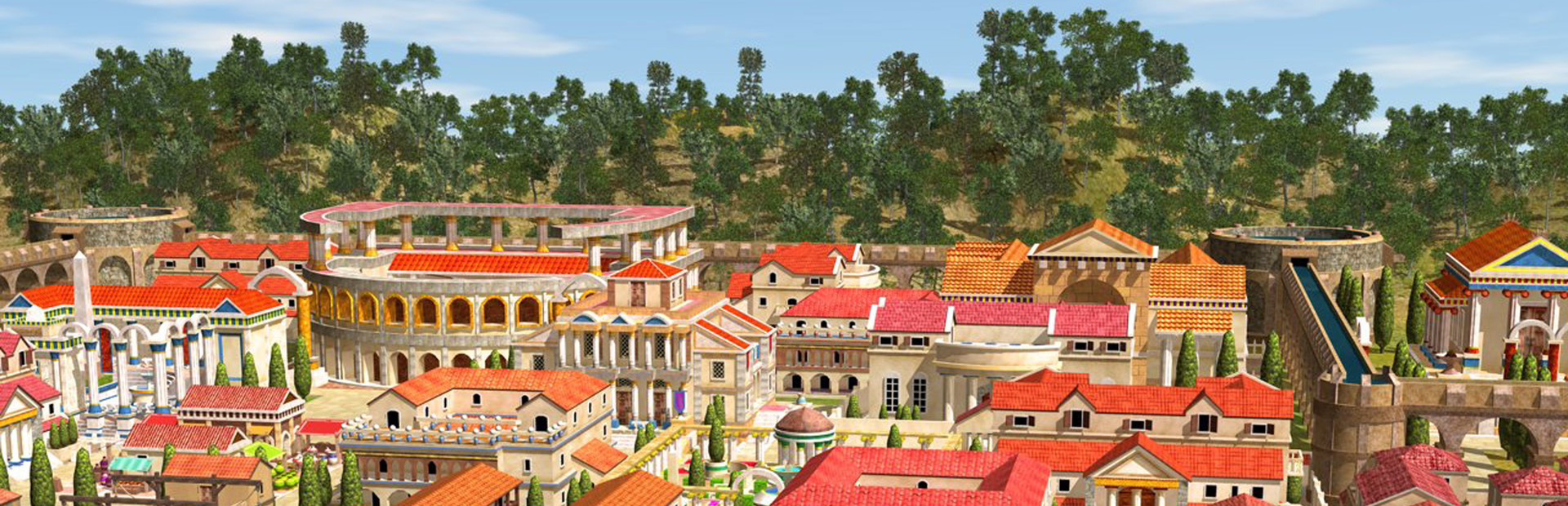
I went into Romopolis expecting a lightweight warm-up, and that is exactly what it is - for better and worse. The game sits closer to a mobile time-management puzzler than a traditional city-builder, and the sooner you make peace with that framing, the more you will enjoy the roughly three-to-four hours the 24-campaign missions will take. Each scenario drops you onto a compact 5x5 grid - obstacles included - and asks you to hit income, fame, or building-count targets within a clock that ranges from about three minutes on the opener to fifteen minutes at the high end of the campaign. The pause button is your best friend here, and Lonely Troops sensibly lets you strip the timer entirely for a fully relaxed run. The income loop is the mechanical heart of the game. Houses generate rent, but that rent scales with how well you satisfy their residents' demands. A basic shrine is enough for a modest hut, but high-end mansions require all eight available public buildings just to pay the standard rate. Stack gardens nearby and you push that income higher still. Trade route concessions, paved roads, and sewer upgrades - Roman-flavored touches that fit the setting reasonably well - layer on top of that. It is not deep, but it does force you to think about placement order and sequencing, which is where the mild strategic pull lives. The criticisms are real though. The first half of any given level is thin on decisions because your building options are narrow until resources accumulate. Reviewers have consistently flagged pacing as the biggest drag - there is a stretch in early campaign stages where you are essentially waiting for rent to tick up before you can act. The game also lacks a buy-and-sell mechanic that genre peers like the Build-a-Lot series built their tension around, which flattens the mid-level decision space. The "sandbox" mode sounds more open than it is: it functions as a scenario editor for building custom challenge maps, not a freeform city canvas. If you boot it up expecting an empty map to fill, you will be confused. For the audience this actually suits - commuters, achievement hunters, parents with fifteen-minute windows - Romopolis is genuinely well-suited. The tutorial is clear, the Roman aesthetic is charming without being lavish, and the 22 Steam achievements give completionists a structured reason to replay levels for gold-medal times. Cross-platform support across PC, Mac, and Linux is a small but appreciated detail. Just do not come in expecting the strategic texture of Caesar III or Anno; this is a bite-sized puzzler wearing a toga, and it knows it. Diego, Scout Team

Romopolis
CasualIndieSimulation

Romopolis

May 18, 2016Lonely Troops
GamerScout Says

If your city-builder itch only has 15 minutes to scratch, Romopolis delivers a tight, Roman-themed puzzle-box loop - but strategy veterans expecting Caesar III depth will bounce off it fast.

PCMacLinux
Best Price Available
0.00
at N/A
Historical low: $0.36

Compare Prices(0 stores)

Loading prices...

We may earn a commission when you buy games through links on this page — at no extra cost to you. It never affects our rankings or verdicts.

Screenshots & Media

Screenshot

About Romopolis

I went into Romopolis expecting a lightweight warm-up, and that is exactly what it is - for better and worse. The game sits closer to a mobile time-management puzzler than a traditional city-builder, and the sooner you make peace with that framing, the more you will enjoy the roughly three-to-four hours the 24-campaign missions will take. Each scenario drops you onto a compact 5x5 grid - obstacles included - and asks you to hit income, fame, or building-count targets within a clock that ranges from about three minutes on the opener to fifteen minutes at the high end of the campaign. The pause button is your best friend here, and Lonely Troops sensibly lets you strip the timer entirely for a fully relaxed run. The income loop is the mechanical heart of the game. Houses generate rent, but that rent scales with how well you satisfy their residents' demands. A basic shrine is enough for a modest hut, but high-end mansions require all eight available public buildings just to pay the standard rate. Stack gardens nearby and you push that income higher still. Trade route concessions, paved roads, and sewer upgrades - Roman-flavored touches that fit the setting reasonably well - layer on top of that. It is not deep, but it does force you to think about placement order and sequencing, which is where the mild strategic pull lives. The criticisms are real though. The first half of any given level is thin on decisions because your building options are narrow until resources accumulate. Reviewers have consistently flagged pacing as the biggest drag - there is a stretch in early campaign stages where you are essentially waiting for rent to tick up before you can act. The game also lacks a buy-and-sell mechanic that genre peers like the Build-a-Lot series built their tension around, which flattens the mid-level decision space. The "sandbox" mode sounds more open than it is: it functions as a scenario editor for building custom challenge maps, not a freeform city canvas. If you boot it up expecting an empty map to fill, you will be confused. For the audience this actually suits - commuters, achievement hunters, parents with fifteen-minute windows - Romopolis is genuinely well-suited. The tutorial is clear, the Roman aesthetic is charming without being lavish, and the 22 Steam achievements give completionists a structured reason to replay levels for gold-medal times. Cross-platform support across PC, Mac, and Linux is a small but appreciated detail. Just do not come in expecting the strategic texture of Caesar III or Anno; this is a bite-sized puzzler wearing a toga, and it knows it. Diego, Scout Team

Tags

singleplayerachievementstrading-cardscloud-savestier:sub-5Time-Management PuzzleGrid-Based BuildingScenario EditorAchievement HuntingMobile PortTimed MissionsRelaxed ModeRoman ThemeShort Sessions

System Requirements

Minimum

OS
Windows 10
Memory
1 GB RAM
DirectX
Version 11
Storage
200 MB available space
Graphics
DirectX 10.0 compatible
Processor
x86-64 compatible

Recommended

OS
Windows 11
Graphics
DirectX 11.0 compatible

Community Discussion

Be the first to comment on Romopolis.

Reviews & Ratings

No ratings available

Game Info

Developer
Lonely Troops
Publisher
Lonely Troops
Release Date
May 18, 2016

Price Alert

Get notified when the price drops below your target!

Create Alert

Price History

2026-06-100.36(lowest)

More from Lonely Troops

Buy smarter: helpful guides

Looking for more? See games like Romopolis

Frequently asked questions about Romopolis

How much does Romopolis cost?

Romopolis pricing changes often and varies by store, edition and region. The live price table on this page compares the cheapest in-stock key and store offers across 50+ verified shops, so you always see the current lowest price before you buy.

Where can I buy Romopolis cheapest?

Compare Romopolis prices across every verified store in the price table on this page. We list the cheapest in-stock key and store offers, updated regularly, so you always see the best current deal before you buy.

What platforms is Romopolis available on?

Romopolis is available on PC, Mac, Linux.

When was Romopolis released?

Romopolis was released on 18 May 2016.

Who developed Romopolis?

Romopolis was developed by Lonely Troops.