RIOT: Civil Unrest
A real-time crowd-control sim where you command either riot police or protesters across real-world conflict scenarios. Brutal, slow-burn, and deliberately uncomfortable.
GamerScout Verdict
Worth it for niche sim fans who can tolerate rough AI and pathing in exchange for genuinely uncomfortable asymmetric crowd tactics.
Compare Prices(4 stores)
Every store in this table quotes us in euros, so the EUR figure is the price the seller actually set, not our arithmetic — which is why EUR is also the currency we rank in. We only list an offer here when the store gives us its price in euros, so nothing in this table is a number we invented.
Pick USD, PLN, GBP, CAD or AUD in the header and we convert from EUR at the European Central Bank reference rate — converted amounts are prefixed with ~. Your bank or the store may apply a different rate at checkout. We never hide offers based on where you are: everyone sees this whole table.
We may earn a commission when you buy games through links on this page — at no extra cost to you. It never affects our rankings or verdicts.
Price History
Screenshots & Media
About RIOT: Civil Unrest
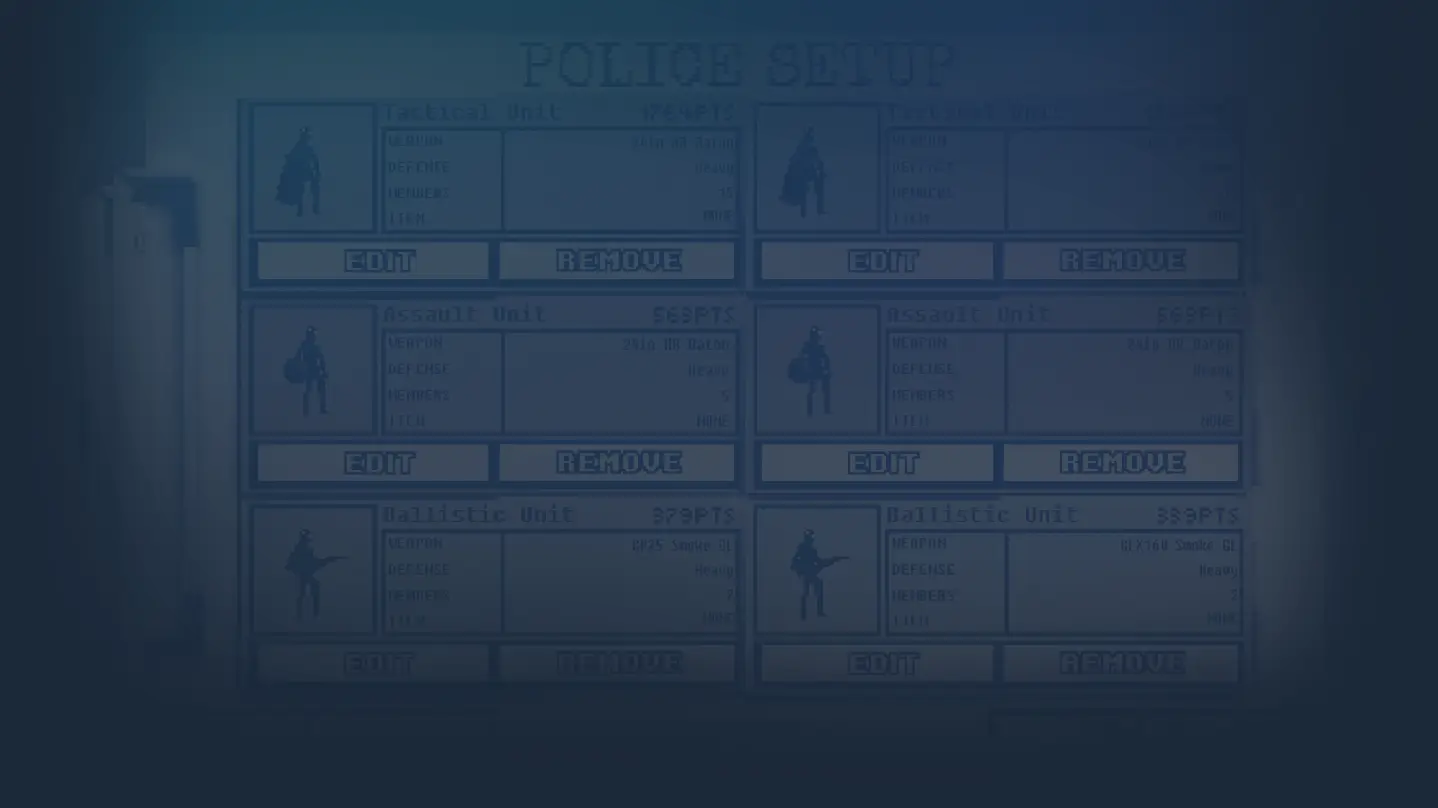
RIOT: Civil Unrest is a real-time strategy sim built around something most games avoid entirely: the ugly, chaotic arithmetic of crowd violence. Developer Leonard Menchiari drew from real civil unrest events, and the result is a game that puts you in command of either a police line or a mass of protesters across scenarios inspired by places like Egypt, Italy, Greece, and Spain. Each side plays differently in feel and logic, which is where most of the genuine design interest lives. On the tactical layer, the game is about resource pressure and escalation control. As the police, you deploy units in formation, issue orders to advance or hold, and manage crowd density before flashpoints trigger. Tear gas, shields, batons, and water cannons are your toolkit, but overuse any of them and the crowd hardens, the media score tanks, and suddenly a manageable standoff becomes a full-scale riot. The protester side flips this: you are deliberately outnumbered and underequipped, winning through attrition, positioning, and making the police overreact. The asymmetry is the whole game. When it clicks, the decision-making feels genuinely tense. The frustration is real and it is not all intentional design. Unit pathing is unreliable enough that formations break in ways that feel like bugs rather than chaos simulation. The AI on both sides makes decisions that are difficult to read, and not in the interesting fog-of-war sense. The tutorial does explain mechanics at a surface level but leaves you to reverse-engineer the scoring and morale systems mostly on your own, which will put off newcomers who need clearer feedback loops. That said, for the strategy-minded player who likes forensic post-match analysis, the underlying system has enough levers to reward replays. Scenario design is tight enough that most maps have at least two or three viable approaches. The pixel-art presentation is detailed and atmospheric without being gratuitous. Crowds surge and scatter with reasonable believability, and sound design carries a lot of the emotional weight. There is a real sense that the developer cared about the subject matter, which gives the game an uncomfortable, thought-provoking edge that most pure strategy titles skip entirely. That tonal commitment is the game's clearest strength, and also the reason casual audiences will bounce off it fast. At its current review score, RIOT: Civil Unrest sits in mixed territory for good reason. The concept and core asymmetric logic are strong. The execution has rough edges that a larger development team would have sanded down. If you enjoy niche strategy sims where the premise does half the work of keeping you engaged, and you are comfortable tolerating interface friction to extract the good stuff underneath, there is a genuinely uncommon experience here. If you need clean UI, reliable pathing, and a generous onboarding ramp, look elsewhere.

Strategy & simulation
Tags
System Requirements
Minimum
OS *: x64 versions of Microsoft Windows 7, 8.1 and 10 Processor: AMD / Intel dual-core CPU running at 2.8 GHz (AMD Athlon II X2 series or Intel Pentium Dual-Core G600 series or newer architectures are recommen…
Recommended
- OS
- Microsoft Windows 10 x64
- Processor
- AMD / Intel quad-core processor running at 3.2 GHz (AMD FX 6000 series or Intel Core i3 4000 series or newer architectures are recommended)
- Memory
- 8 GB RAM Graphi…
Keep exploring
Community Discussion
Be the first to comment on RIOT: Civil Unrest.
Reviews & Ratings
Game Info
- Developer
- Leonard Menchiari
- Publisher
- Merge Games
- Release Date
- Feb 12, 2019