
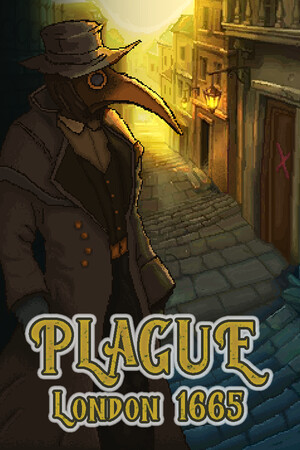
Plague: London 1665
Collect corpses, feed your family, and don't catch the plague, a grim resource-management RPG that earns its atmosphere but stumbles on bugs and thin late-game content.
GamerScout Verdict
Worth it for atmosphere-first RPG fans who can tolerate some bugs and a content ceiling that arrives sooner than expected.
Compare Prices(6 stores)
Every store in this table quotes us in euros, so the EUR figure is the price the seller actually set, not our arithmetic — which is why EUR is also the currency we rank in. We only list an offer here when the store gives us its price in euros, so nothing in this table is a number we invented.
Pick USD, PLN, GBP, CAD or AUD in the header and we convert from EUR at the European Central Bank reference rate — converted amounts are prefixed with ~. Your bank or the store may apply a different rate at checkout. We never hide offers based on where you are: everyone sees this whole table.
We may earn a commission when you buy games through links on this page — at no extra cost to you. It never affects our rankings or verdicts.
Price History
Screenshots & Media
About Plague: London 1665
My first instinct when I saw the premise was skepticism: a pixel-art RPG where you play a 17th-century body collector sounds like a history-class novelty act. Forty minutes in, I was genuinely stressed about whether my family had enough food while a neighbor's corpse was rotting three doors down. That tension is real, and it is the game's strongest asset. The core loop asks you to juggle three overlapping pressures: clear bodies from London's streets to earn coin from the city council, keep your own household fed and healthy, and do all of it while managing your personal infection risk. Every run into the alleys is a calculated gamble, and that risk-reward math is surprisingly engaging for an indie at this price point. The decision-making layer is where the game punches above its weight. NPC encounters carry genuine moral weight, prioritize the dying stranger, or rush the burial quota before nightfall? The game tracks those choices and bends toward multiple endings, which gives repeat playthroughs a reason to exist beyond achievement hunting. Resource scarcity is tuned aggressively: shop inventories are randomized, so you cannot simply plan around a fixed supply chain the way you can in a standard RPG. That randomness cuts both ways, it keeps sessions fresh but occasionally soft-locks a quest line when a required item simply never spawns. Community threads flag this as a known frustration, and it is worth flagging honestly. The pixel art does a lot of heavy lifting for the atmosphere. The visual design of overcrowded, fog-laced London reads as genuinely oppressive rather than decorative, and that tone carries the slower mid-game stretches when the body-collecting routine risks becoming repetitive. That repetition is the other honest criticism: the core action loop (collect, bury, report, resupply) does not meaningfully evolve after the first few in-game days. Players who want escalating mechanical complexity, new tools, expanded districts, faction systems, will hit a ceiling. What is there is polished in feel if not in technical execution. Bug reports from the Steam community include a handful of progression-blocking issues, particularly around quest trigger desync, so saving frequently is less a tip and more a requirement. For strategy and sim players specifically: this is closer to a light survival-RPG with resource-management dressing than a deep simulation. Do not come expecting supply-chain depth or AI faction dynamics. Do come expecting a short, focused, atmosphere-heavy experience with branching choices and enough replayability to justify a second run on a slow weekend. The historical grounding, the plague's actual timeline, period-accurate social pressures, the grim economics of the body trade, adds genuine texture that most indie RPGs skip entirely. It is not a long game, and the content depth is the consistent criticism from players who want more. But what it commits to, it commits to well.

Strategy & simulation
Tags
System Requirements
Minimum
- OS
- Windows Vista or greater
- Memory
- 1 GB RAM
- DirectX
- Version 10
- Storage
- 1 GB available space
- Graphics
- GeForce GTX 260, Radeon HD 5770, 1024 MB, Shader Model 3.0+
- Processor
- 2 GHz
Keep exploring
Community Discussion
Be the first to comment on Plague: London 1665.
Reviews & Ratings
No ratings available
Game Info
- Developer
- WASD Games
- Publisher
- WASD Games
- Release Date
- Oct 9, 2024