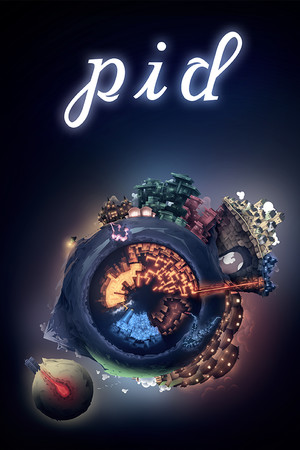
Pid
Pastel colors and a jazzy alien soundtrack paper over one of 2012's most quietly punishing puzzle-platformers. If beam-juggling through twenty-two handcrafted worlds sounds like your kind of suffering, Kurt needs a ride home.
GamerScout Verdict
Best for patient puzzle-platformer fans who can tolerate punishing boss fights in exchange for a beautifully strange alien world.
Compare Prices(5 stores)
Every store in this table quotes us in euros, so the EUR figure is the price the seller actually set, not our arithmetic — which is why EUR is also the currency we rank in. We only list an offer here when the store gives us its price in euros, so nothing in this table is a number we invented.
Pick USD, PLN, GBP, CAD or AUD in the header and we convert from EUR at the European Central Bank reference rate — converted amounts are prefixed with ~. Your bank or the store may apply a different rate at checkout. We never hide offers based on where you are: everyone sees this whole table.
We may earn a commission when you buy games through links on this page — at no extra cost to you. It never affects our rankings or verdicts.
Price History
Screenshots & Media
About Pid
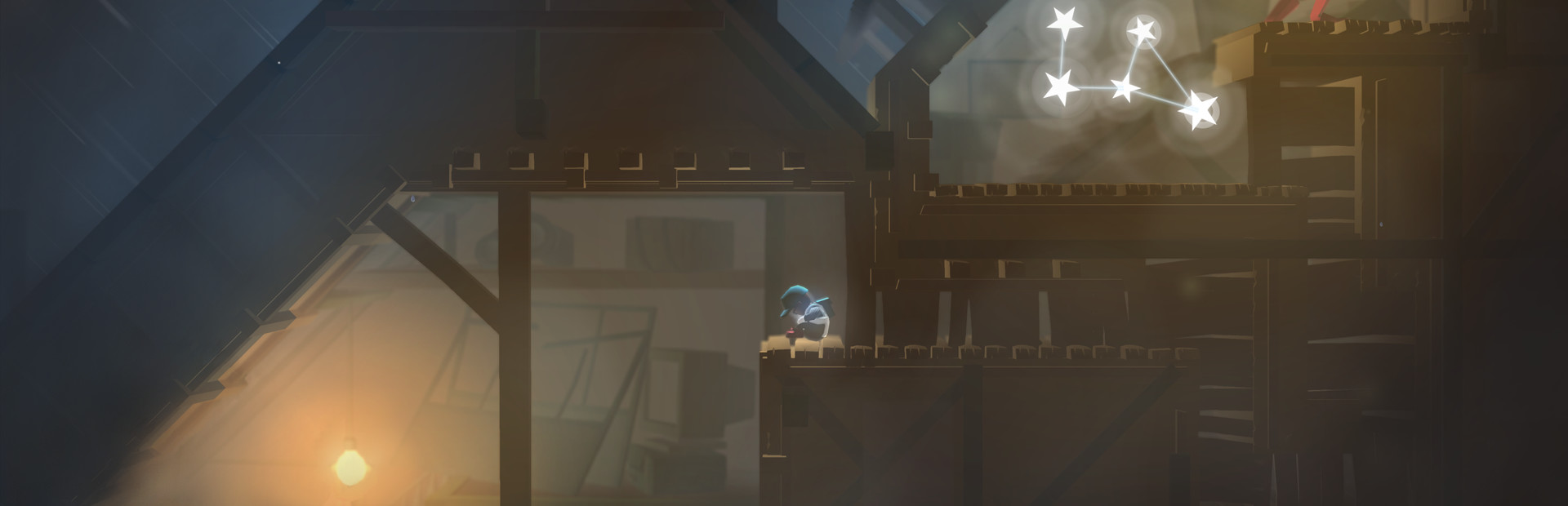
My first instinct with Pid was to underestimate it. The soft pastels, the oversized head on little Kurt, the dreamy parallax backdrops across planet Humphrey - everything about the visual design whispers "breezy afternoon game." Then the second world happens, and you learn that Might and Delight built a wolf in a watercolor coat. The heart of everything here is a gem that Kurt finds early on. Throw it at a surface and it projects a gravity beam that lifts or pushes him through the air. Plant two beams at the right angles and you can chain traversal across entire rooms without touching the ground. It sounds simple, and for the first few hours it is - the pacing is almost stubbornly slow, introducing mechanics one breath at a time. But that patience pays off. By the midgame you are reading a room, placing beams instinctively, threading Kurt through robot-filled corridors using a slingshot to trigger distant beam points, or timing a music-box item to mesmerize a cluster of enemies while a timed bomb clears the next wall. The toolset also includes a burst-beam booster, bombs, and a bag of dirt that reveals hidden paths - none of it is decoration. The gravity logic is the skeleton, and the whole game is built on testing how well you have internalized it. There is a collectible layer too: twelve missable souvenirs scattered across the twenty-two locations, plus constellation stars you trade at dispensers for life vests and supplies. Kurt dies in a single hit without a vest, so that economy matters. What critics could not agree on in 2012 is still the honest split today. The presentation and soundtrack are where Pid earns unconditional praise. The music was composed by a band of studio musicians called Retro Family, and their bombastic jazz sits beautifully against the alien architecture - a theater, a dormitory, a kitchen, a basement, all following their own strange childlike logic. The camera habitually pulls far back, reducing Kurt to a small cluster of pixels against the backdrop, and the parallax scrolling gives the world a real sense of unreachable depth. It is genuinely atmospheric in the way only handcrafted games from small studios can be, and Might and Delight - a team that mixed game developers with traditional 2D animators and a film-industry sound engineer - clearly made this exactly as they intended. The flip side is that the boss fights are where goodwill erodes. Six bosses across the run, and the later ones drew near-universal criticism at launch for feeling luck-based and imprecise. Might and Delight did respond post-launch by adding an Easy Mode with redesigned levels and shortened boss encounters, which is worth knowing if the reviews-era frustration put you off. Normal still has teeth, and Hard mode unlocks after completion for anyone who wants the full punishment. Runtime sits around eight to twelve hours depending on how quickly the beam logic clicks for you. That is the right length for what Pid is trying to do - it does not outstay itself conceptually, though the final act does drag in ways the opening never does. Local co-op is available if you want a second pair of hands for the harder rooms. The game launched in 2012 and took home the European Games Award for Innovate Newcomer that year, which feels accurate: Pid is not trying to be Limbo or Braid, but it occupies a space near them, with its own quieter and more peculiar gravity. For the right player - someone who loves a slow build, a strange world, and the specific satisfaction of finally nailing a beam chain that killed them twenty times - this is one of those small games that gets under your skin.

Indie & narrative
Tags
System Requirements
Minimum
- OS
- Windows XP SP2
- Memory
- 1 Gb
- DirectX®
- DirectX9
- Processor
- 2.6 GHz single core
- Video Card
- DirectX 9.0 compatibility
- Hard disk space
- 2 Gb
Recommended
- OS
- Windows 7
- Memory
- 2 Gb
- DirectX®
- DirectX10
- Processor
- 3.0 GHz dual core
- Video Card
- GeForce 8 series, ATI Radeon HD2xxx
- Hard disk space
- 2 Gb
Keep exploring
Community Discussion
Be the first to comment on Pid.
Reviews & Ratings
No ratings available
Game Info
- Developer
- Might and Delight
- Publisher
- Might and Delight
- Release Date
- Oct 31, 2012