
Pharaonic
Dark Souls flattened into a 2.5D Egyptian tomb crawl: if you can stomach sparse checkpoints and enemy respawns, Milkstone's forgotten gem punches well above its budget.
GamerScout Verdict
Worth it for patient Soulslike fans who want a rare Egyptian setting, but expect frustrating checkpoint spacing and occasional difficulty spikes.
Compare Prices(8 stores)
Every store in this table quotes us in euros, so the EUR figure is the price the seller actually set, not our arithmetic — which is why EUR is also the currency we rank in. We only list an offer here when the store gives us its price in euros, so nothing in this table is a number we invented.
Pick USD, PLN, GBP, CAD or AUD in the header and we convert from EUR at the European Central Bank reference rate — converted amounts are prefixed with ~. Your bank or the store may apply a different rate at checkout. We never hide offers based on where you are: everyone sees this whole table.
We may earn a commission when you buy games through links on this page — at no extra cost to you. It never affects our rankings or verdicts.
Price History
Screenshots & Media
About Pharaonic
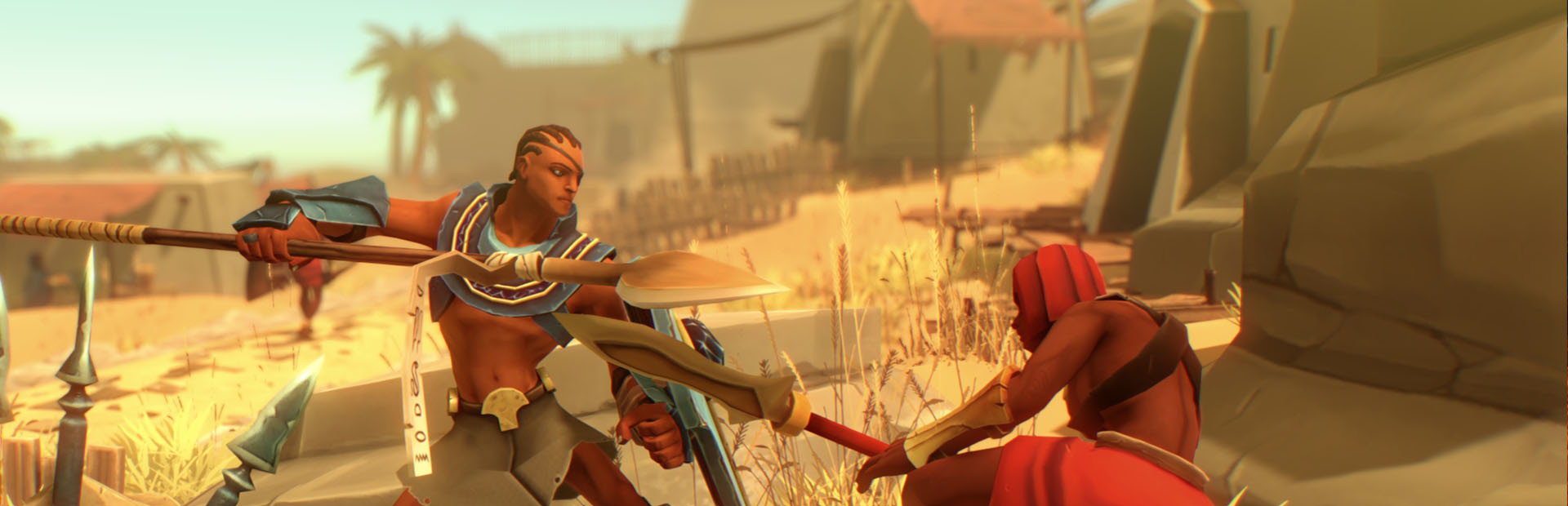
My first reaction to Pharaonic was genuine surprise that this thing exists and almost nobody talks about it. Milkstone Studios, a small Spanish team previously known for Ziggurat, took the Soulslike formula and pressed it sideways into a 2.5D side-scroller draped in vivid Ancient Egyptian art. That is a genuinely brave creative call, and it mostly works. The combat is the whole game, and it earns real attention. You get a light attack, a heavy attack, a block, a parry, and a dodge roll, all mapped to shoulder buttons and executed on a 2D plane where every pixel of spacing matters. Your stamina bar governs everything: swing too eagerly and you leave yourself open; block too long and the same thing happens. A canteen with limited charges works like the Estus flask, refilling only when you pray at a shrine checkpoint. Those shrines also respawn every enemy in the area, which is the central tension. Die to a boss, and you are walking back through the same corridor of guards all over again. The checkpoint placement leans punishing rather than fair, and a few players have noted jarring difficulty spikes between zones where your current gear simply stops working, nudging you toward grinding. That roughness is real and worth knowing before you commit. What keeps Pharaonic interesting is the build flexibility tucked underneath. Heavy armour trades mobility for staying power; light gear lets you weave and retaliate faster. Weapons split into heavy and light categories too, so a slow spear-and-shield tank and a quick dual-blade aggressor feel meaningfully different. Skills are not tied to level-up points but to Shabti Gems, which you find in chests and earn through side quests. It is an extra layer that some players find taxing on top of an already demanding combat system, but it gives the gear a genuine sense of weight. Bosses, meanwhile, are highlights: the Warden, Queen Cerce, and others each have distinct move sets that demand you actually learn them rather than just grind your way through. The presentation is one of the warmer surprises in a genre that usually defaults to grey stone corridors. The art direction is chunky and cartoon-stylised, the environments shift from cobwebbed dungeons to sandy open villages, and a panning camera reveals background vistas that give the world real scale. The soundtrack is appropriately Egyptian in tone without being kitsch. What the visuals cannot fully rescue is the level design: because movement is locked to a 2D plane, areas become winding corridors that are difficult to mentally map even when you have bought a map from a merchant. The story is thin. You are an escaped slave, the chosen one, destined to bring down the immortal Red Pharaoh Ahmosis I. NPCs fill in lore if you talk to them, and the Daughters of Ishtar serve as recurring quest-givers. None of it lingers, but the setting alone is rare enough that the Egyptian mythology backdrop feels like a genuine distinguishing factor rather than a coat of paint. Pharaonic runs 7 to 12 hours depending on how often you die and how much you explore secondary paths, which feels about right for what it is.

Indie & narrative
Tags
System Requirements
Minimum
- OS
- Windows XP SP3
- Memory
- 2 GB RAM
- Storage
- 1 GB available space
- Graphics
- DirectX 10 capable hardware
- Processor
- Dual Core processor
Recommended
- OS
- Windows 7 or newer
- Memory
- 4 GB RAM
- Storage
- 1 GB available space
- Graphics
- GeForce 460 or better
- Processor
- Quad core processor
Keep exploring
Community Discussion
Be the first to comment on Pharaonic.
Reviews & Ratings
No ratings available
Game Info
- Developer
- Milkstone Studios
- Publisher
- Milkstone Studios
- Release Date
- Apr 28, 2016