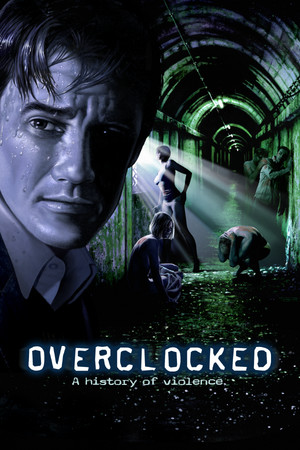
Overclocked: A History of Violence
A brooding point-and-click thriller that bets everything on its reverse-chronology mystery structure. Worth it for story-first players who can forgive rigid, hand-holding puzzles.
GamerScout Verdict
Best for story-first adventure fans willing to accept a game that guides rather than challenges, in exchange for a genuinely unsettling mystery structure.
Compare Prices(8 stores)
Every store in this table quotes us in euros, so the EUR figure is the price the seller actually set, not our arithmetic — which is why EUR is also the currency we rank in. We only list an offer here when the store gives us its price in euros, so nothing in this table is a number we invented.
Pick USD, PLN, GBP, CAD or AUD in the header and we convert from EUR at the European Central Bank reference rate — converted amounts are prefixed with ~. Your bank or the store may apply a different rate at checkout. We never hide offers based on where you are: everyone sees this whole table.
We may earn a commission when you buy games through links on this page — at no extra cost to you. It never affects our rankings or verdicts.
Price History
Screenshots & Media
About Overclocked: A History of Violence
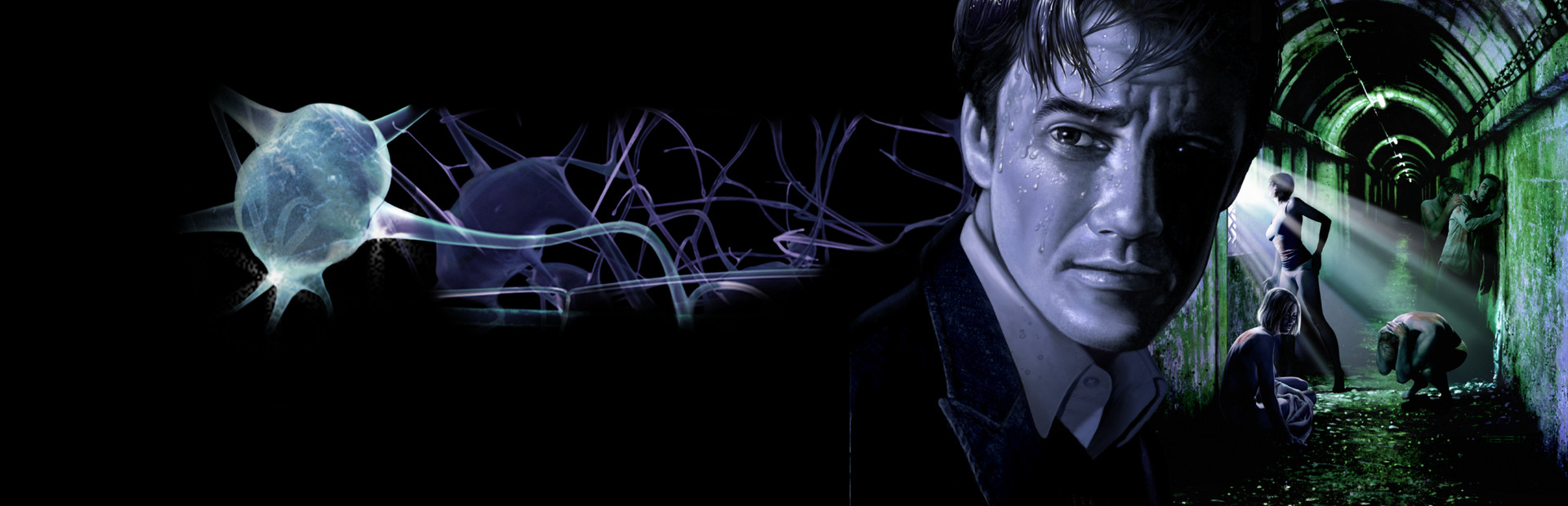
I have a soft spot for games that arrive before the genre vocabulary to describe them exists, and Overclocked: A History of Violence is exactly that kind of orphaned artefact. House of Tales released it at a moment when interactive drama was still a fringe concept, Heavy Rain was two years away, and most players expected their adventure games to challenge them with inventories and logic puzzles. Overclocked wanted to be something closer to a playable psychological thriller, and the gap between that ambition and the technology and craft available to a small German studio in 2008 is the whole story of why this game lands somewhere between fascinating and frustrating. You play as David McNamara, an army psychiatrist with his own private wreckage, summoned to a crumbling Staten Island asylum during a torrential New York storm. Five amnesiac teenagers were found on the streets, armed and in crisis, all connected to the same trauma on an isolated military island. Your job is to draw out their memories. Mechanically, that means alternating between McNamara navigating the rain-slicked present and stepping into each patient's flashback in sequence, working backwards through time across five different viewpoints. The reverse-chronology structure, piecing together what happened by moving from the most recent memories toward the origin, genuinely distinguishes this game from its contemporaries. There is a real Memento quality to the layered revelations, and when a connection clicks across two separate flashbacks, the satisfaction is quiet but real. The atmosphere does a lot of heavy lifting and mostly earns its keep. The permanent downpour, the institutional rot of the asylum, the moody piano signature buried in the score, all of it creates an oppressive urban gloom that feels intentional rather than cheap. McNamara himself carries a compelling nihilism that the game handles with more care than most adventure games would bother with. A PDA that records sessions and triggers memories in other patients is a smart diegetic tool, and the pendulum used for hypnosis sessions is exactly the kind of small prop detail that makes a world feel considered. The 45 locations are pre-rendered and densely staged, though revisiting the same corridors repeatedly in the final chapters wears on you. Here is the honest part. The puzzle design is thin. The hotspot system highlights everything interactable, inactive objects disappear the moment they stop being useful, and locations lock you out when the story is not ready for you. The game essentially walks you through itself. Players who come for mechanical challenge will bounce off hard. The flashback puzzles are mostly inventory combinations of the open-a-grate, restore-the-radio-signal variety, and the present-day segments lean almost entirely on dialogue topic menus. The voice acting is uneven in English, serviceable but rarely convincing. A subplot involving McNamara's disintegrating personal life telegraphs its resolution so early that the game's own psychiatrist protagonist comes across as oblivious. These are real flaws, not minor gripes. What keeps Overclocked worth revisiting, particularly for narrative-focused players, is that it was awarded the Innovation Prize at the Deutscher Entwicklerpreis for its psychological trauma mechanics and narrative structure. That recognition feels justified even if the execution is imperfect. If you have any patience for story-over-interactivity adventures, the kind of space where games like Fahrenheit or early Telltale sit, and especially if you want something that treats violence and PTSD as a subject rather than a backdrop, the mystery here is worth following to its end. Go in knowing the game is steering you firmly. Let the atmosphere settle. The payoff is not explosive, but it lingers.

Indie & narrative
Tags
System Requirements
Minimum
- OS
- Windows 2000 / XP / Vista / 7 / 8 32 or 64 bit
- Memory
- 1 GB RAM
- DirectX
- Version 9.0c
- Storage
- 5 GB available space
- Graphics
- DirectX 9 compliant video card Shader Model 1.1
- Processor
- 1.3 GHz Intel or AMD processor
- Sound Card
- DirectX compatible card
Recommended
- OS
- Windows XP/Vista/7/8 32 or 64 bit
- Memory
- 2 GB RAM
- DirectX
- Version 9.0c
- Storage
- 5 GB available space
- Graphics
- DirectX 9 compliant video card Shader Model 3
- Processor
- 2 GHz Dual Core Intel or AMD processor
- Sound Card
- DirectX compatible card
Keep exploring
Community Discussion
Be the first to comment on Overclocked: A History of Violence.
Reviews & Ratings
Game Info
- Developer
- House of Tales
- Publisher
- HandyGames
- Release Date
- Apr 3, 2015