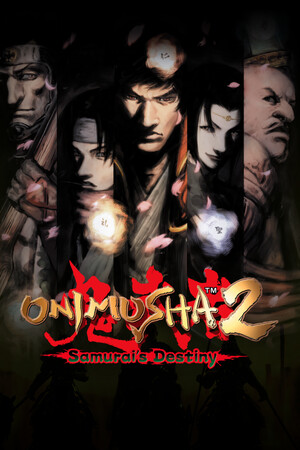
Onimusha 2: Samurai's Destiny
Capcom's PS2 samurai classic lands on PC and Xbox with a light coat of HD polish - worth it if you can tolerate fixed cameras and early-2000s design quirks, less so if you need modern creature comforts.
GamerScout Verdict
Best for PS2-era Capcom fans and newcomers willing to accept fixed cameras in exchange for sharp swordplay and a surprisingly layered companion system.
Compare Prices(9 stores)
Every store in this table quotes us in euros, so the EUR figure is the price the seller actually set, not our arithmetic — which is why EUR is also the currency we rank in. We only list an offer here when the store gives us its price in euros, so nothing in this table is a number we invented.
Pick USD, PLN, GBP, CAD or AUD in the header and we convert from EUR at the European Central Bank reference rate — converted amounts are prefixed with ~. Your bank or the store may apply a different rate at checkout. We never hide offers based on where you are: everyone sees this whole table.
We may earn a commission when you buy games through links on this page — at no extra cost to you. It never affects our rankings or verdicts.
Price History
Screenshots & Media
About Onimusha 2: Samurai's Destiny
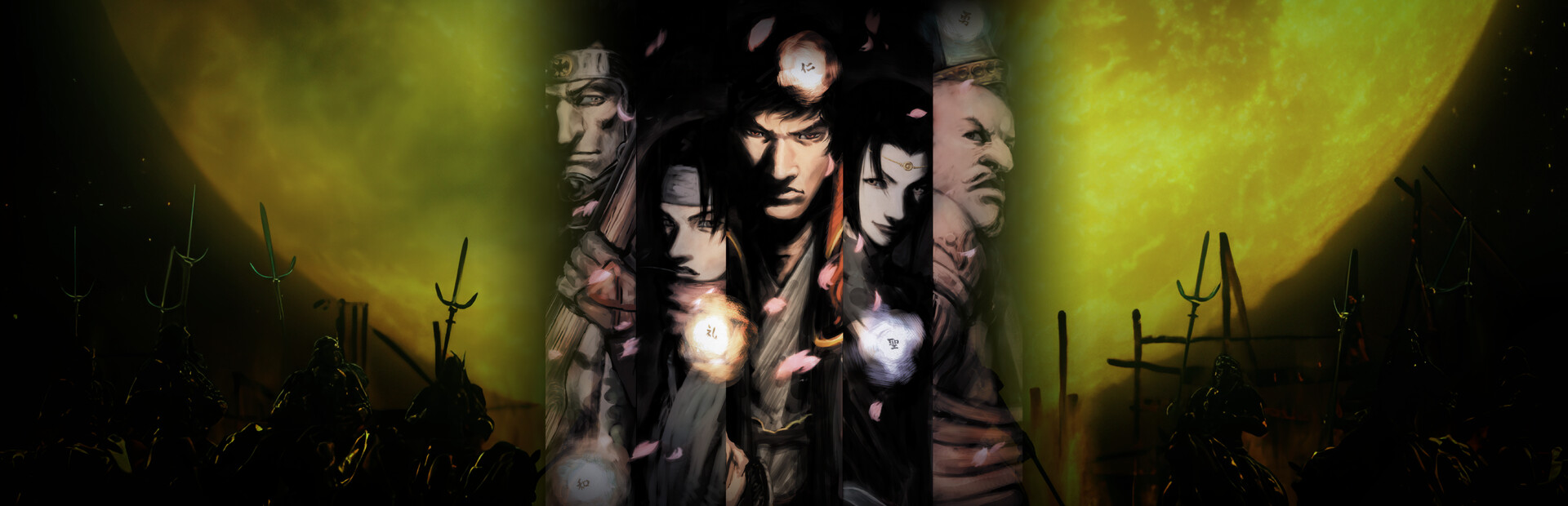
I went in expecting a slice of feudal-Japan action that helped shape the genre, and I got exactly that - for better and occasionally for worse. Onimusha 2: Samurai's Destiny is a direct-lineage relative of the classic Resident Evil formula, transplanted into Sengoku-era Japan. Fixed camera angles, progress-gating puzzles, herbs as healing items, and tight linear corridors - if you have spent any time with Capcom's survival horror output from that period, the DNA will be immediately obvious. The key difference is that here, swords and sorcery replace shotguns and zombie groans. At its best, the combat still crackles. Jubei works through an arsenal of swords, spears, hammers, and bows, each with its own upgrade path fed by red souls harvested off defeated Genma demons. Timed critical counter-attacks (the Issen system) reward precise reads on enemy animations, and chaining them feels genuinely satisfying. The remaster adds on-the-fly weapon swapping without pausing - a small change that makes mid-fight decisions noticeably smoother. Collecting five purple souls now triggers the powerful Onimusha transformation on your own terms rather than automatically, which matters far more during tough fights than it sounds on paper. A new Hell mode (single hit, instant death) and the full difficulty range from story-friendly Easy up through Critical give the game genuine replay legs for players who want punishment on repeat runs. What gives the game more texture than a straightforward hack-and-slash is its companion affinity system. Four allies - Oyu, Kotaro Fuma, Magoichi Saiga, and Ekei Ankokuji - each have distinct preferences, and gifting them items from your inventory builds or damages those relationships. Friends who like you show up to bail you out in boss fights or when you are nearly dead. More interestingly, the story itself branches based on those friendship levels: allies can turn against you if you neglect them, and certain story beats are gated entirely behind those relationship scores. For a 2002 action game, it holds up as a surprisingly involved system, even if the gift preferences can feel opaque without a guide. The problems are real, though, and honest coverage requires naming them. The fixed camera angles were contentious at release and have not improved with age. During busier fights, angle switches mid-combo disorient your directional inputs, which can turn a winning exchange into a sudden death. A few puzzle and loading-transition quirks carry over intact from the PS2 original - souls absorbed near a loading boundary can vanish if you cross before collecting them all. The remaster corrects nothing here; it is the same game with sharper pixels and a handful of QoL additions. Reviewers across the board noted that the overall package is conservative to a fault. The gallery of over 100 concept art pieces by character designer Keita Amemiya is genuinely worthwhile, but the broader feeling is that a franchise this influential deserved a richer archival treatment. Runtime is roughly 7-8 hours on a first playthrough, which is short even accounting for the era. For newcomers curious about where games like Devil May Cry drew their early influence, this is a compact and accessible entry point - the new protagonist Jubei means you do not need to have played the first Onimusha to follow what is happening. For returning fans, the remaster is the cleanest version of a game that has been absent from modern storefronts for over two decades, and the Denuvo DRM was removed post-launch, which removes one historical irritant. Approach it as a preserved PS2 artifact with a few thoughtful tweaks, not as a ground-up modernisation, and your expectations will land in the right place.

Catch-all
Tags
System Requirements
Minimum
- OS
- WINDOWS® 10 (64-BIT Required)、 WINDOWS® 11
- Memory
- 8 GB RAM
- DirectX
- Version 12
- Storage
- 25 GB available space
- Graphics
- NVIDIA® GeForce® GTX 960 (VRAM4GB) or AMD Radeon™ RX560 (VRAM4GB)
- Processor
- Intel® Core™ Core i3 8350k or AMD Ryzen3 3200G
Recommended
- OS
- WINDOWS® 10 (64-BIT Required)、 WINDOWS® 11
- Memory
- 16 GB RAM
- DirectX
- Version 12
- Storage
- 25 GB available space
- Graphics
- NVIDIA® GeForce® GTX 1060 (VRAM6GB) or AMD Radeon™ RX570 (VRAM4GB)
- Processor
- Intel® Core™ Core i3 8350k or AMD Ryzen3 3200G
Keep exploring
Community Discussion
Be the first to comment on Onimusha 2: Samurai's Destiny.
Reviews & Ratings
No ratings available
Game Info
- Developer
- CAPCOM Co., Ltd.
- Publisher
- CAPCOM Co., Ltd.
- Release Date
- May 22, 2025