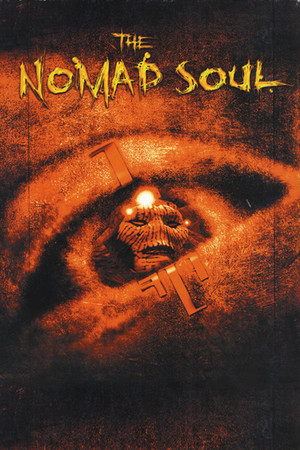
Omikron: The Nomad Soul
A 1999 cyberpunk artifact that broke the fourth wall before it was fashionable, stuffed three genres into one city, and somehow convinced David Bowie to live inside it. Cult classic or frustrating mess? Honestly, both.
GamerScout Verdict
Worth it for patient narrative explorers who can tolerate clunky combat in exchange for one of gaming's most audacious worldbuilding concepts.
Compare Prices(4 stores)
Every store in this table quotes us in euros, so the EUR figure is the price the seller actually set, not our arithmetic — which is why EUR is also the currency we rank in. We only list an offer here when the store gives us its price in euros, so nothing in this table is a number we invented.
Pick USD, PLN, GBP, CAD or AUD in the header and we convert from EUR at the European Central Bank reference rate — converted amounts are prefixed with ~. Your bank or the store may apply a different rate at checkout. We never hide offers based on where you are: everyone sees this whole table.
We may earn a commission when you buy games through links on this page — at no extra cost to you. It never affects our rankings or verdicts.
Price History
Screenshots & Media
About Omikron: The Nomad Soul
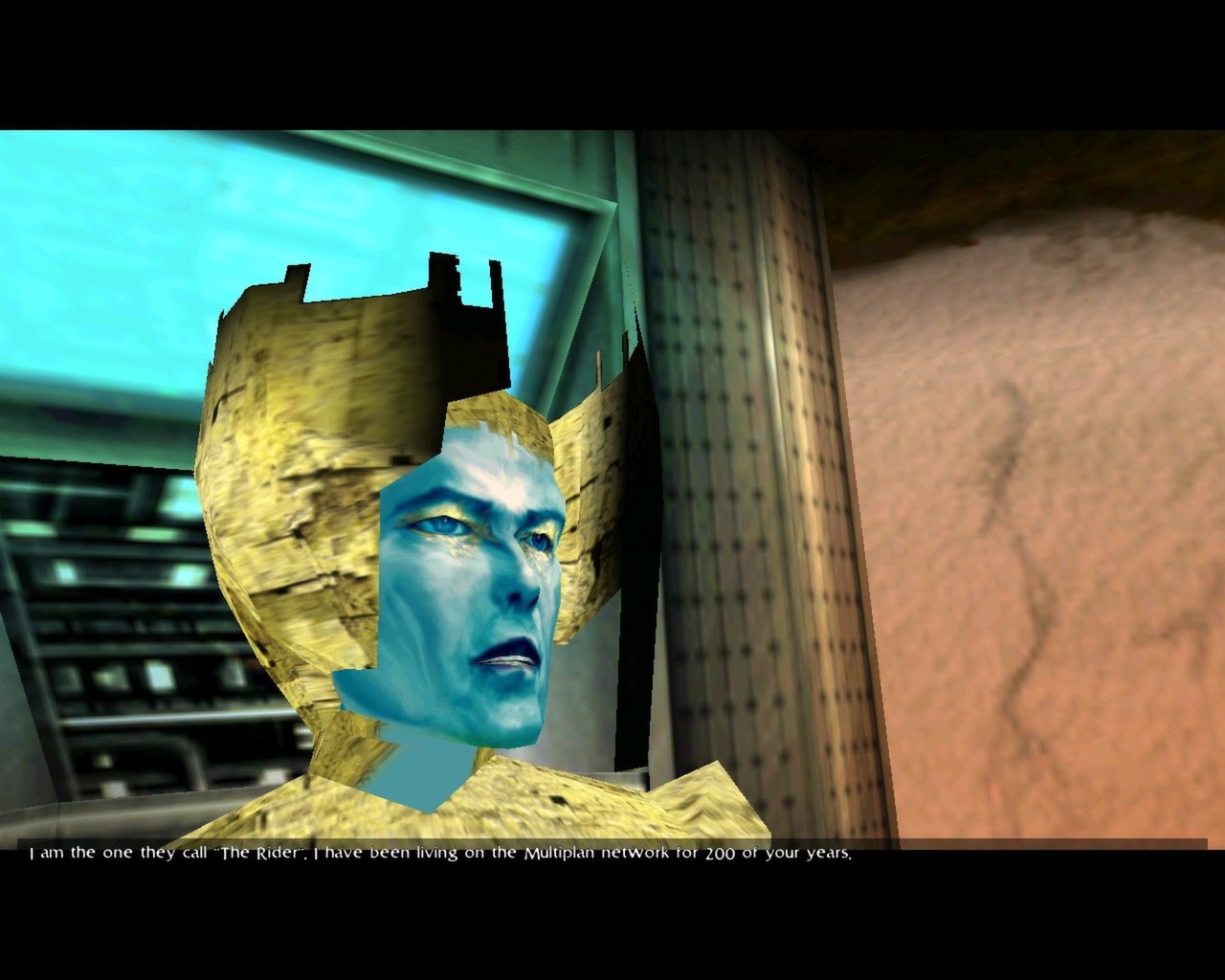
I have a soft spot for games that swing wildly for something no one else was attempting, and Omikron: The Nomad Soul is exactly that kind of swing. Quantic Dream's debut drops you into a dome-enclosed dystopian metropolis on the planet Phaenon, where a central supercomputer called Ix runs everything, demons are stealing human souls, and a police officer named Kay'l 669 has reached through the screen to beg for your help. Not your character's help. Yours. The fourth wall isn't cracked here, it's vaporized from the first minute. The hook that makes Omikron genuinely interesting, even today, is the Soul Transfer system. When your current body dies, your nomad soul jumps into the next NPC who touches the corpse, and you carry on inside a stranger's life. The city has over forty inhabitable bodies, each with their own apartment to raid, their own stat baselines, and their own relationship to the world. It's game mechanics treated as narrative, and for a 1999 release that idea is borderline astonishing. The investigation starts simply enough: Kay'l and his partner Den were tracking a serial killer, and you pick up the case. What slowly unravels is a conspiracy that runs from street-level police corruption all the way up to Astaroth, an ancient demon imprisoned beneath Omikron who has been using the city, and the game itself, as a soul-harvesting machine. The lore has real depth, the underground resistance group called The Awakened adds genuine political texture, and the revelation that you walked into a trap willingly is one of the more audacious story moves of that era. Then there's the gameplay, which is where things get complicated. Omikron mashes third-person adventure exploration, side-on hand-to-hand combat with move combinations, and first-person shooter segments into a single package. None of the three systems are particularly polished. The brawling requires actual strategy and won't let you button-mash through it, which is respectable, but the animations are stiff and boss fights are routinely cited as the worst moments in the game. The FPS sections feel like a rougher, slower cousin to contemporary shooters of that era. Exploration on foot or by Slider vehicle across the four distinct city districts is the strongest pillar, with dense streets, lavishly decorated apartments, and NPC conversations that hold up surprisingly well. The save system gating progress behind Magic Rings, an 18-slot personal inventory requiring constant management via the SNEAK terminal and the Multiplan Virtual Locker, a total lack of a pause function on PC, and tank controls that still frustrate even with fan patches all add up to a friction level that will end many modern players' playthroughs before the story gets interesting. The other thing you need to know: David Bowie composed ten original songs for this game, appears in two roles including as Boz, a virtual being living inside Omikron's network, and there is a secret underground concert you can stumble into if you follow the right posters. That scene alone is worth something. The soundtrack leans on material from his "hours..." album, reworked for the fiction, and it gives the city an atmosphere nothing else in that year was matching. Community consensus over the decades has settled into a clear shape: the worldbuilding and concept are genuinely ahead of their time, the execution is genuinely rough, and it remains the kind of game people describe as both a wasted potential and an unmissable experience in the same breath. This is not a comfortable pick-up-and-play. Modern players should expect to use the fan-made controller patch, accept that the combat will be clunky throughout, and go in specifically for the city, the story, and the audacity of the concept. If you bounced off Fahrenheit or found Heavy Rain too passive, Omikron is actually more interactive than either of those. It asks more of you mechanically and narratively than anything else in Cage's catalog. The reward is a cyberpunk city with a soul, which is more than most games manage even now.

RPGs
Tags
System Requirements
Minimum
- OS
- Windows XP / Vista / 7 / 8
- Memory
- 512 MB RAM
- DirectX
- Version 9.0c
- Storage
- 2 GB available space
- Graphics
- 3D graphics card with 1 GB of RAM
- Processor
- 1.8 GHz Processor
Keep exploring
Community Discussion
Be the first to comment on Omikron: The Nomad Soul.
Reviews & Ratings
No ratings available
Game Info
- Developer
- Quantic Dream
- Publisher
- Square Enix
- Release Date
- Sep 26, 2013