Compare Lords of the Realm III prices across trusted key stores and find the best deal. Developed by Impressions Games. Published by Rebellion. Released on 12/3/2015. Available on PC. Genres: Simulation, Strategy. Metacritic score: 65/100.

A medieval RTS that shed its series' beloved turn-based roots and paid the price for it, passable as a standalone, painful as a sequel.

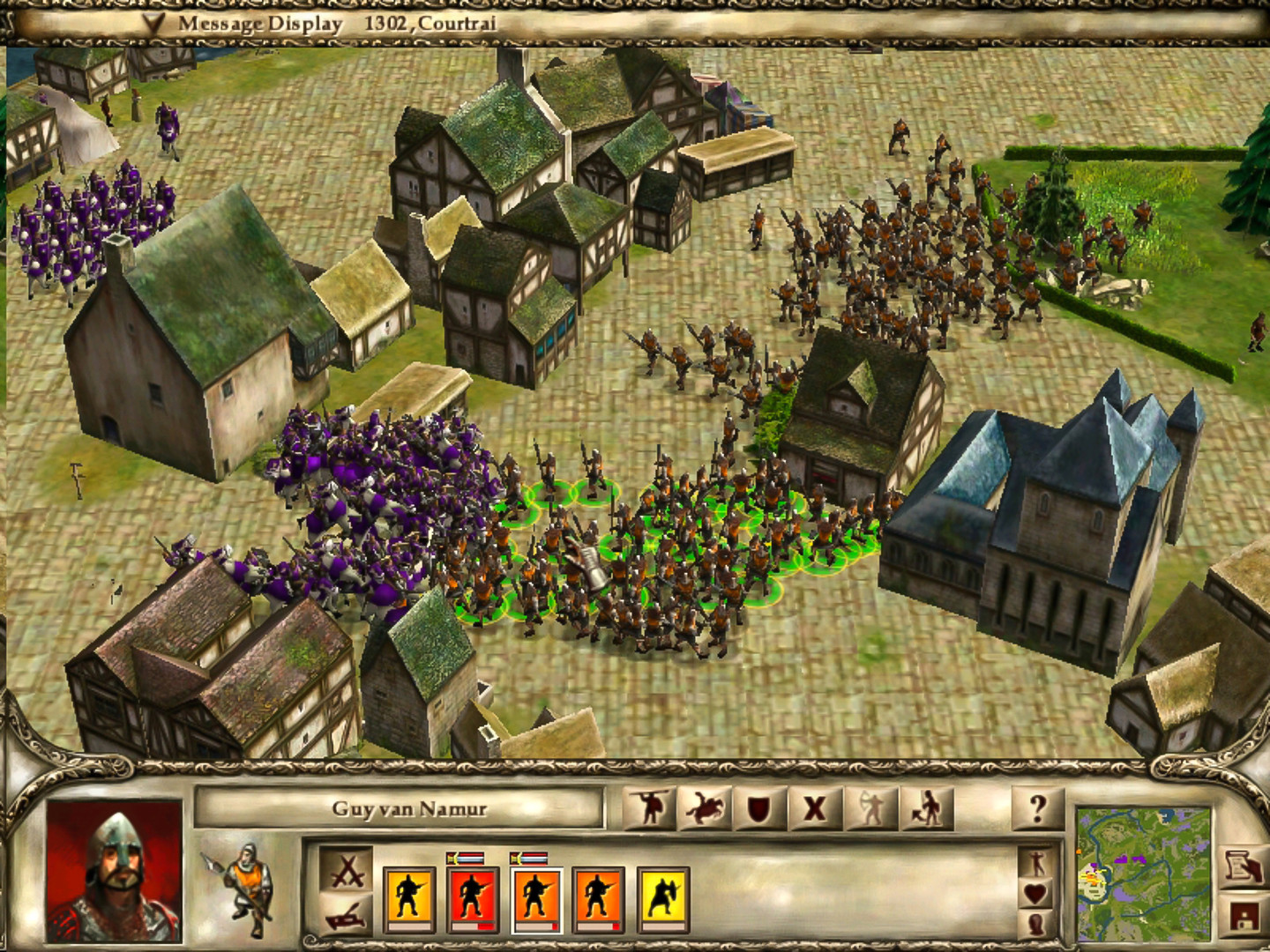
My honest reaction when I first mapped out Lords of the Realm III's structure on paper was cautious optimism: three discrete gameplay layers, a strategic overview, a diplomacy screen, and a real-time battle layer, stacked on top of four campaigns set across medieval Ireland, England, France, and Germany. On paper, that architecture has genuine bones. The problem is what lives inside each layer. The strategy layer operates through a vassalage system where you subdivide your lands into parcels and assign different vassal types to each one. Knights build forts that produce military companies, while other vassals generate resources and income. It is streamlined almost to the point of invisibility. Veterans of the earlier Lords of the Realm games, which asked you to micromanage county industries, equip individual soldiers, and react to random events like plague or crop failure, will find the parcel system a brutal downgrade. There is very little pull-forward thinking required. You assign, you wait, you expand. The diplomacy layer offers trade and alliance options but lacks the teeth to make faction relations feel meaningful over a full campaign. Battles are where the game shows its strongest hand, and even there the picture is complicated. Troops are organized into knight-led companies, which keeps orders clean and reduces the click-per-second barrier considerably. You select from up to eight formations per company depending on unit type, terrain interacts with outcomes, and most of the real decision-making happens before contact rather than during it. For a casual or newcomer RTS player, that is genuinely approachable design. The problem is that the AI in the late game starts flooding you with large, well-equipped forces from multiple directions simultaneously, and the interface fights you the whole way through. Cryptic icons, buttons with no obvious function, and information displayed in formats that require guesswork are consistent complaints going back to the original 2004 release. None of that has been patched away. Context matters here, and the context is grim. Impressions Games was shut down the month after this game shipped in 2004, and you can feel the rushed development in the rough edges. Steam's own user score sits around 55 percent positive from a very small sample. The Metacritic consensus lands at 65, and the critical split is telling: press outlets that reviewed it fresh scored it reasonably as a budget title with some charm; players who came in expecting a real successor to Lords of the Realm II left furious. If you approach this as a lightweight medieval RTS with company-based combat and a thin but functional progression layer, it is a decent enough afternoon. If you approach it as the next chapter in a franchise known for deep economic simulation, it will feel like a different series wearing the wrong coat. There is no mod ecosystem, no multiplayer of note, no post-launch support, and no tutorial that adequately explains the interface quirks. The four campaigns spanning 14 scenarios give you a defined endpoint, which at least means you will not sink an open-ended number of hours into a system that cannot sustain the weight. Franchise completionists and players who want low-stakes medieval tactics without a steep learning curve are the real audience here. Everyone else has better options available. Diego, Scout Team

Lords of the Realm III

Lords of the Realm III

Dec 3, 2015Impressions GamesRebellion
GamerScout Says

A medieval RTS that shed its series' beloved turn-based roots and paid the price for it, passable as a standalone, painful as a sequel.

PC
Best Price Available
€0.00
at N/A
Historical low: €0.70

GamerScout Verdict

Worth a look for low-stakes medieval tactics fans only, series veterans expecting Lords II's economic depth will be sorely disappointed.

Compare Prices(0 stores)

Loading prices...

We may earn a commission when you buy games through links on this page — at no extra cost to you. It never affects our rankings or verdicts.

Price History

Historical low
€0.7010 Jun 2026
Keyshops
€0.66€0.70€0.73€0.7710 Jun21 Jun3 Jul14 Jul25 Jul
10 Jun — 25 Jul
Create alert

Screenshots & Media

Screenshot

About Lords of the Realm III

My honest reaction when I first mapped out Lords of the Realm III's structure on paper was cautious optimism: three discrete gameplay layers, a strategic overview, a diplomacy screen, and a real-time battle layer, stacked on top of four campaigns set across medieval Ireland, England, France, and Germany. On paper, that architecture has genuine bones. The problem is what lives inside each layer. The strategy layer operates through a vassalage system where you subdivide your lands into parcels and assign different vassal types to each one. Knights build forts that produce military companies, while other vassals generate resources and income. It is streamlined almost to the point of invisibility. Veterans of the earlier Lords of the Realm games, which asked you to micromanage county industries, equip individual soldiers, and react to random events like plague or crop failure, will find the parcel system a brutal downgrade. There is very little pull-forward thinking required. You assign, you wait, you expand. The diplomacy layer offers trade and alliance options but lacks the teeth to make faction relations feel meaningful over a full campaign. Battles are where the game shows its strongest hand, and even there the picture is complicated. Troops are organized into knight-led companies, which keeps orders clean and reduces the click-per-second barrier considerably. You select from up to eight formations per company depending on unit type, terrain interacts with outcomes, and most of the real decision-making happens before contact rather than during it. For a casual or newcomer RTS player, that is genuinely approachable design. The problem is that the AI in the late game starts flooding you with large, well-equipped forces from multiple directions simultaneously, and the interface fights you the whole way through. Cryptic icons, buttons with no obvious function, and information displayed in formats that require guesswork are consistent complaints going back to the original 2004 release. None of that has been patched away. Context matters here, and the context is grim. Impressions Games was shut down the month after this game shipped in 2004, and you can feel the rushed development in the rough edges. Steam's own user score sits around 55 percent positive from a very small sample. The Metacritic consensus lands at 65, and the critical split is telling: press outlets that reviewed it fresh scored it reasonably as a budget title with some charm; players who came in expecting a real successor to Lords of the Realm II left furious. If you approach this as a lightweight medieval RTS with company-based combat and a thin but functional progression layer, it is a decent enough afternoon. If you approach it as the next chapter in a franchise known for deep economic simulation, it will feel like a different series wearing the wrong coat. There is no mod ecosystem, no multiplayer of note, no post-launch support, and no tutorial that adequately explains the interface quirks. The four campaigns spanning 14 scenarios give you a defined endpoint, which at least means you will not sink an open-ended number of hours into a system that cannot sustain the weight. Franchise completionists and players who want low-stakes medieval tactics without a steep learning curve are the real audience here. Everyone else has better options available.

Diego
Diego · Scout Team

Strategy & simulation

Tags

singleplayertier:sub-5Medieval RTSCompany-Based CombatFormation TacticsCastle SiegingBudget TitleCampaign-OnlyVassal ManagementCasual Strategy

System Requirements

Minimum

OS
Windows Vista, Windows 7, Windows 8 or Windows 10
Memory
1 GB RAM
Storage
600 MB available space
Graphics
3D graphics card compatible with DirectX 7
Processor
1 GHz Processor (1.4 GHz recommended)

Keep exploring

Community Discussion

Be the first to comment on Lords of the Realm III.

Reviews & Ratings

Metacritic
65

Game Info

Developer
Impressions Games
Publisher
Rebellion
Release Date
Dec 3, 2015

Price Alert

Get notified when the price drops below your target!

Create Alert

No card? Pay another way

Top up your Steam Wallet or buy crypto with any card — instant delivery, no bank account needed.

More from Impressions Games

Buy smarter: helpful guides

Frequently asked questions about Lords of the Realm III

How much does Lords of the Realm III cost?

Lords of the Realm III pricing changes often and varies by store, edition and region. The live price table on this page compares the cheapest in-stock offers from trusted key stores like Eneba and Kinguin, so you always see the current lowest price before you buy.

Where can I buy Lords of the Realm III cheapest?

Compare Lords of the Realm III prices across every verified store in the price table on this page. We list the cheapest in-stock key and store offers, updated regularly, so you always see the best current deal before you buy.

What platforms is Lords of the Realm III available on?

Lords of the Realm III is available on PC.

When was Lords of the Realm III released?

Lords of the Realm III was released on 3 December 2015.

Who developed Lords of the Realm III?

Lords of the Realm III was developed by Impressions Games and published by Rebellion.

Is Lords of the Realm III worth buying?

Lords of the Realm III holds a Metacritic score of 65/100, making it one of the standout Simulation titles. See the full reviews, ratings and how-long-to-beat times on this page to decide.