Little Orpheus
A cinematic side-scrolling adventure about a Soviet cosmonaut lost underground. Gorgeous, breezy, and utterly committed to its absurdist tall-tale tone.
GamerScout Verdict
Worth it for atmosphere-seekers who want a gorgeous 4-hour cartoon adventure; skip if you need meaningful player agency.
Compare Prices(8 stores)
Every store in this table quotes us in euros, so the EUR figure is the price the seller actually set, not our arithmetic — which is why EUR is also the currency we rank in. We only list an offer here when the store gives us its price in euros, so nothing in this table is a number we invented.
Pick USD, PLN, GBP, CAD or AUD in the header and we convert from EUR at the European Central Bank reference rate — converted amounts are prefixed with ~. Your bank or the store may apply a different rate at checkout. We never hide offers based on where you are: everyone sees this whole table.
We may earn a commission when you buy games through links on this page — at no extra cost to you. It never affects our rankings or verdicts.
Price History
Screenshots & Media
About Little Orpheus
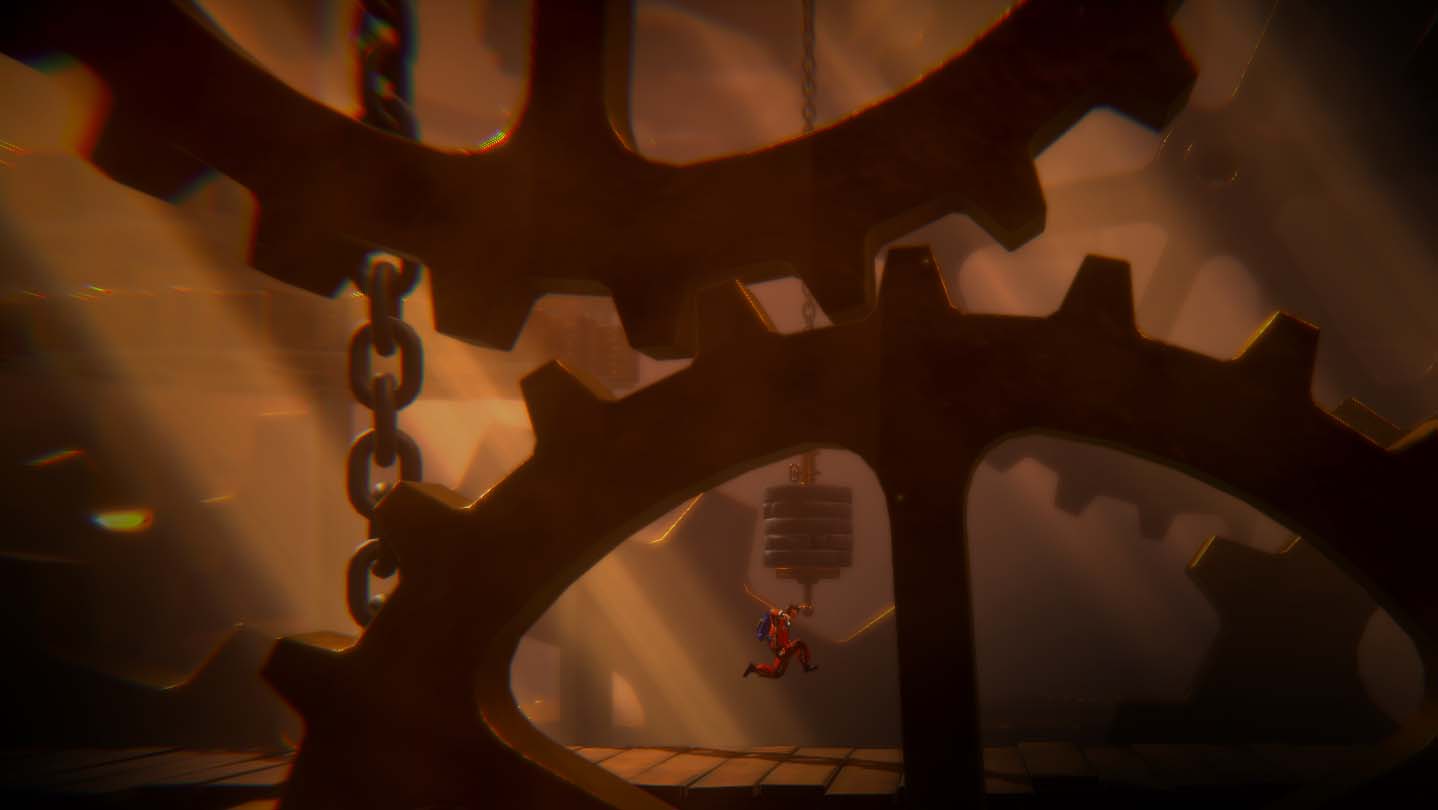
Little Orpheus is a linear side-scrolling adventure from The Chinese Room, the studio behind Dear Esther and Amnesia: A Machine for Pigs. You play as Ivan Ivanovich, a Soviet cosmonaut who descended into the Earth in 1962 and resurfaced three years later claiming he found paradise. The game unfolds as Ivan recounts his journey to a military interrogator, and that framing device does a lot of heavy lifting. Every chapter is narrated over the top of your slow walk through a painted diorama world, and the whole thing plays like a Soviet-era Saturday morning cartoon crossed with Jules Verne. If that sounds appealing to you, it probably is. The gameplay itself is light to the point of being translucent. You walk left to right, occasionally jump, press a button when prompted, and watch things happen. There are no combat systems, no inventory, no branching choices. The Chinese Room has never really been interested in traditional game loops, and Little Orpheus leans even harder into that philosophy than their earlier work. What it offers instead is spectacle: each of the eight chapters drops Ivan into a different bizarre biome, from bioluminescent fungal forests to dinosaur-filled jungles to ancient mechanical civilisations. The art direction is the main event, and it is genuinely lovely. Every screen looks hand-painted, saturated, and carefully composed. Paired with an orchestral score that swells at exactly the right moments, the whole package has a warmth that is hard to resist. Here is where the Mixed review score becomes understandable, though. At roughly three to four hours, Little Orpheus is short even by adventure game standards. The interaction layer is so thin that calling it a game feels generous on some chapters. Players expecting The Chinese Room to push into darker territory the way Dear Esther or A Machine for Pigs did will find this lighter and more comedic, which is a genuine stylistic departure. The story is charming and Ivan's narration has real wit to it, but the emotional payoff is modest. The Definitive Edition on PC adds bonus content including extra chapters and the Baikonur Files side material, which do expand the runtime somewhat and add a bit of meta-texture to the world. Who is this actually for? People who have watched a Studio Ghibli film and wished a game felt like that for an afternoon. People who will happily trade mechanical depth for strong atmosphere and a coherent artistic vision from start to finish. If you need a challenge curve, a reward loop, or a sense of meaningful player agency, Little Orpheus is going to frustrate you within the first twenty minutes, and that frustration will not resolve. But if you are the kind of person who has replayed a two-hour walking sim because the soundtrack was doing something special to your brain, this deserves your attention. The Chinese Room knows exactly what kind of experience it is building here. It knows when it ends, and the ending is earned.

Indie & narrative
Tags
System Requirements
Minimum
- OS
- Windows 10 (64-bit)
- Processor
- AMD FX 6300 X6 / Intel Core i5-3570K
- Memory
- 8 GB RAM
- Graphics
- 2 GB VRAM, Radeon 7870 / GeForce GTX 660
- DirectX
- Version 11
Recommended
- OS
- Windows 10 (64-bit)
- Processor
- AMD FX 6300 X6 / Intel Core i5-3570K
- Memory
- 8 GB RAM
- Graphics
- 2 GB VRAM, Radeon 7870 / GeForce GTX 660
- DirectX
- Ver…
Keep exploring
Community Discussion
Be the first to comment on Little Orpheus.
Reviews & Ratings
Game Info
- Developer
- The Chinese Room
- Publisher
- Secret Mode
- Release Date
- Sep 13, 2022