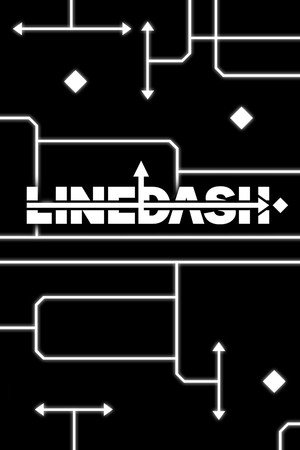
Line/Dash
Two mouse buttons, one relentless wave of enemies, and a canvas that paints itself from your reflex decisions. Micro-session arcade trance for players who appreciate when a tiny game has a genuine aesthetic heartbeat.
GamerScout Verdict
Best for reflex-arcade fans who value visual craft over content depth and can accept a game that ends before overstaying its welcome.
Compare Prices(3 stores)
Every store in this table quotes us in euros, so the EUR figure is the price the seller actually set, not our arithmetic — which is why EUR is also the currency we rank in. We only list an offer here when the store gives us its price in euros, so nothing in this table is a number we invented.
Pick USD, PLN, GBP, CAD or AUD in the header and we convert from EUR at the European Central Bank reference rate — converted amounts are prefixed with ~. Your bank or the store may apply a different rate at checkout. We never hide offers based on where you are: everyone sees this whole table.
We may earn a commission when you buy games through links on this page — at no extra cost to you. It never affects our rankings or verdicts.
Price History
Screenshots & Media
About Line/Dash
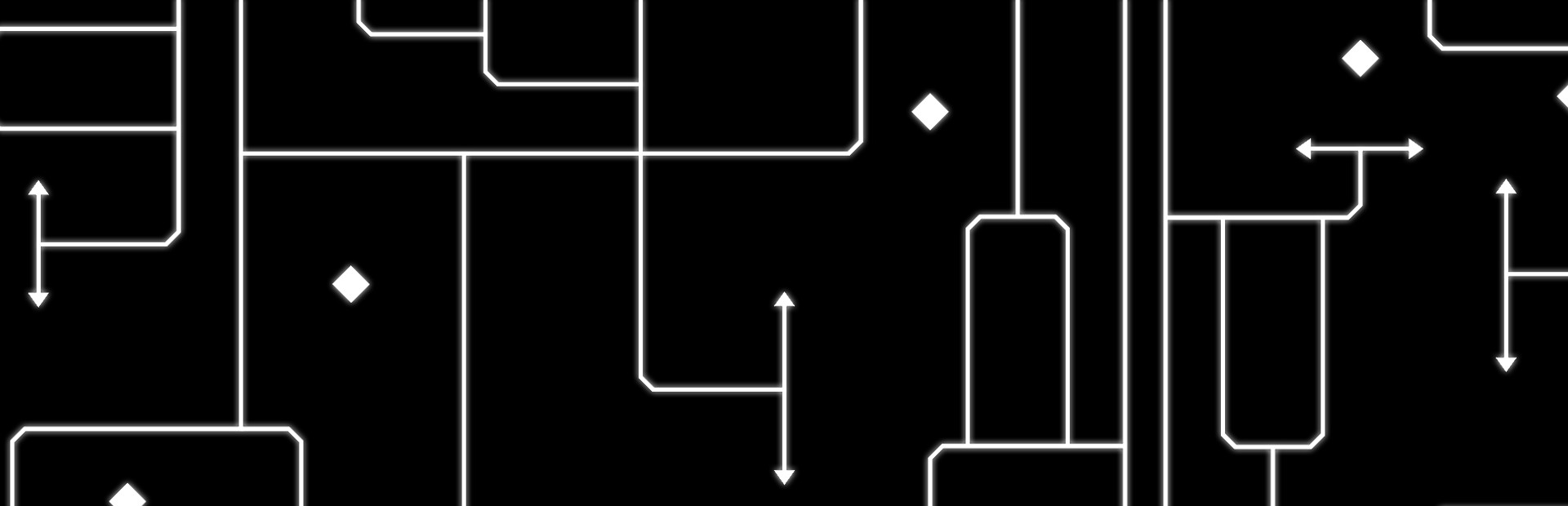
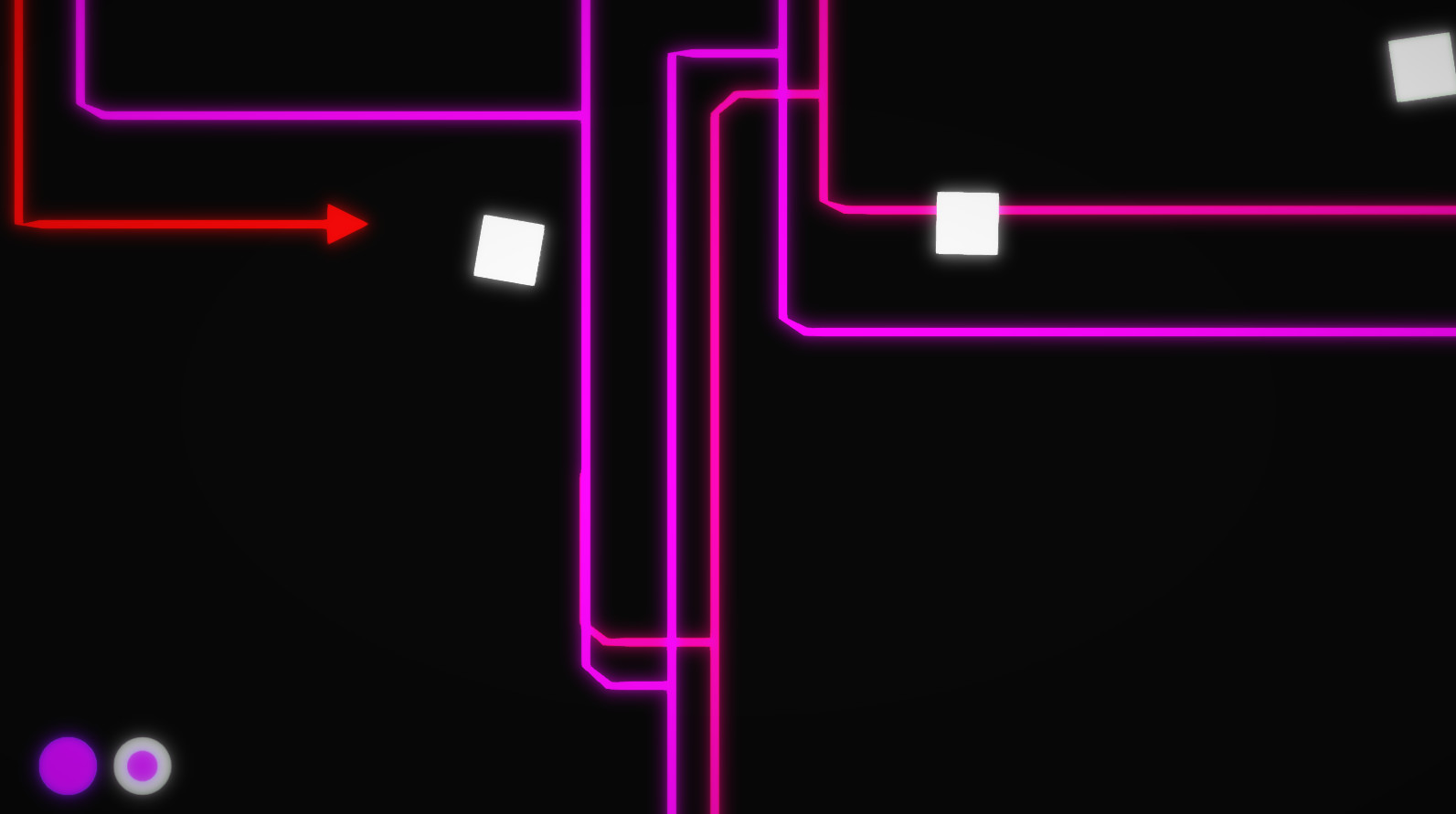
I have a soft spot for games that started life as a Ludum Dare jam entry and somehow kept their soul on the way to a Steam release. Line/Dash is exactly that kind of project. The whole mechanical vocabulary fits on a sticky note: left-click drops a line from the top of the screen, right-click sends it dashing forward. Enemies come from the right, your lines intercept them, you juggle bullets and block movement, the screen starts to shake with every impact, and somehow thirty seconds in you are no longer thinking about the controls at all. What makes it worth talking about is what happens to the visuals as you play. The game opens in black and white - sparse, clean, almost clinical. Survive long enough and the palette shifts, neon hues bleeding into the backgrounds on alternating black-or-white fields as your lines split and cross each other. Every run generates a slightly different visual record of how you played. The original designer called it a "procedural multimedia sculpture" and that phrase is accurate without being precious. The screen really does become a painting of your session, which gives Line/Dash a curious secondary pleasure beyond the score-chasing loop. The audio works in a similar spirit. Each collision with an enemy produces a randomized note harmonized to a pentatonic scale, so your defensive play generates something resembling improvised music. It never builds into a full score - and that is honestly one of the game's genuine limitations. Players who expect the soundscape to escalate the way the visuals do will find the audio feels underdeveloped by the midpoint of a run. The developer has acknowledged this openly, and I respect that honesty even if the gap between audio ambition and execution is real. The other thing to be clear about: this is a deliberately narrow game. There is one mode, one enemy type, a lives system as your buffer against the fail condition, and a leaderboard for context. No progression unlocks, no build variety, no campaign. The original designer made a conscious choice to keep scope small, and the result is something that knows exactly what it is. For players who want ten hours of content, Line/Dash will disappoint within fifteen minutes. For players who orbit games like Rez or old-school arcade bullet-jugglers and want something that respects their time while delivering a genuine kinesthetic loop, the slim runtime is a feature. It also has the honest mark of something that ranked in Ludum Dare's innovation category, which tells you something about where its energy was concentrated. Mac users should note a platform warning: the game is not compatible with macOS 10.15 Catalina or above, so check your OS version before committing. On PC and Linux it runs without issue. Steam reviews land at a modest but honest mostly-positive rating from a small sample of players, which tracks with a game this niche.

Indie & narrative
Tags
System Requirements
Minimum
- OS
- Windows XP SP2+
- Graphics
- DX9 (shader model 2.0) capabilities; generally everything made since 2004 should work.
- Processor
- SSE2 instruction set support.
Keep exploring
Community Discussion
Be the first to comment on Line/Dash.
Reviews & Ratings
No ratings available
Game Info
- Developer
- Gamera Interactive
- Publisher
- Gamera Interactive
- Release Date
- Jul 11, 2016