Life is Strange: Double Exposure
Max Caulfield is back after nearly a decade away, and whether that reunion lands depends almost entirely on how much emotional debt you still carry from Arcadia Bay.
GamerScout Verdict
Best for series fans ready to sit with an imperfect but emotionally charged follow-up to one of narrative gaming's most beloved originals.
Compare Prices(7 stores)
Every store in this table quotes us in euros, so the EUR figure is the price the seller actually set, not our arithmetic — which is why EUR is also the currency we rank in. We only list an offer here when the store gives us its price in euros, so nothing in this table is a number we invented.
Pick USD, PLN, GBP, CAD or AUD in the header and we convert from EUR at the European Central Bank reference rate — converted amounts are prefixed with ~. Your bank or the store may apply a different rate at checkout. We never hide offers based on where you are: everyone sees this whole table.
We may earn a commission when you buy games through links on this page — at no extra cost to you. It never affects our rankings or verdicts.
Price History
Screenshots & Media
About Life is Strange: Double Exposure
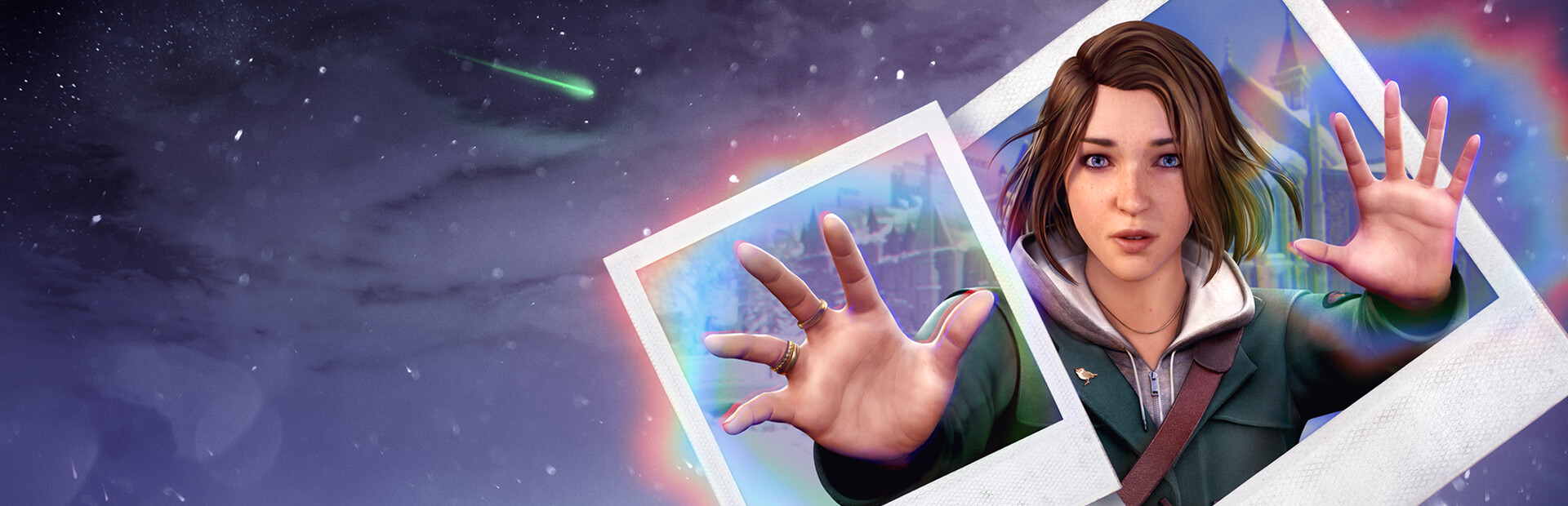
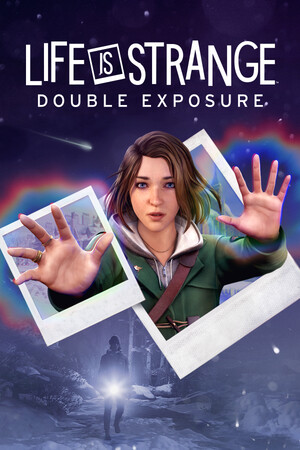
I went into Double Exposure with cautious optimism and came out the other side with genuinely mixed feelings, which is maybe the most honest review you can write about it. This is a third-person narrative adventure running about 8-10 hours across five episodes, set years after the first Life is Strange, with Max now settled into a photographer-in-residence post at the snow-covered Caledon University in Vermont. She has a new circle of friends, a quieter life, and no powers, until a murder on campus tears all of that open and hands her a new ability: Shift, which lets her jump between a Living World and a Dead World, two parallel timelines where the victim's fate differs. The Shift mechanic is the centerpiece and also the game's most divisive element. At its best it produces clever puzzles, swapping timelines to access a locked office, listening in on a conversation that only exists in one version of reality, or cross-referencing what characters know across both worlds to gain leverage in dialogue. There is a secondary ability called Pulse that lets Max sense the other timeline without fully crossing over, which is a smart design addition for orientation. Where it stumbles is in the friction of execution: timeline switches are gated to specific environmental trigger points rather than being freely usable, which makes the power feel more like a menu option than a supernatural ability. A few critics noted it can reduce to running back and forth looking for the right spot to activate rather than freely experimenting. The journal system and in-game social media feed, CrossTalk, add lore but are clunky to browse. The things Double Exposure does well, it does genuinely well. The voice cast is excellent, with Hannah Telle returning as Max and bringing real weight to a character who is older, more guarded, and still processing old trauma. The visual leap is noticeable, this is the first entry not constrained by last-gen hardware, and the facial capture is the series' best by a clear margin. The snowy Vermont campus feels lived-in immediately. The soundtrack keeps the franchise's signature low-key indie aesthetic, and the warm-yellow versus washed-blue color palette distinction between timelines is a clean piece of visual communication. The writing in quieter, character-focused moments is where the game earns its reputation: early chapters that let Max, Safi, and Moses simply exist together as friends give the central murder real emotional stakes. The back half is where opinions diverge sharply. Professional critics landed mostly in the 65-85 range, while user scores skewed heavily negative, partly due to lore disputes around how the game handles the original's two endings (Deck Nine asks the player to set their own canon at the start, rather than picking one), and partly because the narrative loses focus in its later chapters. Plot holes go unaddressed, supporting story threads feel dropped rather than resolved, and the single ending left a portion of the audience cold. If you go in expecting the tight, emotionally complete arc of the 2015 original, the ending will frustrate. If you go in treating this as chapter one of a longer story, it reads better, and a sequel has since been announced. Who is this for? Series fans who want to spend more time with Max and can tolerate an imperfect back half will find enough here to justify the runtime. The accessibility options are extensive, including camera assist, skippable sequences, extended choice timers, and motion reduction, which is worth flagging for anyone who found earlier entries hard to access. New players are not locked out, the game recaps what it needs to, but the emotional context for several key moments will land harder if you have history with Arcadia Bay.

Catch-all
Tags
System Requirements
Minimum
- OS
- Windows® 10 / 11 64-bit
- Memory
- 12 GB RAM
- DirectX
- Version 12
- Storage
- 25 GB available space
- Graphics
- NVIDIA GeForce GTX 960, 4 GB / AMD Radeon RX 470, 4GB
- Processor
- Intel Core i5-2400 / AMD FX-6300
Recommended
- OS
- Windows® 10 / 11 64-bit
- Memory
- 12 GB RAM
- DirectX
- Version 12
- Storage
- 25 GB available space
- Graphics
- NVIDIA GeForce RTX 2080 Super, 8GB / AMD Radeon RX 6700 XT, 12GB
- Processor
- Intel Core i7-7700K / AMD Ryzen 5 3600
DLC & Add-ons for Life is Strange: Double Exposure1
Expansions, DLC packs and add-on content for this game. Click any item to see store offers.
Keep exploring
Community Discussion
Be the first to comment on Life is Strange: Double Exposure.
Reviews & Ratings
No ratings available
Game Info
- Developer
- Deck Nine Games
- Publisher
- Square Enix
- Release Date
- Oct 29, 2024