
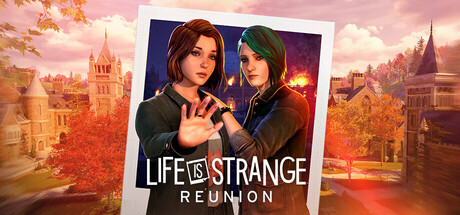
Life is Strange: Reunion
A decade-long wait, two playable characters, and a campus on fire in three days. Reunion is exactly what LiS fans asked for, and exactly as messy as that premise sounds.
GamerScout Verdict
Worth it for long-time LiS fans who want closure on Max and Chloe; too reliant on prior-game baggage to work as a standalone entry.
Compare Prices(0 stores)
Loading prices...
We may earn a commission when you buy games through links on this page — at no extra cost to you. It never affects our rankings or verdicts.
Price History
Screenshots & Media
About Life is Strange: Reunion
I came into Reunion with cautious optimism, having spent years watching Deck Nine build toward this moment through Before the Storm, True Colors, and the divisive Double Exposure. The pitch is emotionally loaded: Max Caulfield and Chloe Price, finally together again at Caledon University, racing a three-day countdown before a catastrophic fire swallows the campus whole. If you have any attachment to these two characters, that setup alone does a lot of work. The question is whether the game around it earns that weight, and the honest answer is: sometimes yes, sometimes no. The dual-protagonist structure is the most ambitious thing Reunion attempts, and it mostly delivers on paper. Max gets her Rewind ability back, now expanded so she can leap into Polaroid photographs and replay events from those captured moments, opening up what Deck Nine calls 4D puzzles that require thinking across timeline states rather than simply rewinding a bad conversation. Chloe brings her Backtalk mechanic back from Before the Storm, where you select dialogue responses in sequence, using information you have already overheard, to pressure or outmaneuver other characters. Playing as Chloe has no safety net. Max can undo a mistake; Chloe has to commit. That mechanical contrast is a genuinely smart design choice, and alternating between the two keeps the pacing tighter than earlier entries in the series. Before you start, the game asks you to define your history with the characters, including whether Chloe survived Arcadia Bay and the nature of their relationship, which shapes how their reunion actually lands emotionally. Where the game stumbles is the writing. Critics have split pretty cleanly on this. Reviewers who love Max and Chloe found Reunion emotionally satisfying, a story about confronting the past and accepting what you cannot change. Reviewers who came in colder found the script leaning heavily on nostalgia instead of doing new work, retreading story beats from the original game, keeping supporting characters thin, and leaving several threads from Double Exposure only lightly resolved. The central mystery, a fire investigation that puts Max and Chloe on opposite paths at times, has real momentum in its middle stretch, but the final act has drawn the most criticism for uneven plotting and choices that feel less weighty than the series at its best. The tone is mature, dealing openly with death, guilt, and grief, and the performances from Hannah Telle and Rhianna DeVries carry scenes that the script alone might not. The soundtrack, described as an intentional callback to previous series entries, is a genuine strength. On the technical side, the PC version performs better than the console releases, which have attracted reports of texture pop-in, geometry loading delays, and rough shadows. Nothing game-breaking, but noticeable for a franchise that sells on atmosphere. One other thing worth flagging upfront: Reunion is the least newcomer-friendly entry the series has produced. It picks up directly after Double Exposure, and the emotional stakes assume you know who these people are and what they have been through. Coming in cold from the original 2015 game, without playing Double Exposure, means a lot of context is missing. The opening recap montage covers the ground, but it covers it fast. For franchise fans who have followed Max and Chloe since Arcadia Bay, Reunion delivers enough of what they have been waiting for to be worth the time. The dual-character mechanics are a genuine step forward for the formula, the quieter emotional scenes land better than the louder plot mechanics, and seeing these two characters older and more complicated has its own specific reward. For everyone else, the mixed critical reception reflects a real split: this is a game that works best if you already care, and works considerably less if you do not.

Catch-all
Tags
System Requirements
Minimum
- OS
- Windows 10
- Memory
- 12 GB RAM
- DirectX
- Version 12
- Storage
- 30 GB available space
- Graphics
- AMD Radeon RX 480, 8 GB / NVIDIA GeForce GTX 1660, 6 GB / Intel Arc A750, 8GB
- Processor
- AMD Ryzen 5 1400 / Intel Core i5-4670K
Recommended
- OS
- Windows 11
- Memory
- 16 GB RAM
- DirectX
- Version 12
- Storage
- 30 GB available space
- Graphics
- AMD Radeon RX 6650 XT, 8 GB / NVIDIA GeForce RTX 3060 Ti, 8 GB
- Processor
- AMD Ryzen 5 3600 / Intel Core i5-10600
DLC & Add-ons for Life is Strange: Reunion1
Expansions, DLC packs and add-on content for this game. Click any item to see store offers.
Keep exploring
Community Discussion
Be the first to comment on Life is Strange: Reunion.
Reviews & Ratings
No ratings available
Game Info
- Developer
- Deck Nine Games
- Publisher
- Square Enix
- Release Date
- Mar 26, 2026

