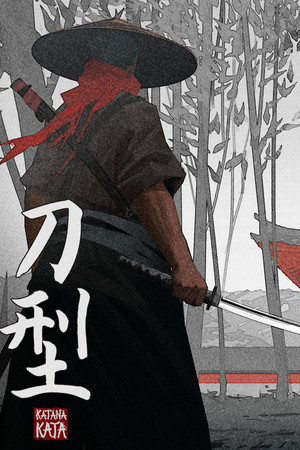
Katana Kata
A handcrafted one-two-person samurai souls-like built on directional parrying and weapon durability - rough around the edges, honest about its ambitions, and quietly rewarding when it clicks.
GamerScout Verdict
Worth a look for patient souls-like fans who can accept a frozen Early Access and rough edges in exchange for a focused parry system.
Compare Prices(4 stores)
Every store in this table quotes us in euros, so the EUR figure is the price the seller actually set, not our arithmetic — which is why EUR is also the currency we rank in. We only list an offer here when the store gives us its price in euros, so nothing in this table is a number we invented.
Pick USD, PLN, GBP, CAD or AUD in the header and we convert from EUR at the European Central Bank reference rate — converted amounts are prefixed with ~. Your bank or the store may apply a different rate at checkout. We never hide offers based on where you are: everyone sees this whole table.
We may earn a commission when you buy games through links on this page — at no extra cost to you. It never affects our rankings or verdicts.
Price History
Screenshots & Media
About Katana Kata
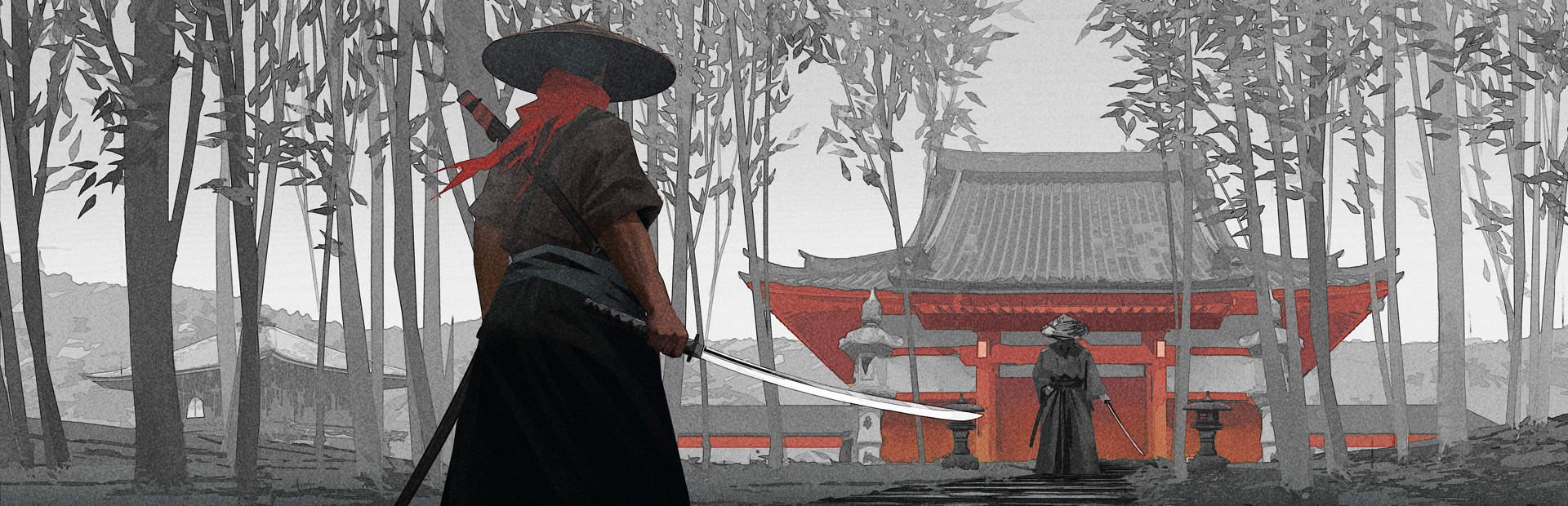
My first honest reaction to Katana Kata was equal parts intrigue and caution. The concept is deceptively focused: a small indie built by essentially two people, set in feudal Japan, asking you to internalize sword combat the way a student internalizes kata - through repetition, failure, and incremental muscle memory. That framing is not marketing poetry. It actually describes how the game teaches you to play. The combat revolves around a directional strike system where high and low attacks must be matched with correctly angled parries to knock an enemy back and open a counter window. Read the tell wrong and you eat a hit that can kill you outright. Weapons - katanas, spears, and others - all carry durability meters, which forces you to stay loose and grab whatever a dead enemy drops rather than leaning on a favourite blade. Leveling up feeds into stat upgrades across health, speed, attack, and a stamina bar called breath, plus earnable traits that slot into your build and can be respecced. There is even a Nightmare mechanic where the ghost of your last run comes back at you equipped with your own perks and weapon. These are genuinely thoughtful ideas for a two-person project, and the bones underneath them are solid. Where things get complicated is execution. The tutorial under-explains several key mechanics, power attacks suffer from aiming lock-out that makes them feel unreliable, and the stamina system has been criticised for making group encounters feel artificially punishing rather than skillfully difficult. Visual bugs - enemies clipping through geometry, occasional collision weirdness - are present and have been noted across multiple platforms. Critically, the Steam page now flags that the last developer update was over six years ago, meaning the Early Access roadmap is effectively frozen. The five hand-designed levels and their boss fights, including one memorably odd sumo wrestler encounter, are what you get. No procedural level generation was ever completed; the team was candid about that during development. And yet. The audiovisual identity has a quiet sincerity to it. Low-poly faceless models, volumetric light rays cutting through fog, particles drifting - it is a deliberate aesthetic, not a budget shortcut. The score leans on restrained strings that sit underneath the clang of metal-on-metal, and that sound design contrast gives fights a weight that the visual fidelity alone cannot quite deliver. The atmosphere does real work here. Who is this for? Players who have a soft spot for unfinished indie ambition, who do not need story scaffolding to enjoy pure combat feedback loops, and who can forgive rough edges when the core parry-and-counter rhythm occasionally reaches something close to flow. It is not a recommendation for someone expecting a complete, polished experience. The abandonment risk is real and visible right there on the store page. But as a curiosity from a solo-ish developer who cared deeply about how a katana should feel, Katana Kata earns a cautious nod from me.

Indie & narrative
Tags
System Requirements
Minimum
- OS
- 7 or better 64-bit
- Memory
- 8 GB RAM
- Storage
- 2 GB available space
- Graphics
- Discrete with 2 GB VRAM
- Processor
- i5
Recommended
- OS
- 10
- Memory
- 16 GB RAM
- Storage
- 2 GB available space
- Graphics
- Discrete with 2 GB VRAM
- Processor
- i7
Keep exploring
Community Discussion
Be the first to comment on Katana Kata.
Reviews & Ratings
No ratings available
Game Info
- Developer
- Stas Shostak
- Publisher
- Stas Shostak
- Release Date
- Jan 28, 2020