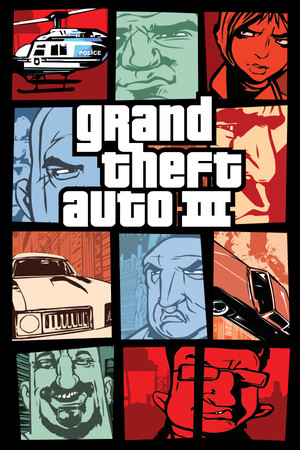
Grand Theft Auto III
The game that invented the template every open-world crime sandbox has followed since 2001, rough around the edges today, but still worth the history lesson if you can forgive dated controls.
GamerScout Verdict
9.3/10Worth it for open-world history buffs and GTA fans filling in the gaps, but newcomers should brace for 2001-era mission design.
Compare Prices(4 stores)
Every store in this table quotes us in euros, so the EUR figure is the price the seller actually set, not our arithmetic — which is why EUR is also the currency we rank in. We only list an offer here when the store gives us its price in euros, so nothing in this table is a number we invented.
Pick USD, PLN, GBP, CAD or AUD in the header and we convert from EUR at the European Central Bank reference rate — converted amounts are prefixed with ~. Your bank or the store may apply a different rate at checkout. We never hide offers based on where you are: everyone sees this whole table.
We may earn a commission when you buy games through links on this page — at no extra cost to you. It never affects our rankings or verdicts.
Price History
Screenshots & Media
About Grand Theft Auto III
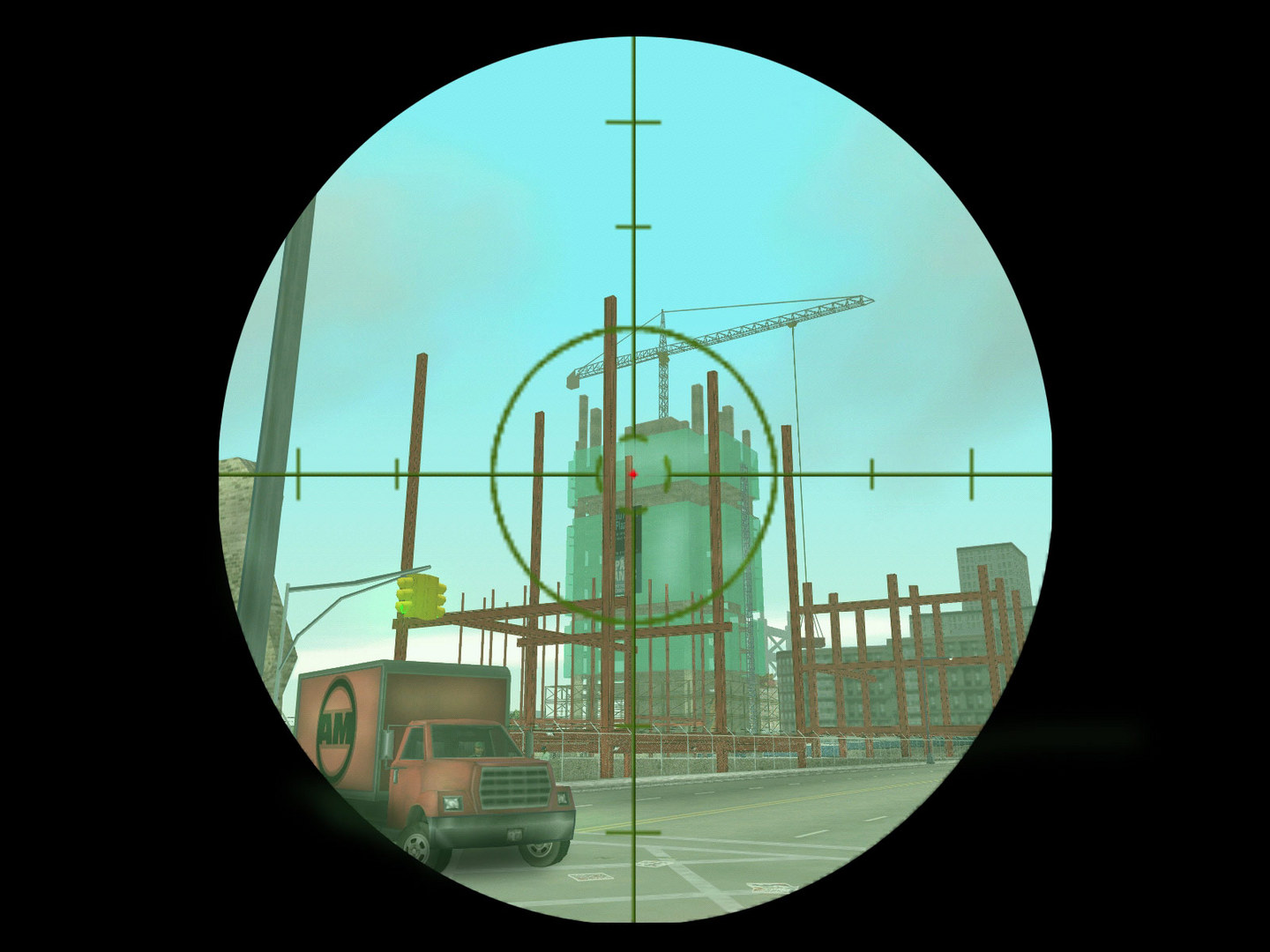
My honest reaction the first time I dropped into Liberty City was something close to disbelief, not because it looks good by modern standards (it doesn't), but because you can feel, right through the dated geometry and stiff animations, exactly why this game broke everything open. Before GTA III, nobody had convincingly fused third-person on-foot action with open car theft, a living city full of ambient chaos, side hustles, and a six-star wanted system that could escalate from beat cop to full military response in under three minutes. That combination, which is now completely mundane, felt like pure invention in 2001, and you can still sense the creative pressure behind it. The structure is straightforward: you play Claude, a silent protagonist who gets betrayed after a bank job and claws his way back up through Liberty City's criminal hierarchy by working for the Mafia, street gangs, a shady pharmaceutical boss, and a rotating cast of crooks spread across three distinct islands that unlock progressively as you complete story missions. Missions range from timed assassination runs and car bomb deliveries to escort jobs and all-out gang wars. Between story beats, the city is full of optional distractions: taxi and ambulance side missions, Rampages that ask you to kill a set number of enemies with a specific weapon before a timer expires, hidden packages scattered across rooftops and alleyways, and the classic Vigilante mode where you jack a police car and pursue criminals yourself. The variety is real, and the density of stuff to stumble into while ignoring the main path is exactly what made the open-world formula stick. The PC version specifically gives you mouselook and a manual crosshair for shooting, which is a genuine improvement over the console lock-on system. There is also a community of modders who have kept the game alive with graphical patches, control tweaks, and quality-of-life fixes that are worth hunting down before you start. Where the game shows its age hardest is in mission design: a lot of objectives are locked behind tight time limits that punish experimentation, vehicles are extremely fragile and can catch fire after just a few collisions, and drive-by shooting is limited to the Uzi only, with no motorcycles in the game at all. Combat while on foot is clunky. If you go in expecting Vice City or San Andreas levels of mechanical polish, you will hit a frustration wall early. The wanted system, while iconic, also produces inconsistent moments where gang members shoot at you in the street while police walk past entirely unbothered. All of that said, the sheer atmosphere of Liberty City holds up in a way that is hard to explain. The multiple themed radio stations, the 24-hour day and night cycle, weather that visibly affects driving physics, real-time motion-captured cutscenes, and a voice cast that included serious film talent for the era all came together to create something that genuinely felt like a city you were inhabiting rather than a level you were clearing. If you have never played this game and want to understand where the entire open-world genre came from, this is the ground zero. If you are a returning player who remembers it fondly, the rough edges are more tolerable because the nostalgia does real work. New players who have only known GTA V should set expectations carefully: this is a 2001 game in both the best and most challenging sense of that phrase.

Catch-all
Tags
System Requirements
Minimum
- Processor
- Pentium III® 450 MHz CPU
- Memory
- 96 MB RAM
- Graphics
- 16 MB Direct 3D Video Card DirectX Version: Microsoft DirectX® 8.1 Hard Drive: 500 MB uncompressed free hard disk space Sound C…
Keep exploring
Community Discussion
Be the first to comment on Grand Theft Auto III.
Reviews & Ratings
Game Info
- Developer
- Rockstar Games
- Publisher
- Rockstar Games
- Release Date
- Jan 4, 2008
- Age Rating
- PEGI 18