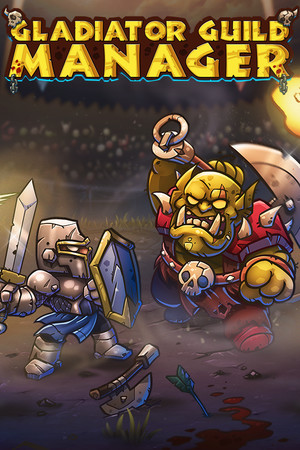
Compare Gladiator Guild Manager prices across trusted key stores and find the best deal. Developed by Entertainment Forge. Published by GrabTheGames. Released on 6/22/2024. Available on PC, Mac. Genres: Indie, Simulation, Strategy.

Pre-battle planning does all the heavy lifting here: pick your squad of warriors, rangers, beasts, and mages, set their targeting priorities, then watch your roster either dominate or embarrass you. Satisfying in short bursts, repetitive at the top.

My first honest reaction to Gladiator Guild Manager was relief. After a string of autobattlers that front-load complexity just to make you feel clever, this one earns its hooks the old-fashioned way: smart roster decisions that actually matter once the fighting starts. You set unit positioning, assign targeting priorities across your fighters, and then the arena resolves the outcome without further input. The gap between "I thought this through" and "I winged it" is wide enough to feel genuinely meaningful, which is the bar every autobattler should clear and too few do. The unit variety holds up better than the genre average. Warriors, rangers, beasts, mages, summoners, healers, and crowd-control specialists like the Banshee each fill distinct roles, and the game regularly forces you to swap compositions rather than ride one dominant setup to the finish. Horde fights demand area-of-effect payloads. Single powerful boss encounters reward single-target debuffers. Weather conditions in the weekly Ring of Death arenas add another variable to juggle. Between fights, you manage resources, stone, wood, and iron, to unlock and upgrade guild buildings that expand what unit types you can recruit. It is a lightweight economy loop, more Stardew than Crusader Kings, but it keeps the between-battle downtime purposeful rather than dead. The faction system is where the campaign finds its personality. Three allegiances, the peasantry, the baroness, and the high necromancer, each supply quests, lore, and unique recruitable units. Siding with all three simultaneously is possible early on, but the game eventually forces your hand and the faction-specific endings give a full run real stakes. The writing leans into comedy with voice-acted leaders whose scripts are genuinely funnier than expected for a budget indie. The story campaign clocks in around 10-15 hours per run, which is the right length for this format. The difficulty options, including a permadeath toggle that makes fallen gladiators permanently gone, add replay incentive without demanding it. The weaknesses are real and worth naming. The late-game campaign structure has been criticized by players for locking progression once you have won the 12 tournaments, preventing completion of faction reputations in a single run. Repetition sets in once you have learned the full unit roster and optimized a handful of synergies. There is limited modding support and no multiplayer, so the ceiling is exactly what the box shows. The endless tournament mode extends the sandbox further but simplifies the management layer down to raw battle-round survival, which strips out the most interesting part of the game. For strategy players new to autobattlers, this is actually a measured entry point. The priority-targeting system gives you more agency than a pure hands-off battler, and the guild-building economy is shallow enough to parse within the first hour. Veterans of the genre will recognize the ceiling faster but will likely still find the faction quest variety and permadeath runs worth a playthrough or two. It spent over two years in Early Access before the 1.0 release, and the polish shows in the UI and the overall stability. The 81 percent positive rating across thousands of Steam reviews reflects a game that does what it promises without significant technical friction. Diego, Scout Team

Gladiator Guild Manager

Gladiator Guild Manager

Jun 22, 2024Entertainment ForgeGrabTheGames
GamerScout Says

Pre-battle planning does all the heavy lifting here: pick your squad of warriors, rangers, beasts, and mages, set their targeting priorities, then watch your roster either dominate or embarrass you. Satisfying in short bursts, repetitive at the top.

PCMac
Steam Deck VerifiedProtonDB Gold
Best Price Available
€0.00
at N/A
Historical low: €1.80

GamerScout Verdict

Solid autobattler with a surprisingly charming campaign, best suited to players who enjoy iterating squad comps across multiple short runs.

Compare Prices(0 stores)

Loading prices...

We may earn a commission when you buy games through links on this page — at no extra cost to you. It never affects our rankings or verdicts.

Price History

Historical low
€1.8024 Jul 2026
Keyshops
€1.70€2.04€2.39€2.739 Jun21 Jun2 Jul14 Jul25 Jul
9 Jun — 25 Jul
Create alert

Screenshots & Media

About Gladiator Guild Manager

My first honest reaction to Gladiator Guild Manager was relief. After a string of autobattlers that front-load complexity just to make you feel clever, this one earns its hooks the old-fashioned way: smart roster decisions that actually matter once the fighting starts. You set unit positioning, assign targeting priorities across your fighters, and then the arena resolves the outcome without further input. The gap between "I thought this through" and "I winged it" is wide enough to feel genuinely meaningful, which is the bar every autobattler should clear and too few do. The unit variety holds up better than the genre average. Warriors, rangers, beasts, mages, summoners, healers, and crowd-control specialists like the Banshee each fill distinct roles, and the game regularly forces you to swap compositions rather than ride one dominant setup to the finish. Horde fights demand area-of-effect payloads. Single powerful boss encounters reward single-target debuffers. Weather conditions in the weekly Ring of Death arenas add another variable to juggle. Between fights, you manage resources, stone, wood, and iron, to unlock and upgrade guild buildings that expand what unit types you can recruit. It is a lightweight economy loop, more Stardew than Crusader Kings, but it keeps the between-battle downtime purposeful rather than dead. The faction system is where the campaign finds its personality. Three allegiances, the peasantry, the baroness, and the high necromancer, each supply quests, lore, and unique recruitable units. Siding with all three simultaneously is possible early on, but the game eventually forces your hand and the faction-specific endings give a full run real stakes. The writing leans into comedy with voice-acted leaders whose scripts are genuinely funnier than expected for a budget indie. The story campaign clocks in around 10-15 hours per run, which is the right length for this format. The difficulty options, including a permadeath toggle that makes fallen gladiators permanently gone, add replay incentive without demanding it. The weaknesses are real and worth naming. The late-game campaign structure has been criticized by players for locking progression once you have won the 12 tournaments, preventing completion of faction reputations in a single run. Repetition sets in once you have learned the full unit roster and optimized a handful of synergies. There is limited modding support and no multiplayer, so the ceiling is exactly what the box shows. The endless tournament mode extends the sandbox further but simplifies the management layer down to raw battle-round survival, which strips out the most interesting part of the game. For strategy players new to autobattlers, this is actually a measured entry point. The priority-targeting system gives you more agency than a pure hands-off battler, and the guild-building economy is shallow enough to parse within the first hour. Veterans of the genre will recognize the ceiling faster but will likely still find the faction quest variety and permadeath runs worth a playthrough or two. It spent over two years in Early Access before the 1.0 release, and the polish shows in the UI and the overall stability. The 81 percent positive rating across thousands of Steam reviews reflects a game that does what it promises without significant technical friction.

Diego
Diego · Scout Team

Strategy & simulation

Tags

singleplayerachievementscloud-savestier:sub-5AutobattlerFaction AllegiancePermadeath ToggleGuild BuildingWeather MechanicsBoss EncountersVoice-Acted StoryEndless Mode

System Requirements

Minimum

OS
Windows 7/8/8.1/10 (64 bit)
Memory
6 GB RAM
Storage
2 GB available space
Graphics
256mb Video Memory, capable of Shader Model 2.0+
Processor
4 Ghz

Recommended

2 GB available space

Keep exploring

Community Discussion

Be the first to comment on Gladiator Guild Manager.

Reviews & Ratings

No ratings available

Game Info

Developer
Entertainment Forge
Publisher
GrabTheGames
Release Date
Jun 22, 2024

Price Alert

Get notified when the price drops below your target!

Create Alert

No card? Pay another way

Top up your Steam Wallet or buy crypto with any card — instant delivery, no bank account needed.

More from Entertainment Forge

Buy smarter: helpful guides

Looking for more? See games like Gladiator Guild Manager →

Frequently asked questions about Gladiator Guild Manager

How much does Gladiator Guild Manager cost?

Gladiator Guild Manager pricing changes often and varies by store, edition and region. The live price table on this page compares the cheapest in-stock offers from trusted key stores like Eneba and Kinguin, so you always see the current lowest price before you buy.

Where can I buy Gladiator Guild Manager cheapest?

Compare Gladiator Guild Manager prices across every verified store in the price table on this page. We list the cheapest in-stock key and store offers, updated regularly, so you always see the best current deal before you buy.

What platforms is Gladiator Guild Manager available on?

Gladiator Guild Manager is available on PC, Mac.

When was Gladiator Guild Manager released?

Gladiator Guild Manager was released on 22 June 2024.

Who developed Gladiator Guild Manager?

Gladiator Guild Manager was developed by Entertainment Forge and published by GrabTheGames.