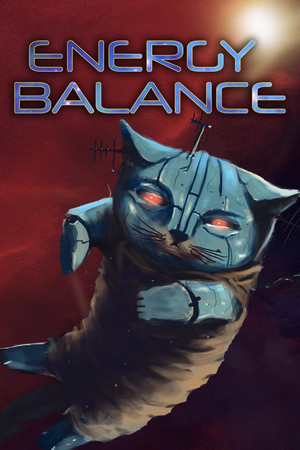

Energy Invasion
Breakout with a twin-stick shooter grafted on top: a genuinely odd idea that lands somewhere between charming experiment and clunky execution, best absorbed in short sessions.
GamerScout Verdict
A flawed but genuinely unusual arcade experiment worth a session for brick-breaker fans, provided you can tolerate unpredictable controls and a cluttered screen.
Compare Prices(4 stores)
Every store in this table quotes us in euros, so the EUR figure is the price the seller actually set, not our arithmetic — which is why EUR is also the currency we rank in. We only list an offer here when the store gives us its price in euros, so nothing in this table is a number we invented.
Pick USD, PLN, GBP, CAD or AUD in the header and we convert from EUR at the European Central Bank reference rate — converted amounts are prefixed with ~. Your bank or the store may apply a different rate at checkout. We never hide offers based on where you are: everyone sees this whole table.
We may earn a commission when you buy games through links on this page — at no extra cost to you. It never affects our rankings or verdicts.
Price History
Screenshots & Media
About Energy Invasion
I came to Energy Invasion hoping to find one of those quiet little arcade curios that nobody talks about but quietly earns its place on your hard drive. What I found was something more complicated: a game with a genuinely interesting premise that the execution only partially honours. The core twist is real and worth understanding before you dismiss it. Your paddle keeps the ball alive as in any Breakout descendant, but the ball itself cannot destroy a single block. To actually clear the field you use the right stick to fire missiles outward from the ball in whatever direction you aim, chipping away at blocks that can take multiple hits to fall. It is Breakout crossed with a twin-stick shooter, and on paper that sounds like a quiet revelation. In practice, the twin-stick mechanic lands unevenly. The missile firing rate is out of your direct control, and you cannot meaningfully predict when the next shot will leave the ball, which turns what should feel like precise aiming into something more like anxious flicking. Blocks are small, the screen fills quickly with visual noise, and the psychedelic backdrop effects, while atmospheric in still screenshots, actively compete with the gameplay for your attention. The three modes give the package some shape: Linear runs 25 stages where the block formations descend toward your paddle if you stall, Invasion adds enemy energy balls that fire back at you and demand split attention between offence and survival, and Endless drops all pretence of structure and just keeps generating screens until you collapse. Invasion mode in particular has a scrappy, chaotic energy that mildly recalls the tension of old Space Invaders, even if the execution never quite earns that comparison cleanly. The power-up system is where the game loses me most. Bonuses, both helpful and harmful, trigger invisibly from certain blocks with no clear visual signal, so you spend time wondering why your paddle suddenly doubled in size or why your shots just froze. There is something philosophically interesting about hidden power-up logic, but in a game that already asks you to track a bouncing ball, aimed missiles, incoming enemy fire, and a cluttered backdrop simultaneously, the opacity tips from mysterious into frustrating. The score exists but is only visible on the pause screen or at game over, which strips away the one motivator that keeps pure arcade loops compelling. Nick R 61's soundtrack is the piece of this that genuinely works without reservation. Nineteen tracks of glitchy, propulsive electronic music give the game a mood that its visuals keep promising but not quite delivering. At its best, the music makes the whole pulsing screen feel intentional rather than accidental, like you wandered into a small club at 2am where something interesting is happening. That atmosphere is real, and I do not want to dismiss it. But a good soundtrack cannot substitute for missile controls that respond predictably, or level layouts that develop visual identity across 25 stages rather than cycling the same aesthetic from start to finish. If you are an achievement collector, the progression structure and unlimited continues make the full run very accessible in a sitting or two. If you are here for the feel of tight arcade play, the gap between the concept and its current form will sting more than the enemy balls.

Indie & narrative
Tags
System Requirements
Minimum
- OS
- XP
- Memory
- 1024 MB RAM
- DirectX
- Version 9.0
- Storage
- 500 MB available space
- Graphics
- 512MB Dedicated Memory
- Processor
- 2.4 Ghz Dual Core CPU
- Sound Card
- DirectX® Compatible
Recommended
- OS
- 10
- Memory
- 1024 MB RAM
- DirectX
- Version 9.0
- Storage
- 500 MB available space
- Graphics
- 512MB Dedicated Memory
- Processor
- 3.0 Ghz Quad Core CPU or faster
- Sound Card
- DirectX® Compatible
Keep exploring
Community Discussion
Be the first to comment on Energy Invasion.
Reviews & Ratings
No ratings available
Game Info
- Developer
- Sometimes You
- Publisher
- Sometimes You
- Release Date
- Jan 10, 2018