
Dream Tale
A four-world casual platformer built on a student prototype from Utrecht University. Worth considering only if you want a gentle, low-stakes hour or two with a female protagonist chasing a lost dog.
GamerScout Verdict
Best for young players or casual fans who want a breezy 3-4 hour platformer with no real difficulty curve to speak of.
Compare Prices(6 stores)
Every store in this table quotes us in euros, so the EUR figure is the price the seller actually set, not our arithmetic — which is why EUR is also the currency we rank in. We only list an offer here when the store gives us its price in euros, so nothing in this table is a number we invented.
Pick USD, PLN, GBP, CAD or AUD in the header and we convert from EUR at the European Central Bank reference rate — converted amounts are prefixed with ~. Your bank or the store may apply a different rate at checkout. We never hide offers based on where you are: everyone sees this whole table.
We may earn a commission when you buy games through links on this page — at no extra cost to you. It never affects our rankings or verdicts.
Price History
Screenshots & Media
About Dream Tale
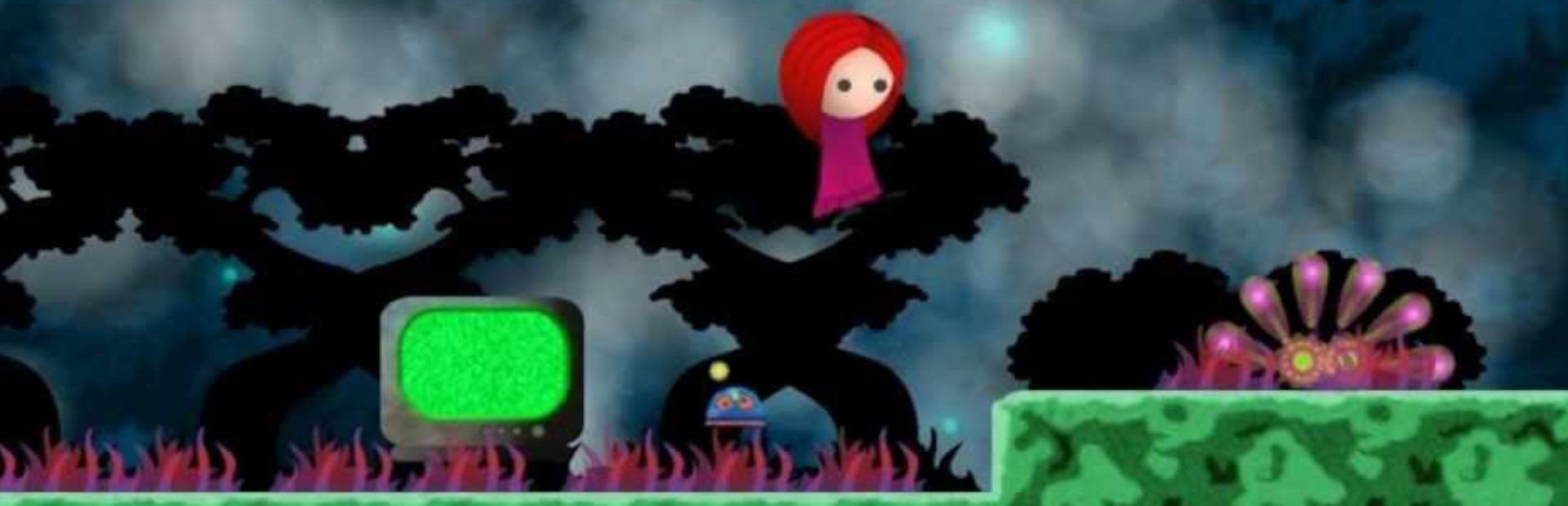
I went into Dream Tale knowing almost nothing about it, which is exactly how a game this small deserves to be discovered. Green Lava Studios is a Costa Rican studio whose founder, Eduardo Ramirez, built the original prototype while studying game design in the Netherlands, then expanded it into a commercial release. That origin story, a university exercise stretched into a finished product, tells you a lot about what you are actually getting: something earnest, constrained, and sincere in its ambitions even when it falls short of them. The structure is simple. You play as Julia, crossing four distinct magical worlds to recover her missing dog, Fifo. Across roughly twenty levels you collect golden keys, one hidden per stage, while using star-granted powers to sidestep poisonous creatures placed around the environment. There are also six secret jigsaw puzzle pieces to hunt and a hidden mini-game tucked somewhere in the experience. On paper that sounds like a fair chunk of collectible content for a casual platformer. In practice, the level count is generous but the individual stages pass quickly, and most players appear to clear the whole thing in around four hours. The key-collection mechanic has one friction point worth knowing: reaching a checkpoint does not preserve a key you have already found, so you need to complete the level and carry the key to the exit in the same run. Where Dream Tale sits uncomfortably is in the gap between its puzzle framing and its execution. The game leans on reflex-based segments to add challenge to what are otherwise very easy spatial puzzles, and those two design instincts do not always pull in the same direction. Players who come expecting the measured logic of a pure puzzle platformer may find the sudden timing demands jarring. Players who come expecting a brisk action platformer may find the pacing too soft. The music, from what coverage exists, registers more as ambient background fill than as a crafted soundscape, which is a missed opportunity given how much a small game like this could lean on atmosphere to compensate for its modest scope. Steam users have been broadly forgiving, with the majority of the small review pool landing positive, and the audience most likely to enjoy it is clear: younger players, parents looking for something calm and non-threatening, or anyone who just wants a short, low-friction afternoon with a cheerful platformer that does not demand much. For experienced platformer players the challenge ceiling will feel low from the first world onward, and there is not enough mechanical layering to keep a seasoned player invested through all four. The origin-story charm is real, but charm alone cannot extend the legs of content that runs out before it has time to surprise you.

Indie & narrative
Tags
System Requirements
Minimum
- OS
- Windows XP / Vista / 7 / 8
- Memory
- 512 MB RAM
- DirectX
- Version 9.0c
- Storage
- 70 MB available space
- Graphics
- At least 32MB of video memory
- Processor
- 1.2GHz or faster
- Sound Card
- DirectX compatible sound card
Keep exploring
Community Discussion
Be the first to comment on Dream Tale.
Reviews & Ratings
No ratings available
Game Info
- Developer
- Green Lava Studios
- Publisher
- Strategy First
- Release Date
- Dec 16, 2014