DreadHaunt
Dead by Daylight meets Among Us by way of Indonesian folklore, but with a player count thin enough that you might be waiting a while to fill a lobby. Bring friends or stay home.
GamerScout Verdict
Worth it only if you have a committed group of three or more; solo queue into a thin playerbase makes the deception premise collapse fast.
Compare Prices(6 stores)
Every store in this table quotes us in euros, so the EUR figure is the price the seller actually set, not our arithmetic — which is why EUR is also the currency we rank in. We only list an offer here when the store gives us its price in euros, so nothing in this table is a number we invented.
Pick USD, PLN, GBP, CAD or AUD in the header and we convert from EUR at the European Central Bank reference rate — converted amounts are prefixed with ~. Your bank or the store may apply a different rate at checkout. We never hide offers based on where you are: everyone sees this whole table.
We may earn a commission when you buy games through links on this page — at no extra cost to you. It never affects our rankings or verdicts.
Price History
Screenshots & Media
About DreadHaunt
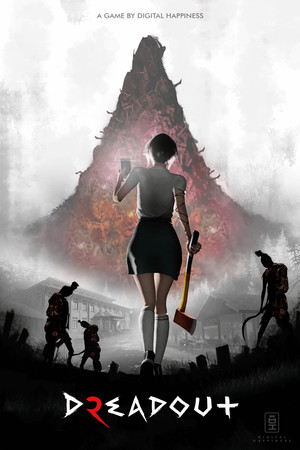
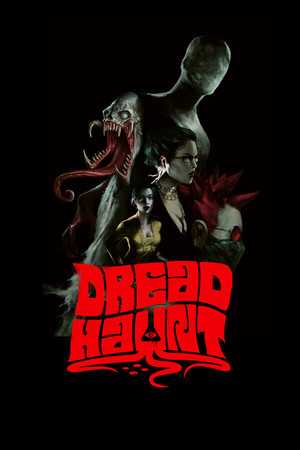
I went into DreadHaunt expecting Digital Happiness to carry over the atmosphere that made the DreadOut series work on a shoestring budget. The studio has genuine horror DNA and a knack for leaning into Indonesian-Asian ghost mythology that most Western asymmetric horror titles simply cannot replicate. What I found is a game with three distinct modes, a card-based modifier system, and a social deduction core that draws an obvious line to both Dead by Daylight and Among Us but refuses to be a direct clone of either. That is both its selling point and its most frustrating problem. The structure goes like this: you and up to four other agents play Class E containment personnel dropped onto a forsaken island off Jakarta's northern coast to locate and secure cursed objects. One player, unknown to the group, has been possessed and will eventually transform into a ghost, armed with a unique skill set designed to hunt down the survivors. The Ghost Hunting mode runs as a first-person co-op PvE loop, while the Deception Mode shifts to third-person social deduction where reading your teammates is half the game. There is also an Assault Mode added post-launch that pushes things closer to a wave-survival format, and a single-player story campaign for anyone who wants lore context before jumping online. The card-based modifier system is a smart wrinkle, letting players tweak stats, weather conditions, and ghost spawn behaviour before a match, which at least gives sessions some variance round-to-round. Here is where I have to be straight with you. The moment-to-moment loop for the agent side is thin. You are largely hunting cursed items across a wide map and disposing of them at the right spots. Early feedback from the community called out the cooperative actions as underdeveloped, and that criticism still holds some weight after launch. The possessed player can mess with agents using their ghost abilities, but reviewers noted it often felt like a minor inconvenience rather than a genuine threat unless the geometry favoured the ghost. The tension spikes when a possession is revealed and the ghost corners someone, but the stretches between those moments can drag. Map size amplifies the problem: agents can spend long stretches wandering without meaningful interaction, which bleeds the horror atmosphere dry faster than it should. The tools themselves are a genuine bright spot. Retro ghost-hunting equipment mixed with amulet-infused local gear gives the loadout flavour you do not get from the competition. The movement feels competent and noticeably less janky than what you would find in comparable low-budget asymmetric titles. Cross-play with console is live, which matters a lot for a game at this player count. Steam review data sits at mixed, and the lobby-fill problem is real. You need a minimum of three players to start a Deception Mode match, which means without a pre-made group, you are at the mercy of whatever population is online at that hour. For a game whose entire tension model depends on not knowing who is possessed, a half-full lobby kills the premise immediately. DreadHaunt is an interesting project from a studio that clearly loves the genre and has a unique cultural angle worth supporting. If you have two or three friends who will commit to a regular session and enjoy the social deduction format, there is a functional and occasionally tense horror multiplayer game hiding in here. Solo queue into randoms right now is a roll of the dice on whether a lobby fills, whether the trust mechanics land, and whether anyone on your team knows what they are doing. The card modifiers and the expanding mode roster show a developer with a plan, but the current player base is not yet big enough to make that plan feel stable.
Shooters
Tags
System Requirements
Minimum
- OS
- Windows 10 64-bit Operating System
- Memory
- 8 GB RAM
- DirectX
- Version 11
- Network
- Broadband Internet connection
- Storage
- 15 GB available space
- Graphics
- Geforce GTX 960 or AMD equivalent with at least 4 GB of VRAM
- Processor
- Requires a 64-bit processor and operating system
- Sound Card
- DX11 compatible
Recommended
- OS
- Windows 10 64-bit Operating System
- Memory
- 16 GB RAM
- DirectX
- Version 12
- Network
- Broadband Internet connection
- Storage
- 15 GB available space
- Graphics
- Nvidia GTX 1060 or AMD Radeon 570 with at least 6GB of VRAM
- Processor
- Requires a 64-bit processor and operating system
- Sound Card
- DX11 compatible
DLC & Add-ons for DreadHaunt1
Expansions, DLC packs and add-on content for this game. Click any item to see store offers.
Keep exploring
Community Discussion
Be the first to comment on DreadHaunt.
Reviews & Ratings
No ratings available
Game Info
- Developer
- Digital Happiness
- Publisher
- Digital Happiness
- Release Date
- Sep 23, 2024