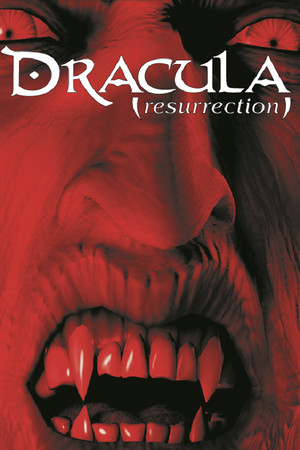
Dracula: The Resurrection
A brisk, gothic point-and-click that looks better than it plays, worth a few atmospheric evenings if you want Bram Stoker fan fiction and light puzzles, not a serious brain workout.
GamerScout Verdict
Best for casual adventure fans who want gothic atmosphere and a light puzzle stroll through Transylvania, not a puzzler's challenge.
Compare Prices(9 stores)
Every store in this table quotes us in euros, so the EUR figure is the price the seller actually set, not our arithmetic — which is why EUR is also the currency we rank in. We only list an offer here when the store gives us its price in euros, so nothing in this table is a number we invented.
Pick USD, PLN, GBP, CAD or AUD in the header and we convert from EUR at the European Central Bank reference rate — converted amounts are prefixed with ~. Your bank or the store may apply a different rate at checkout. We never hide offers based on where you are: everyone sees this whole table.
We may earn a commission when you buy games through links on this page — at no extra cost to you. It never affects our rankings or verdicts.
Price History
Screenshots & Media
About Dracula: The Resurrection
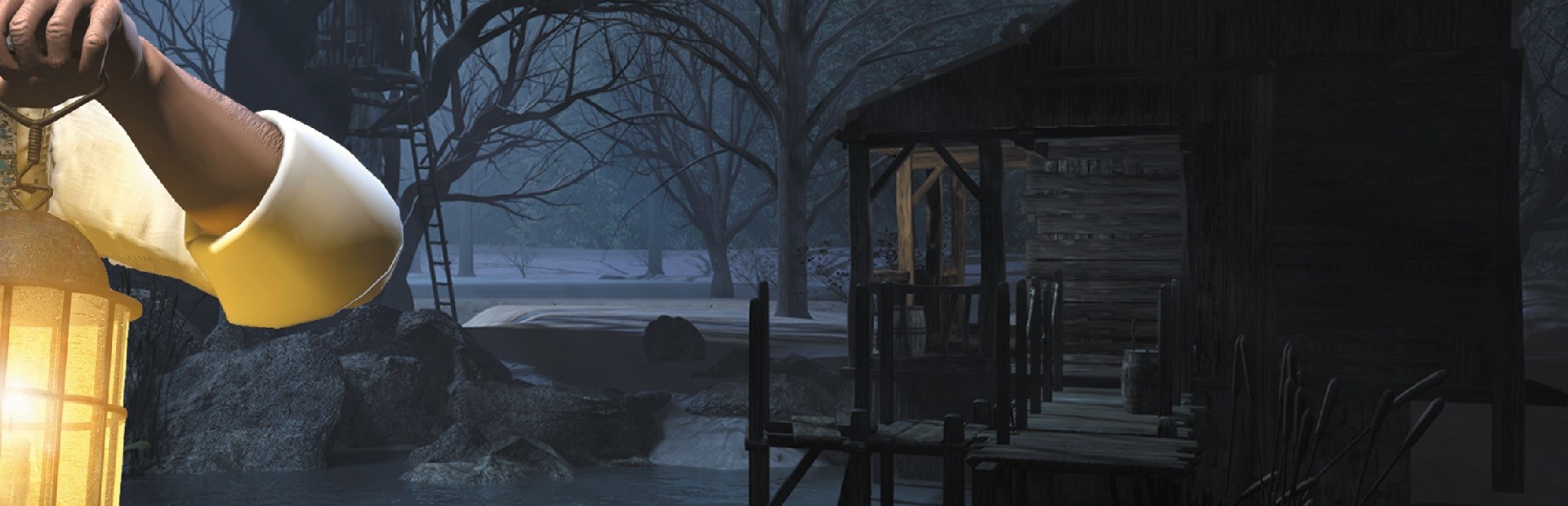
My first impression of Dracula: The Resurrection was that someone spent most of the budget on presentation and crossed their fingers that atmosphere alone would carry the rest. The short answer is: it mostly does, up to a point. This is a first-person point-and-click adventure in the vein of Myst, set across a handful of pre-rendered locations, a snowbound inn at Borgo Pass, an underground mine, a rail system, and eventually Dracula's castle itself. You play as Jonathan Harker, seven years on from the events of Bram Stoker's novel, tracking down his wife Mina who has been drawn back to Transylvania against her will. The setup is genuinely good pulp horror material, and the FMV cutscenes that punctuate the story are the game's clear highlight: expressive character models, committed performances in spite of some melodrama, and a visual quality that impressed at launch and still has enough craft to it today. The problem is the gap between that cinematic shell and what you actually spend your time doing. Puzzles are gentle by design, the cursor changes shape to signal interactable objects, there is no way to die, and the linear structure funnels you from one area to the next so efficiently that backtracking is almost never an issue. The Dragon Ring, a recurring inventory item that unlocks mechanisms throughout the game, does the heavy lifting for a large chunk of the puzzle work. Early sections are forgiving to the point of feeling like a guided tour, and only the later castle sequences demand any real lateral thinking, including a clever astrology puzzle that uses a reflective globe to reveal a hidden solution. If you try every inventory item on every object in sight, you will solve most of the game without engaging your brain at all. That is the honest reality here, and genre veterans will feel it. Navigation compounds things. Moving between scenes relies on clicking precise screen positions that are not always intuitive, and some wider areas, the castle library in particular, require you to drag your cursor across large surfaces hunting for the one interactive spot. It is not a dealbreaker, but it does slow the pacing in ways the game can ill afford given its short runtime. Veterans can see credits in eight to ten hours; newer players might stretch it to a weekend. Either way, Dracula himself is largely absent from the action, appearing only briefly before departing for London, which means the sequel carries the actual showdown. What you get here is a prologue dressed as a full game. Where it genuinely earns respect is mood. The cemetery under a full moon, the creaking inn interiors, the dark corridors of the castle, the art direction is committed and the audio design, ambient fires and distant floorboards, builds a consistent sense of unease even if it never tips into genuine dread. The voice acting is uneven, as is common in translated European adventures of this era, but the earnestness in the performances lands more often than it fails. If you approach this as a breezy, story-driven walk through gothic Transylvania with some light inventory puzzling along the way, it delivers exactly that. If you want the puzzle density of a classic Sierra or LucasArts title, you will be done and underwhelmed long before the credits roll. It also sits in a Dracula series of five games, so first-timers should know going in that this one ends on a cliffhanger.
Catch-all
Tags
System Requirements
Minimum
- OS
- Windows® XP/Vista/7/8
- Memory
- 1 GB RAM
- DirectX
- Version 9.0c
- Storage
- 1 GB available space
- Graphics
- GeForce 6800 GT or Radeon 1800XT
- Processor
- 3 GHz
Keep exploring
Community Discussion
Be the first to comment on Dracula: The Resurrection.
Reviews & Ratings
Game Info
- Developer
- Microids
- Publisher
- Microids
- Release Date
- Apr 17, 2014