Doorways: The Underworld
Atmosphere it has. A reason to keep walking those dark corridors, it mostly doesn't. Worth knowing before you open this particular door.
GamerScout Verdict
For die-hard no-combat horror fans only - the Flashback mechanic hints at something better, but repetition wins out before it gets there.
Compare Prices(6 stores)
Every store in this table quotes us in euros, so the EUR figure is the price the seller actually set, not our arithmetic — which is why EUR is also the currency we rank in. We only list an offer here when the store gives us its price in euros, so nothing in this table is a number we invented.
Pick USD, PLN, GBP, CAD or AUD in the header and we convert from EUR at the European Central Bank reference rate — converted amounts are prefixed with ~. Your bank or the store may apply a different rate at checkout. We never hide offers based on where you are: everyone sees this whole table.
We may earn a commission when you buy games through links on this page — at no extra cost to you. It never affects our rankings or verdicts.
Price History
Screenshots & Media
About Doorways: The Underworld
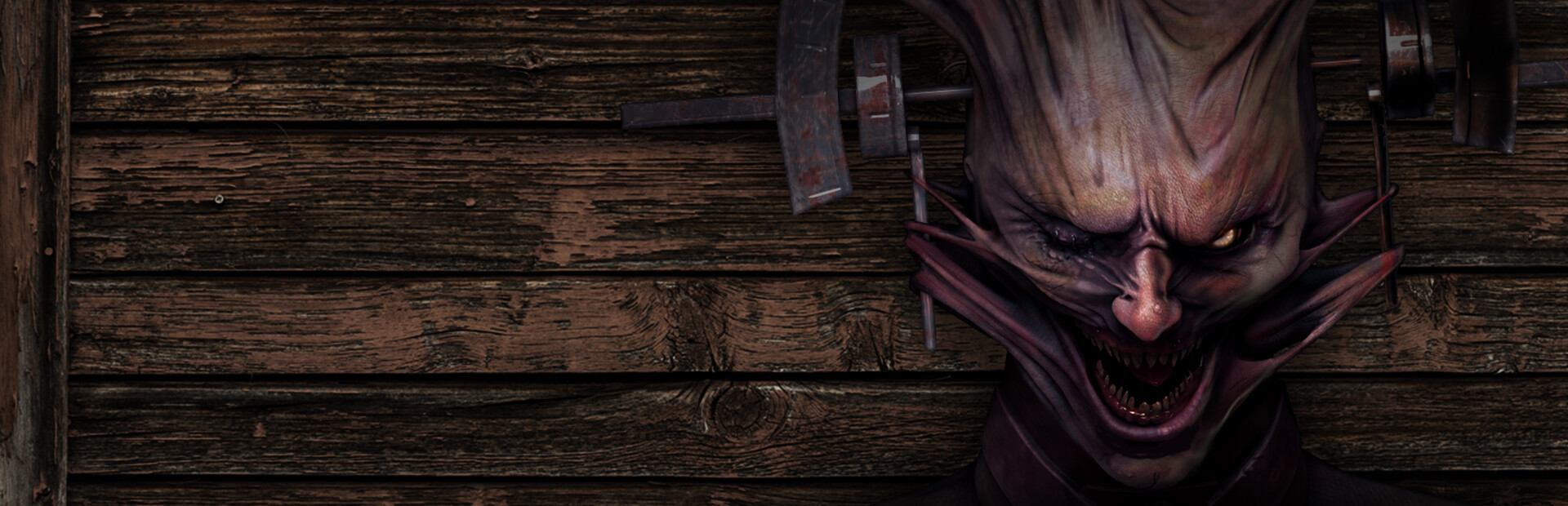
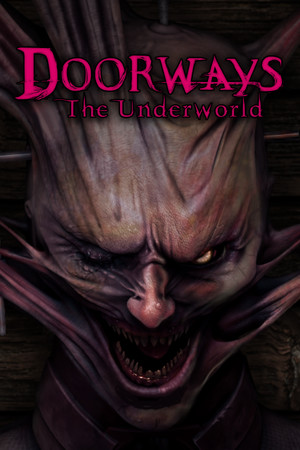
My first few minutes in Doorways: The Underworld were genuinely unsettling. The ambient low hum, the dripping sewer geometry, the sense that something awful had been done in these rooms long before you arrived. Saibot Studios, a small Argentine team, clearly cares about mood, and for a brief window that mood lands. Then the cracks start to show and they keep widening. This is the third chapter in the episodic Doorways series, playable as a standalone, though context from the earlier parts helps. You are Thomas Foster, a special agent who can enter the minds of killers, this time hunting a deranged doctor through mines, sewers, and underground corridors. The story is doled out almost entirely through scattered lore notes, and while those notes are well-written fragments of body horror and institutional cruelty, they float disconnected from Thomas himself, who remains a cipher throughout. The voice performance, provided by the same actor who voiced Alexander in Amnesia: The Dark Descent, is competent but directed into a strange flatness that reviewers noted at launch. Gameplay sits in the no-combat hide-and-seek mould that Amnesia and Outlast made popular. There are no weapons. Enemies, grotesque amalgamations of corpses and medical equipment, patrol each level and must be fled or hidden from. In their best moments these chase sequences produce real panic. The problem is repetition. The core loop is almost always the same: collect a valve or handle, carry it across the level, open the next door, collect another valve, repeat. Each section introduces roughly one enemy per zone, and because their patrol patterns are scripted and predictable, the initial terror deflates quickly. The hiding spots are oddly immune to scrutiny too, with creatures pacing for a moment then wandering off even if they spotted you duck inside. The one genuinely interesting idea is the Flashback mechanic, introduced late in the game. It lets you hold a pocket watch to briefly slip into a past version of the world, revealing hidden switches, opening blocked routes, and crucially, summoning a different kind of threat that can harm you while you are in that vision state. The tension this creates in the final section, where you must activate levers only visible during Flashback while remaining exposed to attack, is the sharpest the game ever feels. The tragedy is that it arrives so late and is used so sparingly that it reads more like a proof of concept than a finished system. The whole game feels like that: promising concepts introduced and then thinned out by repetitive fetch structures before they can breathe. For players who genuinely love the sensory side of indie horror and can forgive lightweight mechanics, there is something here. The soundscape, a persistent ambient hum layered with distant growls and water sounds, does solid work. The claustrophobic sewer and dungeon environments have a grimy coherence. But compared to the genre benchmarks this game echoes, the atmosphere alone cannot carry two to four hours of corridor traversal. Steam user sentiment sits around 65 percent positive, which feels about right: a mixed response from a community divided between those who found its fleeting scares worthwhile and those who found the padding too thin to excuse.

Indie & narrative
Tags
System Requirements
Minimum
- OS
- Windows XP, Windows Vista, Windows 7, Windows 8
- Memory
- 2 GB RAM
- DirectX
- Version 9.0
- Storage
- 2 GB available space
- Graphics
- NVIDIA 6800, ATI 1950
- Processor
- Dual core CPU @ 2GHz (Pentium D or better)
- Sound Card
- 100% DirectX 9.0c compatible Audio Device
Keep exploring
Community Discussion
Be the first to comment on Doorways: The Underworld.
Reviews & Ratings
No ratings available
Game Info
- Developer
- Saibot Studios
- Publisher
- Saibot Studios
- Release Date
- Sep 17, 2014